
Last updated November 23, 2026
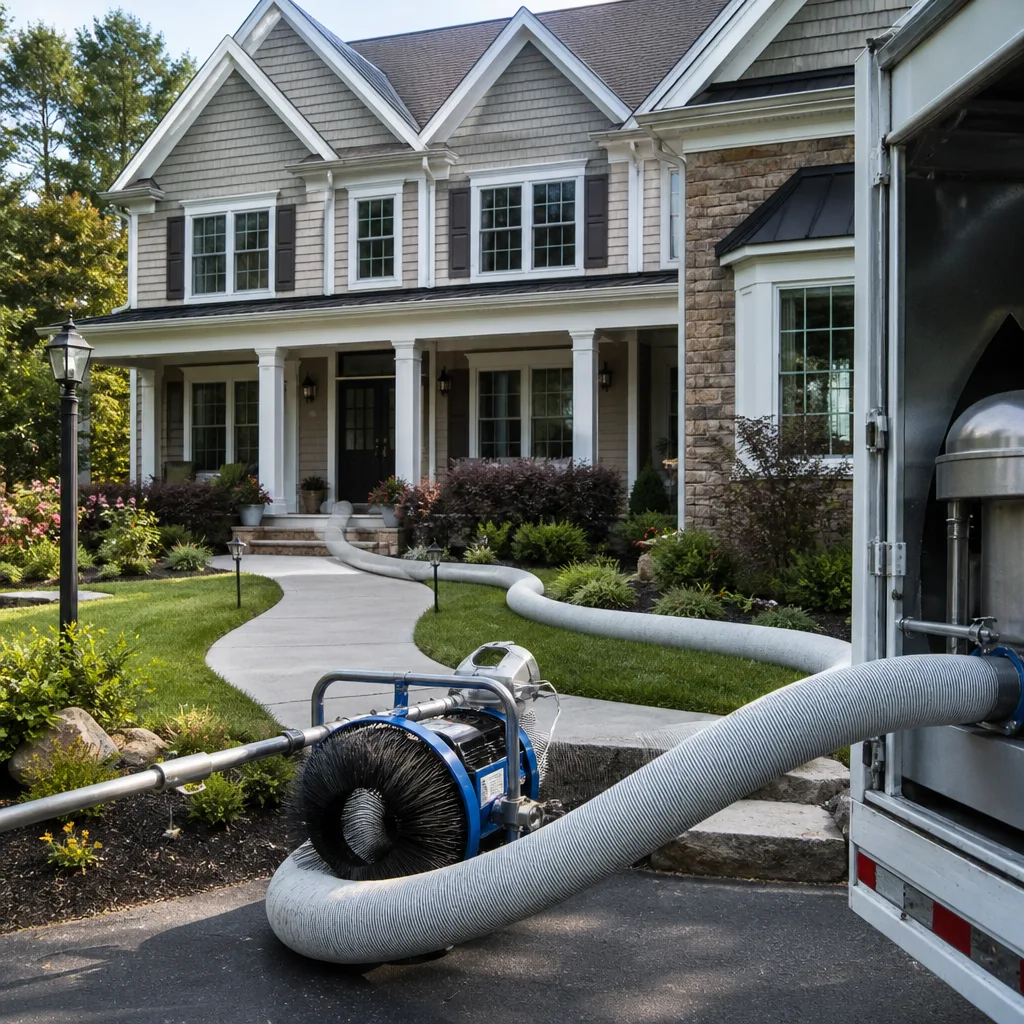 Whole-home duct cleaning
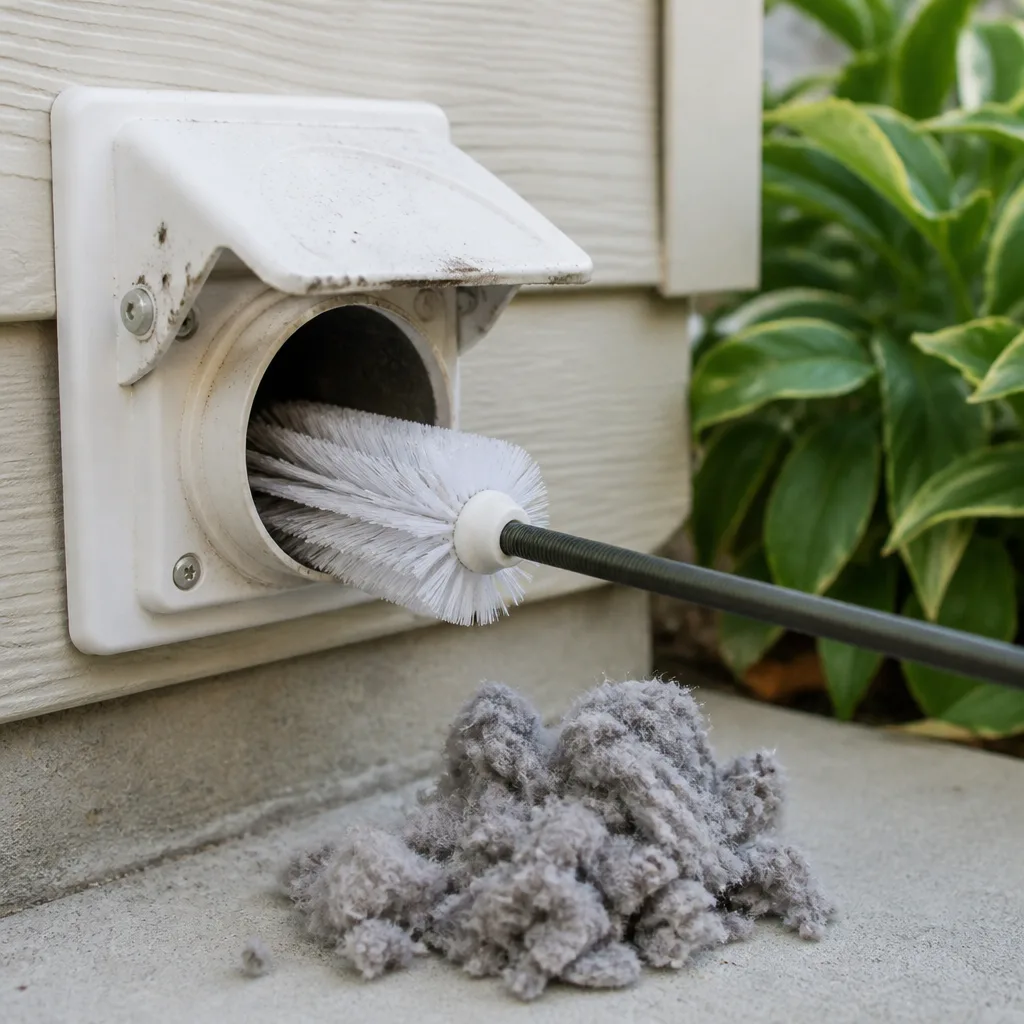 Dryer vent cleaning
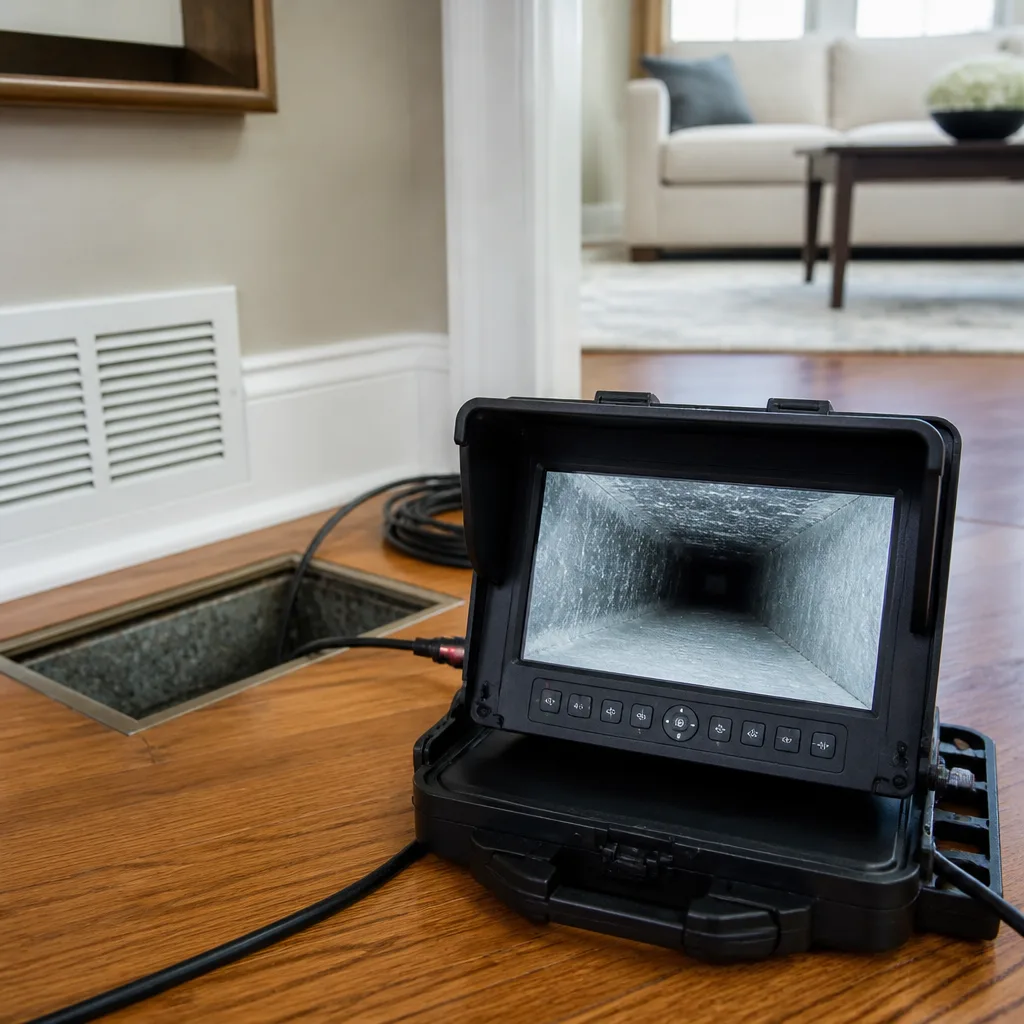 Camera inspection
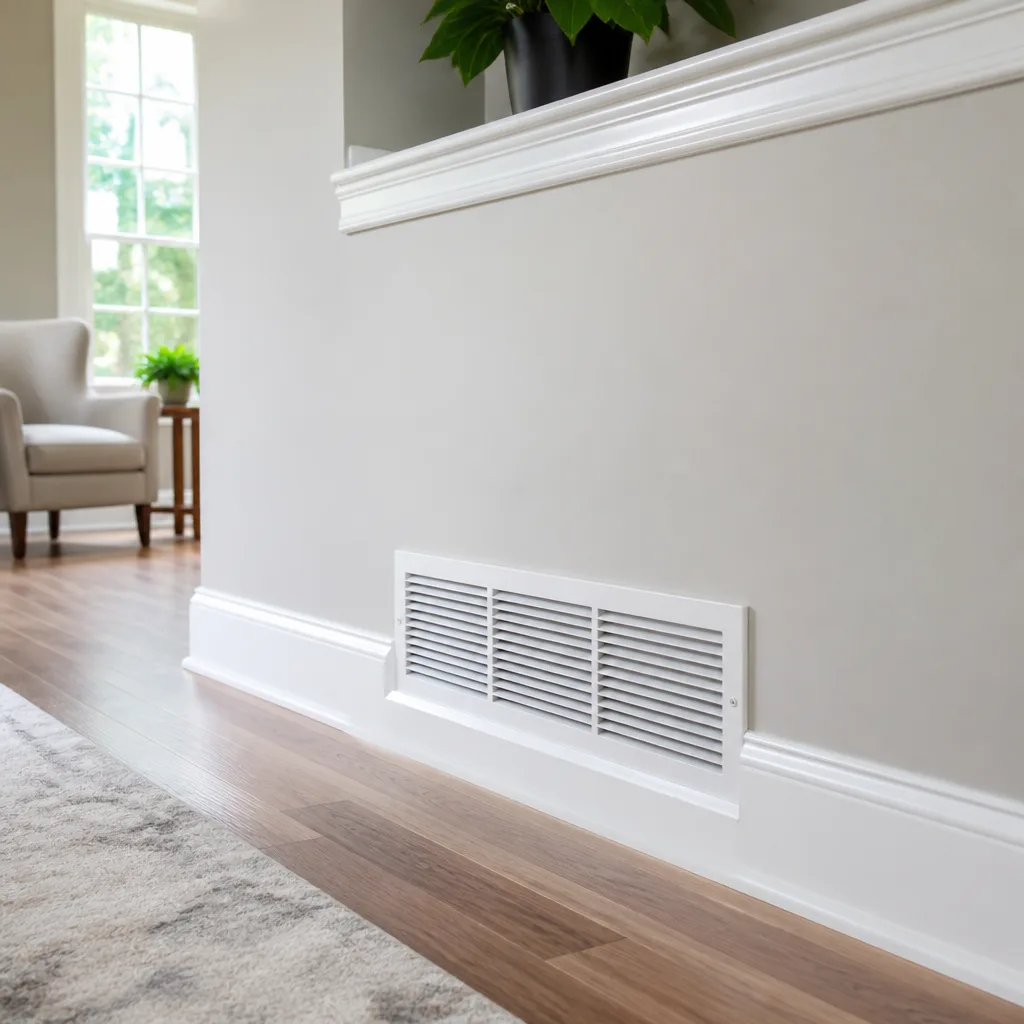 Sanitizing & deodorizing
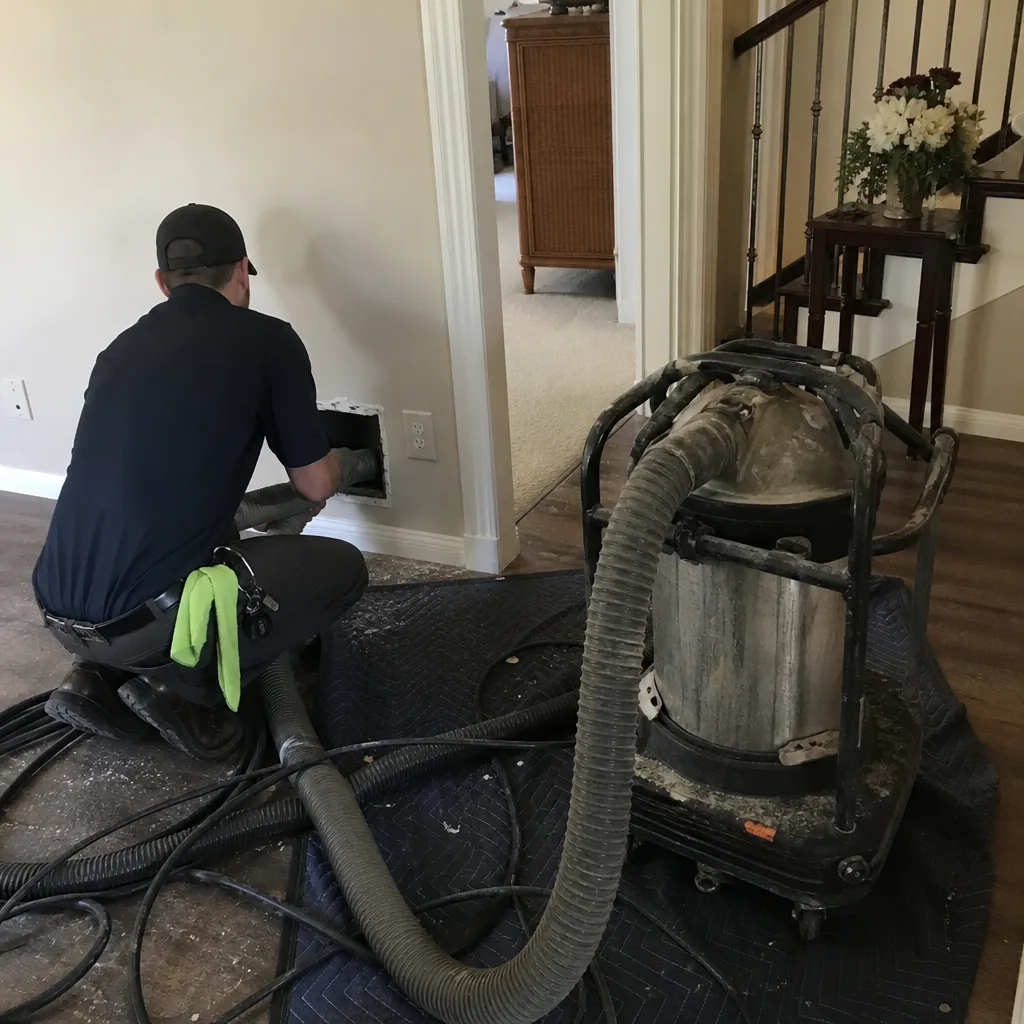
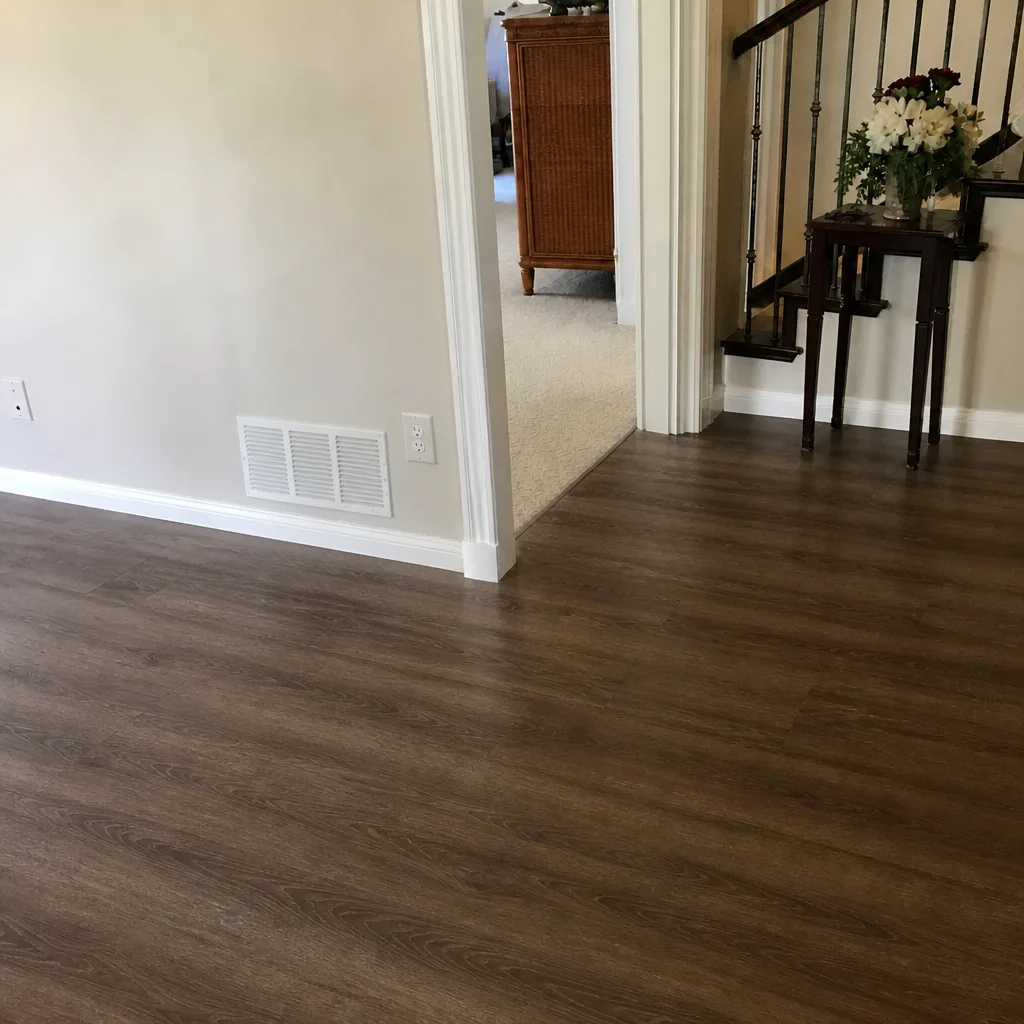
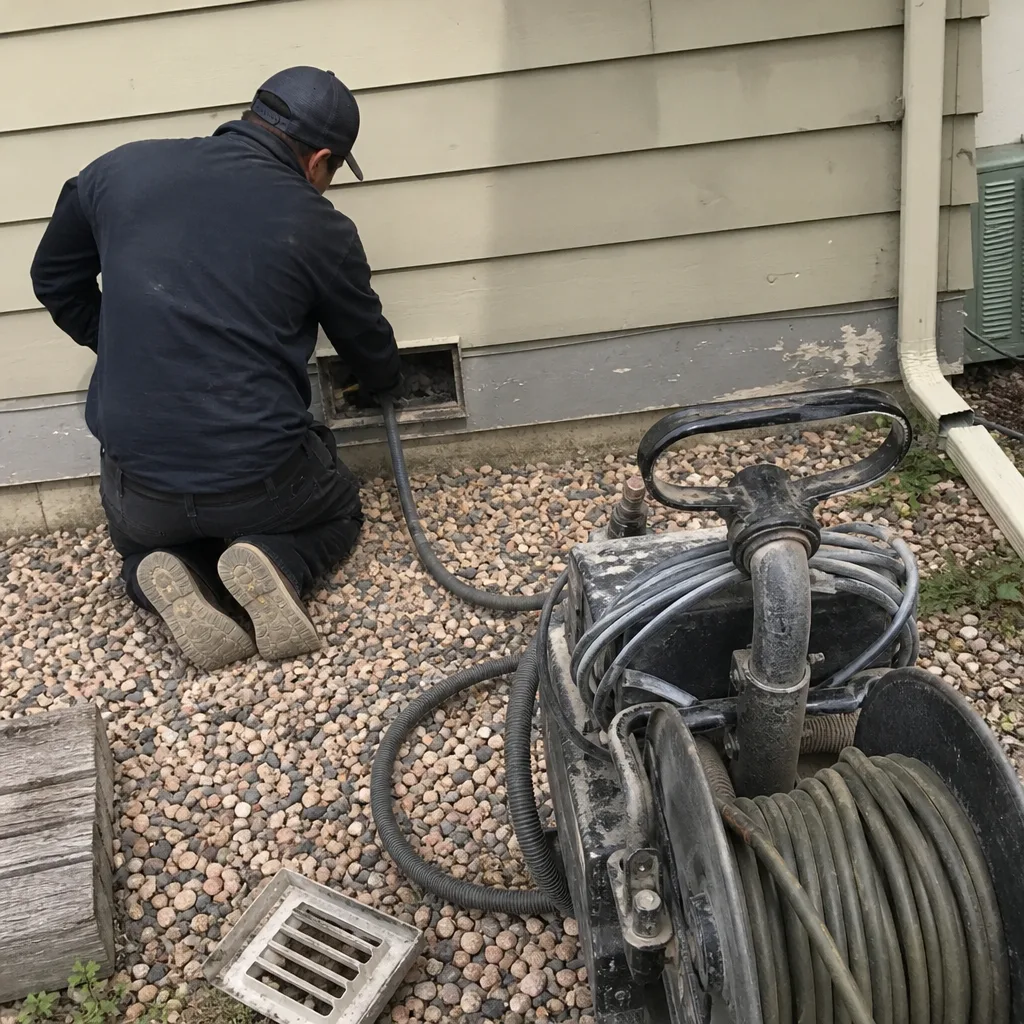
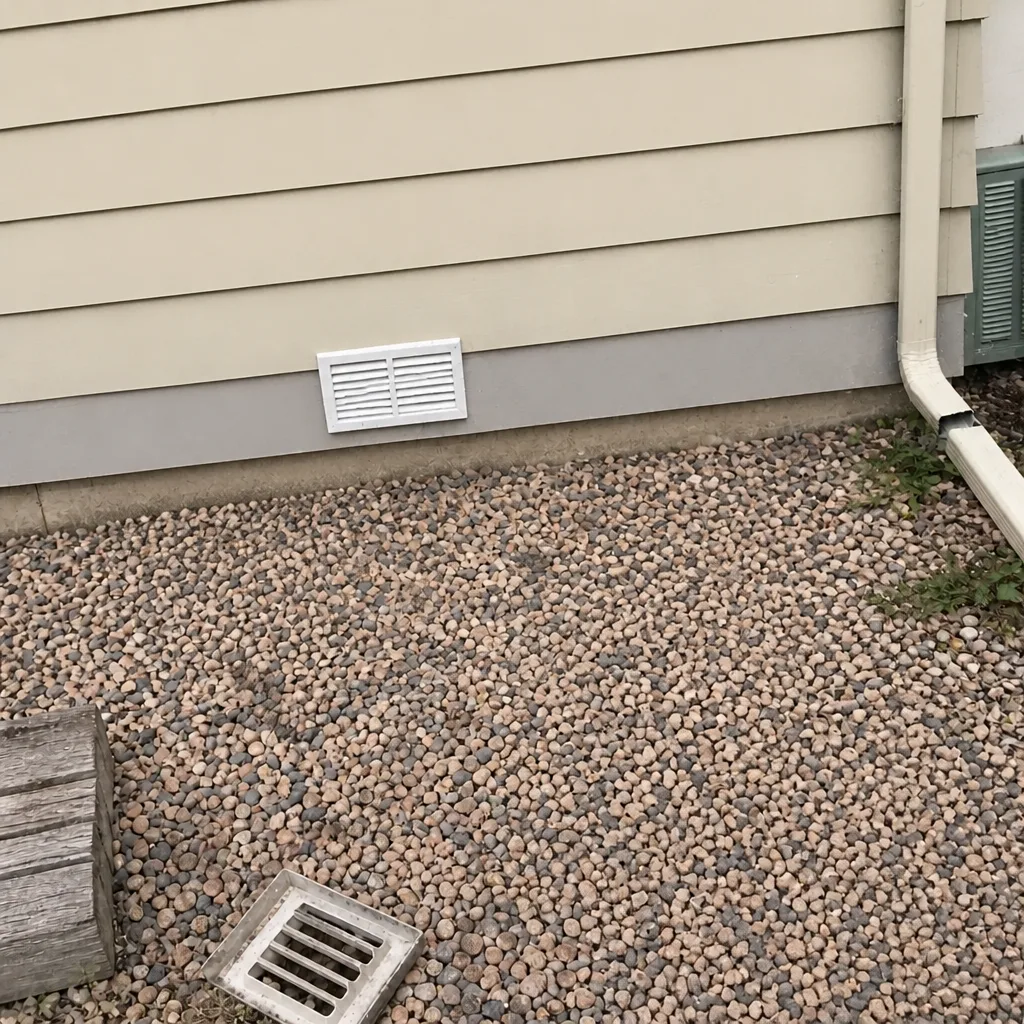
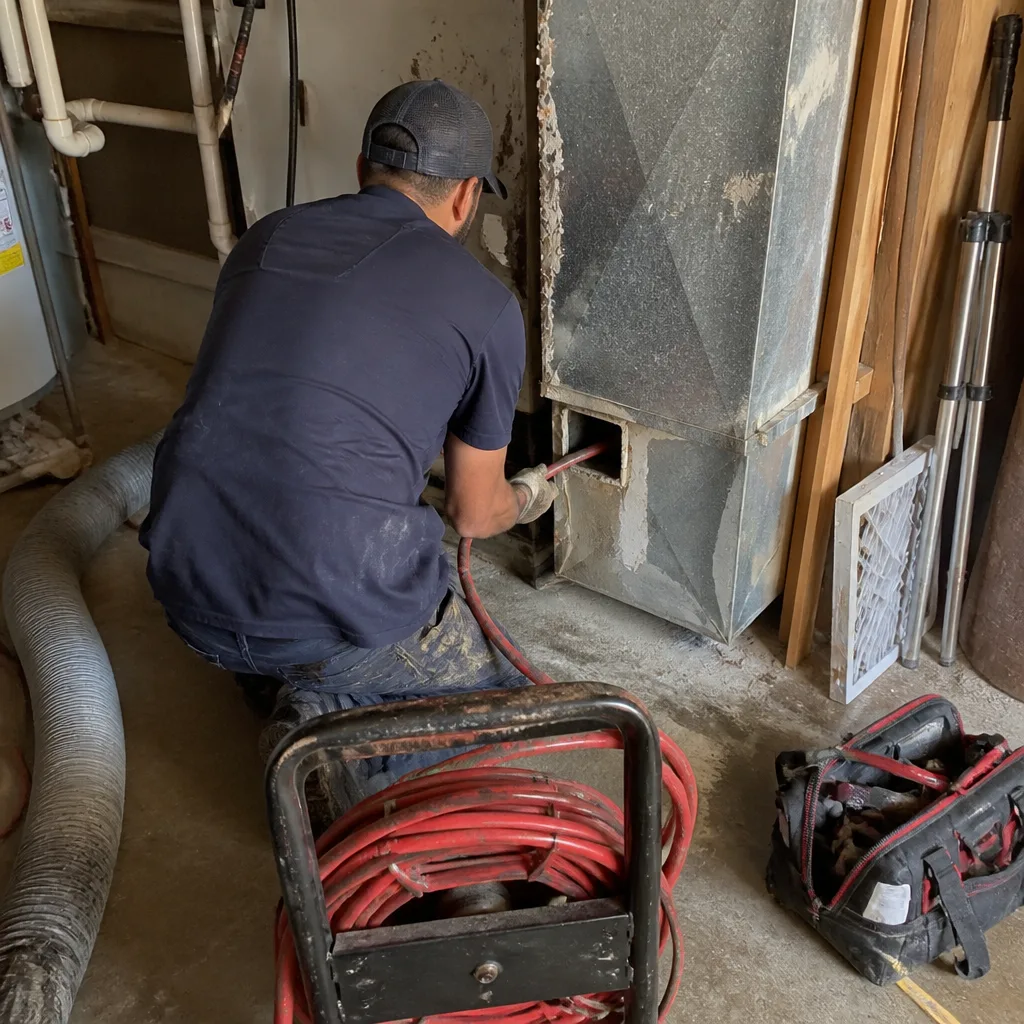
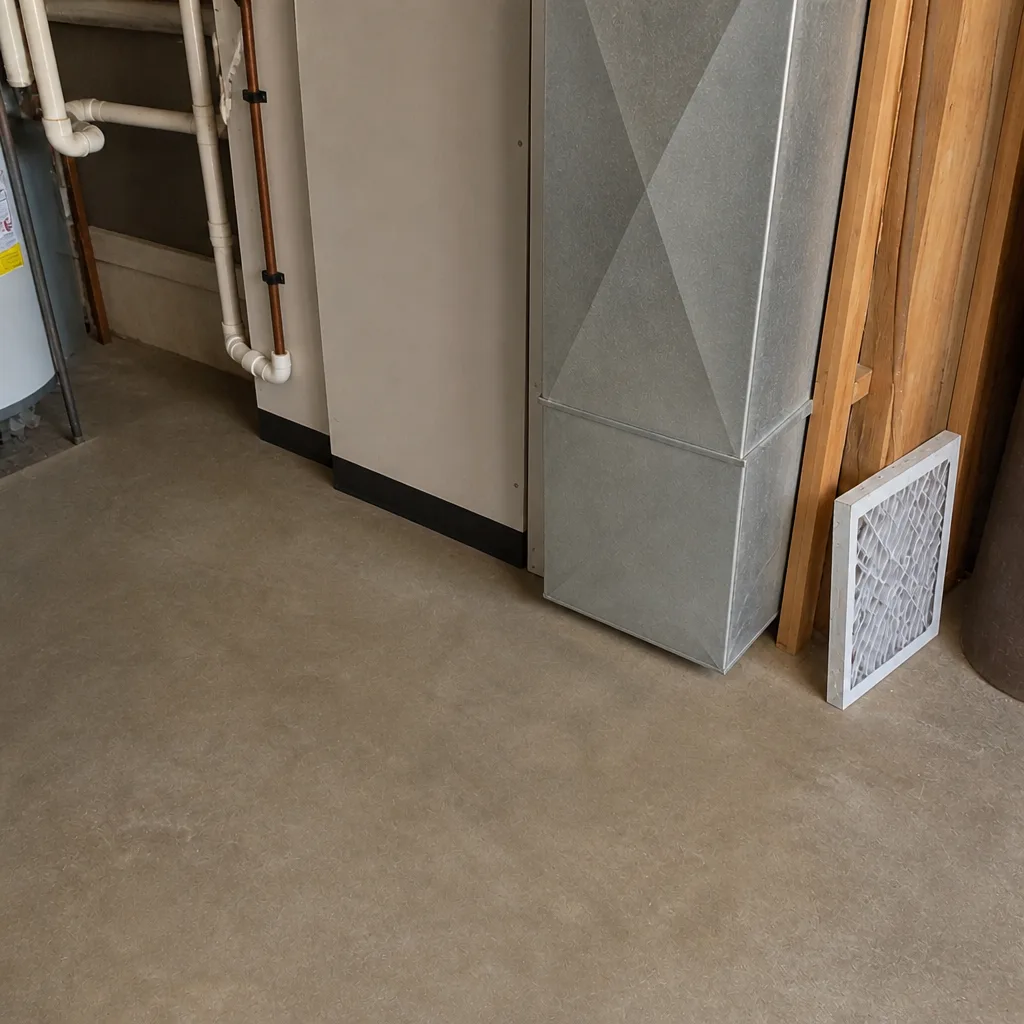
Whole-system duct and dryer vent check with before-and-after photos - you see exactly what came out of your vents
That "$99 whole-house special" is a bait ad - the real number appears once they are in your hallway, or the "clean" is a shop-vac at the register. We photograph the inside of your ducts before and after instead.
DIY vs Professional Air Duct Cleaning: The Arvada Homeowner’s Decision Guide
Picture the duct cleaning kit on the shelf at the hardware store: a flexible brush, a shop-vac adapter, and a price tag under forty dollars. It feels like a reasonable way to handle a dusty house. Here’s the part those kits don’t explain. That kit can reach roughly the first eighteen inches of a supply run, which is about four percent of the total duct surface in a typical Arvada ranch home. The other ninety-six percent needs a machine and a method built for the job. This guide maps exactly where DIY genuinely helps, where it can make things worse, and how to tell the difference before you spend a weekend on a ladder.
Quick Answer
DIY air duct cleaning helps with surface jobs like washing grilles and registers or upgrading the return filter, but it can’t extract debris from deep duct runs the way professional equipment does, because consumer vacuums can’t hold negative pressure through the whole system. For a home with musty odors, visible dust at the vents, or a system that has gone years without service, professional cleaning with HEPA source-removal equipment is the right call. Arvada Air Duct Cleaning Pros offers free estimates in Arvada, and we can tell you honestly which side of the line your home is on.
Table of Contents
- Why DIY Kits Struggle: The Physics of Dust in a Duct
- What DIY Actually Does Well
- Where DIY Hits a Wall
- How DIY Attempts Can Cause Real Damage
- How to Tell If Your DIY Cleaning Made It Worse
- The Honest Cost Comparison for Arvada Homes
- What a Professional Cleaning Actually Involves
- Arvada-Specific Considerations: Climate, Housing, and Air
Why DIY Kits Struggle: The Physics of Dust in a Duct
A residential shop vac is a small, sealed unit with a short hose and a filter designed to protect the motor. It’s excellent at picking up sawdust off the floor. Inside a duct system, it has a different challenge entirely. The vacuum has to move a volume of air through a long, branching network of pipes while keeping the entire network under negative pressure, so dislodged debris flows toward the machine rather than toward the rooms.
That’s the core issue. A consumer vacuum creates a pocket of low pressure right at the nozzle. Ten feet away, pressure returns to normal, and any dust you disturbed behind the nozzle stays right where it was: in the run. Older and looser construction lets more of that dust escape at every joint, seam, and connection.
Professional equipment works differently. Portable and truck-mounted units move hundreds of cubic feet of air per minute and hold the whole system under negative pressure for the duration of the job. We run mechanical agitation with a Rotobrush to break the dust loose, and a HEPA-filtered vacuum from Abatement Technologies to capture the dislodged material at the source. Debris comes out of your home, not back into it.
Two other forces matter:
- Adhesion. Dust films don’t just sit on metal and flex duct. They bond, especially in the thicker, oilier residue that forms near kitchens and return plenums. Agitation is required to break that film, not just airflow.
- Airflow vs. suction. A brush alone dislodges dust. A HEPA unit captures it. Skip either and you’re either leaving the dust or spreading it.
That gap between a $39 kit and a $15,000 equipment setup is not a marketing ploy. It’s the reason pro cleaning exists as a distinct trade.
What DIY Actually Does Well
Plenty, as it turns out. We don’t tell every homeowner in Arvada that they need a full cleaning. If the ducts are sound and the household has been reasonably diligent, several tasks are legitimately a homeowner’s job. Here’s what we’d honestly put on the DIY list:
- Washing register and grille covers. Pop them off, run them through a sink with warm water and a mild detergent, dry thoroughly, and reinstall. Grilles catch dust on the outside constantly and cleaning them is the single most visible improvement most people notice.
- Upgrading the return air filter. Match the filter to the system. A slightly restrictive filter that the manufacturer calls for is better than an ultra-high MERV filter your blower wasn’t designed to pull against.
- Inspecting the blower compartment. With power off and the access panel open, you can look at the blower wheel and cabinet for obvious buildup. Don’t touch it; just observe.
- Cleaning around the return. Vacuum the floor and nearby surfaces frequently so less dust makes it to the return in the first place.
- Checking access panels and flex joints. Look for loose tape, sagging connections, or visible gaps. Flag them for a professional.
- Keeping the condensate line and drain pan clear if your HVAC setup includes a cooling coil.
Notice what these have in common. They’re all surface-level or inspection-only. They’re genuinely helpful, they cost almost nothing, and doing them regularly keeps your system from reaching the point where a full professional cleaning is the only option. For more on our broader service picture, see what goes into air duct cleaning here in Arvada.
Where DIY Hits a Wall
The moment the problem is inside the duct, DIY stops working. That’s not a sales line; it’s what the equipment can and can’t do. Here’s the honest list of things a consumer kit can’t accomplish:
- Reaching corners and turns. Every 90-degree elbow and takeoff is a dust trap. A short, straight brush reach can’t push around the bend or through the spider of branch runs.
- Cleaning flex duct without damage. Flex duct has a smooth liner inside a coil and an outer insulation jacket. Brush contact too stiff, or too much force, can delaminate or tear the liner. See the damage section below.
- Maintaining whole-system negative pressure. No consumer vacuum can hold negative pressure in every branch at once. The moment you open the system at one vent, air from other branches flows in.
- Cleaning the blower wheel and the evaporator coil properly. These are components of HVAC cleaning, and handling them without the right technique risks bending fins and unbalancing the wheel.
- Dryer vent cleaning. This is genuinely dangerous work. Lint packs in the vertical run and along the transition duct, and it’s the one part of the home’s exhaust system where a blockage has a real fire risk. Keep this one firmly on the professional side.
- Sanitizing with a documented application. Consumer sprays don’t give you a defined rate, contact time, or coverage you can verify. Professional sanitizing with a product like Guardsman adds a documented antimicrobial layer that basic work skips.
That’s where the gap between a first-eighteen-inches brush job and full-system work becomes obvious.
How DIY Attempts Can Cause Real Damage
We’ve had homeowners in Arvada call us after trying to clean their own ducts and finding the situation worse than when they started. That’s a real pattern, and the causes are predictable.
Flex duct liner separation
Flex duct’s inner liner is a thin plastic or foil sleeve. It’s durable under airflow but not under scraping. A stiff-bristled brush pushed through a run with too much force can catch on a joint, tear the liner, or pull it away from the coil. Once the liner separates, you’ve created a bypass where conditioned air escapes into the attic or between floors. The energy loss over a season can cost more than the cleaning you were trying to avoid.
Dislodged dampers
Probing a supply run with a wire or a long brush can knock a balance damper out of position. Dampers sit inside the duct to control flow to specific rooms. When one gets moved, the whole balance of the system shifts: rooms that used to heat well go cold, others overheat. It’s an invisible problem to most homeowners until the comfort complaints start.
Mold aerosolization
If there’s visible dark staining on duct interiors, there’s a real chance that staining is mold growth, usually driven by condensation near a cooling coil. Disturbing it without containment aerosolizes spores into the living space. That’s not a hypothetical concern; it’s the reason professional remediation uses HEPA containment as a first step, not a last step. If you see dark growth inside a duct, don’t brush it. Call.
Punctured insulation and dragged debris
Pushing a shop vac hose through a duct run can scrape insulation off the outer jacket, drag debris deeper, or push dust back up into the return. Each of these makes the next professional cleaning harder and, in the worst case, converts a straightforward job into a repair.
When we encounter gaps, tears, or loose connections during a cleaning, we can seal them on the spot. Our duct repair capability closes the loop instead of leaving a homeowner managing a second contractor. That matters in older Arvada homes with long flex runs, where a small tear is easy to miss and expensive to ignore.
How to Tell If Your DIY Cleaning Made It Worse
You tried. The house still feels off. Or maybe it feels worse. Here’s a checklist of specific signals to look for in the days after a DIY attempt:
- More dust at the supply registers, not less. A small amount of settled dust is normal right after any cleaning. Dust that increases after a few days means you dislodged debris without capturing it, and it’s now recirculating through the supply runs.
- A musty or dusty smell that gets stronger. If the “old house smell” got worse instead of better, you stirred something that needed containment.
- A sudden drop in airflow to specific rooms. This is often a dislodged damper or a liner that separated and is now blocking air.
- New whistling or rushing sounds at a vent. Usually a sign of a gap, a separated joint, or a partially blocked run.
- Decline in heating or cooling performance. If specific rooms got harder to heat or cool, the system balance has shifted.
- Visible debris on filters much faster than normal. If a filter that usually lasts weeks is getting loaded in days, you’re capturing debris the ducts released.
- Dark residue on the grilles. Some dust is brown or gray and harmless. Darker, greasy streaks appearing suddenly are worth a professional look.
If two or more of those are true, the DIY experiment taught you something useful about your system. It’s time for a real evaluation.
The Honest Cost Comparison for Arvada Homes
We won’t quote a price here because a proper quote has to come after an assessment. But we can talk honestly about the shape of the cost curve, because that’s what actually helps you decide.
What DIY really costs
A basic cleaning kit runs in the range of a small household purchase, plus a shop vac if you don’t already own one. That’s the visible cost. The invisible costs add up quickly:
- Time. A proper brush-and-vac pass across the accessible vents in a typical ranch home is a full weekend. Any home with multiple stories or a long attic run is closer to two weekends.
- Incomplete coverage. You’re reaching roughly the first eighteen inches in each accessible run. That’s about four percent of the total duct surface in a typical Arvada ranch home.
- Risk of damage. Liner tears, dislodged dampers, and mold aerosolization can each turn into a repair.
- Repeat work. Whatever DIY reaches, the deep runs still need professional attention later.
What professional cleaning really costs
A full-system cleaning is priced per system, not per vent, and it’s quoted in writing before any work begins. That’s a different pricing model than the coupon-then-upsell pitch you may be used to. Rather than a per-vent menu where the total balloons as techs walk the house, we set one flat price for the whole system your home actually has.
Amortized over the standard three to five year cleaning cycle that most homes actually need, the annualized cost of professional work is modest relative to the DIY time investment. Compare:
- One weekend of your time, every year, for ten years reaching four percent of your duct surface, versus
- One professional visit every three to five years reaching the full system, with before-and-after photos so you can see what came out.
The professional route wins on effort, coverage, and (in most homes) real dollars. That’s the honest math. When we quote a job, we’ll also tell you if your ducts don’t need cleaning yet. It happens more often than most people expect.
What a Professional Cleaning Actually Involves
If you’ve never seen a professional duct cleaning, the process can feel like a black box. Here’s what actually happens when we clean a home in Arvada.
- Assessment and written quote. We walk the system, check register airflow, inspect visible duct interiors where possible, and confirm the scope before any equipment goes on. The quote is written, and the price is set before work begins.
- Source-removal setup. HEPA-filtered vacuum connections are placed on the main trunk and system returns so that dislodged material is captured from the point of origin. This is the methodology certified restoration specialists use.
- Mechanical agitation. Rotobrush tools run each branch and the main trunk, breaking dust film loose from duct walls and pushing it toward the vacuum source.
- HVAC component cleaning. The blower wheel, cabinet, evaporator coil, and drain pan are cleaned as part of the same visit, since they hold as much dust as the ducts themselves.
- Duct repair and sealing. Loose joints, tears in flex duct, and separated connections get sealed before we close the job. This is the part most cleaners can’t do.
- Sanitizing. A Guardsman application adds a documented antimicrobial layer to the duct interiors where it’s warranted.
- Before-and-after documentation. Photos of the actual ducts in the actual home. Not stock images. Yours.
- Same-visit scope for the dryer vent and IAQ. If the dryer vent needs cleaning (and it usually does if it hasn’t been done recently), we handle it in the same appointment. If we spot an opportunity for a whole-home IAQ improvement, we’ll talk about Aprilaire options, but only after the cleaning is done and the picture is clear.
One call, one team, no hand-offs. That’s the practical difference between a duct cleaner and a full-system service, and it’s why we handle dryer vent cleaning in the same visit rather than sending you to a second contractor.
Arvada-Specific Considerations: Climate, Housing, and Air
Duct cleaning is not a universal problem. The right answer depends on where the home is and what it’s made of. In Arvada, a few facts shape the conversation:
Age and type of housing stock
Arvada’s neighborhoods span a wide range of construction eras. Older homes around Olde Town and the streets off Ralston Road frequently have flex duct retrofits and shorter equipment runs, which concentrate debris in fewer, longer runs. Newer builds in areas like Candelas and Whisper Creek tend to have more complex, multi-zone systems and steeper runs through attic space, where any liner issue is easier to miss.
The dry, dusty seasonal pattern
Front Range air carries a lot of fine particulate in late spring and through the summer. That particulate doesn’t just sit outside; it enters the return air system and settles in the low points of ducts where airflow is slower. Homes here tend to accumulate dust faster than coastal or perpetually humid regions, though homes in neighborhoods near major roadways (like the stretch near Wadsworth and I-70) see noticeably more.
Heating and cooling cycles
Rooms here swing through the HVAC season hard: significant heating months, then significant cooling months, then shoulder seasons. Every cycle moves air through the same ductwork. Homes that are used consistently year-round tend to reach the point where cleaning matters sooner than homes that sit mostly idle through shoulder seasons.
Codes and HOA considerations
Some Arvada HOAs and neighborhood covenants have requirements around exterior vent terminations and dryer vent routing. If you’re considering a repair as part of a cleaning, it’s worth asking your HOA before we start so that any work stays compliant. Same for permits: some duct modifications require a permit through the city, so ask before commissioning structural changes, not after.
Why this matters for the DIY question
None of these facts change the core physics. But the practical answer to “should I DIY or hire a pro” depends on which of these conditions apply to your home. A newer south Arvada build with clean flex and a home-maintained filter is a different calculation than an older home near Olde Town where the ducts have been doing heavy lifting for years.
Styles & brands we work with
- Whole-home duct cleaning
- Dryer vent cleaning
- Camera inspection
- Sanitizing & deodorizing
Common Mistakes to Avoid
- Running a stiff brush through flex duct. Flex duct’s inner liner is thin and fragile. The same brush that works on rigid metal can delaminate the liner in fifteen seconds of careless contact.
- Opening the HVAC cabinet without shutting off power. Even at a dead stop, the blower wheel has blades. Even at low voltage, the controls can bite. Always shut off at the breaker, and honestly, leave this one to a trained tech.
- Assuming every “duct cleaning” quote is the same product. Some services pull a shop-vac through the vents and call it done. Ask what equipment they carry and whether they use HEPA filtration with mechanical agitation.
- Skipping the dryer vent. It’s the single most overlooked part of the home’s air and exhaust system, and it’s where a real safety concern lives.
- Treating the register covers as a proxy for the system. Clean grilles look better, but the biggest dust load is on the duct walls behind them and in the main trunk.
- Cleaning the AC evaporator coil with household sprays. Coil fins bend easily and the wrong cleaner can corrode the coil. This needs professional handling.
- Ignoring haze or discoloration after a DIY attempt. If your family’s allergy symptoms spike the week after you cleaned your own ducts, take that as information, and get it looked at.
When to Call a Professional
Call a professional if any of these describe your home. You’ve seen visible dust blowing from a supply register after cleaning it. Odors persist or return within weeks of any DIY attempt. A family member’s allergy or asthma symptoms are noticeably worse indoors. Heating or cooling to specific rooms has become uneven. You’ve owned the home for years without duct service and have never looked inside the runs. The dryer is taking longer than it used to. You observe visible dark growth or staining inside a duct. Any one of those is enough to justify a look.
Arvada Air Duct Cleaning Pros offers free estimates in Arvada. Call (866) 623-9426. We answer 24/7. Fast dispatch from 7am to 7pm, Sunday through Friday. Our technicians have up to 10 years of experience, and the local pro is licensed and insured as the state requires. You’ll get one flat price per system, agreed in writing before the work begins, with before-and-after photos of your own ducts when we’re done.
Frequently Asked Questions
We price per system rather than per vent, and every job is quoted in writing before any work begins, so we won’t quote a number without seeing your home. What we can tell you is that the price reflects the full system: main trunk, every branch run, the HVAC components, and the before-and-after documentation. Estimates are free, and the quote is fixed before the work starts. Call (866) 623-9426 for an exact quote.
The cheap quotes usually describe a different product than what you’re expecting. A low per-vent price often means a shop-vac pass at each register, without HEPA filtration, without mechanical agitation, and without any documentation. Our process uses Rotobrush mechanical agitation plus Abatement Technologies HEPA source-removal vacuums, which is a fundamentally different job. When someone quotes you a very low number, ask exactly what equipment they’ll use on your system. Call (866) 623-9426 if you want to talk through a quote you’ve received and compare it fairly.
Ask for before-and-after photos of your own ducts, not stock images. We provide them as part of every job. You should also be able to see which components were cleaned: blower wheel, coil, drain pan, main trunk, and each branch. If a cleaner can’t show you the before and after, you’re being asked to take their word for it. That’s an honest reason to call us and see how we document the work.
Most homes need a full cleaning every three to five years. Homes with pets, recent renovations, higher-than-average dust, or a history of moisture near the coil sometimes need it sooner. Homes with consistently well-maintained filters and no signs of dust or odors can stretch that interval. There’s no universal rule; the honest answer depends on your specific system. Call (866) 623-9426 if you’re not sure where your home sits on that curve.
Yes, in specific ways. Flex duct liner can be torn or delaminated by brush contact, balance dampers can be knocked out of position, and mold on duct interiors can be aerosolized into living space if it’s disturbed without HEPA containment. That doesn’t mean every DIY attempt goes wrong, but the failure modes are real, and they’re worth knowing before you start. If you’ve already tried and something feels off, call (866) 623-9426 for a free estimate and we’ll tell you what we see.
It’s the same visit, same team, no hand-offs. The dryer vent is part of the same exhaust picture as your HVAC and duct system, and it’s the part with an actual fire risk if lint builds up. Most homes that need duct cleaning also need dryer vent cleaning, and doing them together makes sense. Estimates are free, so call (866) 623-9426 and we’ll scope both at once.
The Bottom Line
DIY duct cleaning genuinely helps with surface tasks: washing grilles, upgrading the return filter, inspecting panels, and keeping the return area clean. Those things are worth doing. But the moment the question is what’s happening deep inside the duct system, DIY stops being an option that works and becomes a small experiment with real risk. Professional equipment carries the whole system under negative pressure, agitates every branch, captures dislodged material with HEPA filtration, and documents what came out with photos of your own ducts. In Arvada, the honest math usually favors professional work on coverage and effort, and the price per system keeps the cost predictable. One flat price agreed before work begins.
If you’re at the point where you want a straight answer about your own home, get a free estimate. Call (866) 623-9426. We answer 24/7. Fast dispatch from 7am to 7pm, Sunday through Friday. If we find that your ducts don’t need cleaning yet, we’ll tell you that too. From cleaning to repair to sanitizing, we handle the full duct system in a single visit, on one flat price per system, with before-and-after photos.
Written by the team at Arvada Air Duct Cleaning Pros.
See the difference
 Before
 After
 Before
 After
 Before
 After