
Last updated November 23, 2026
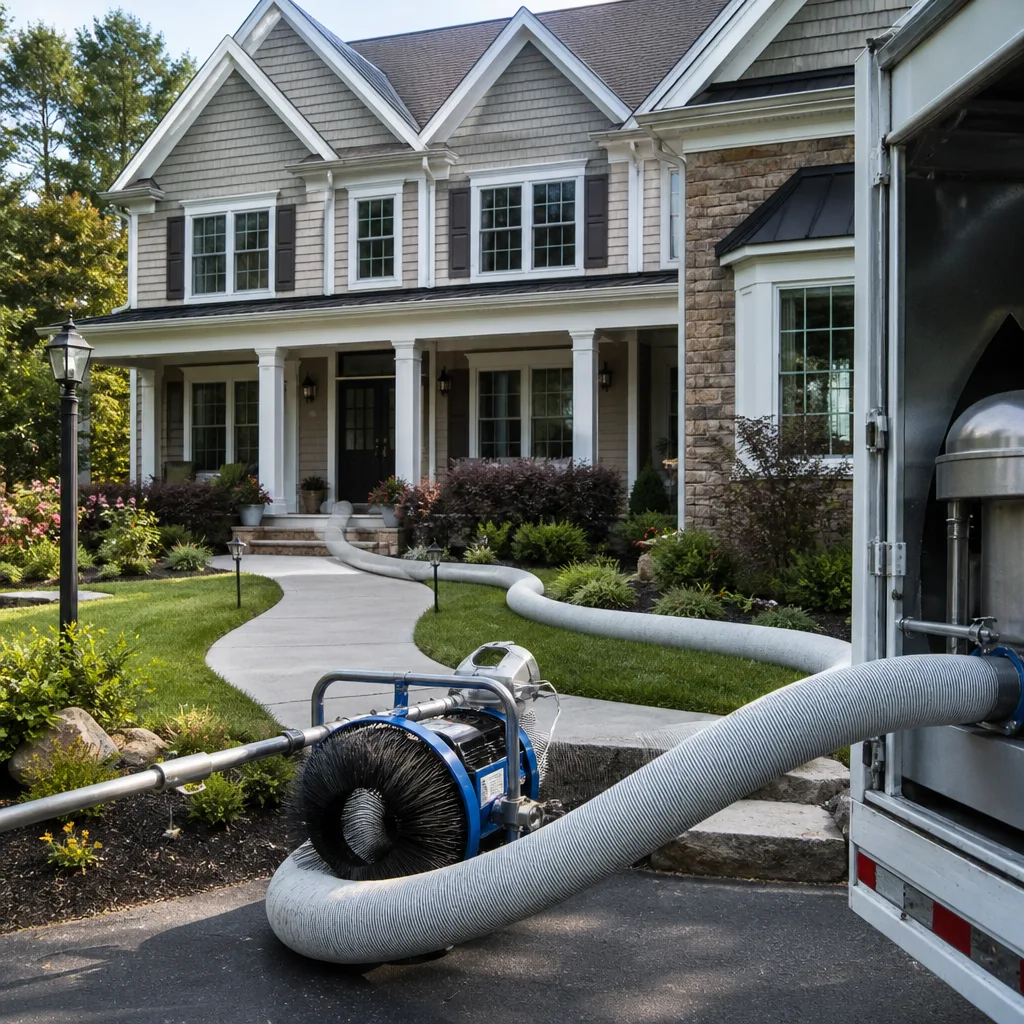 Whole-home duct cleaning
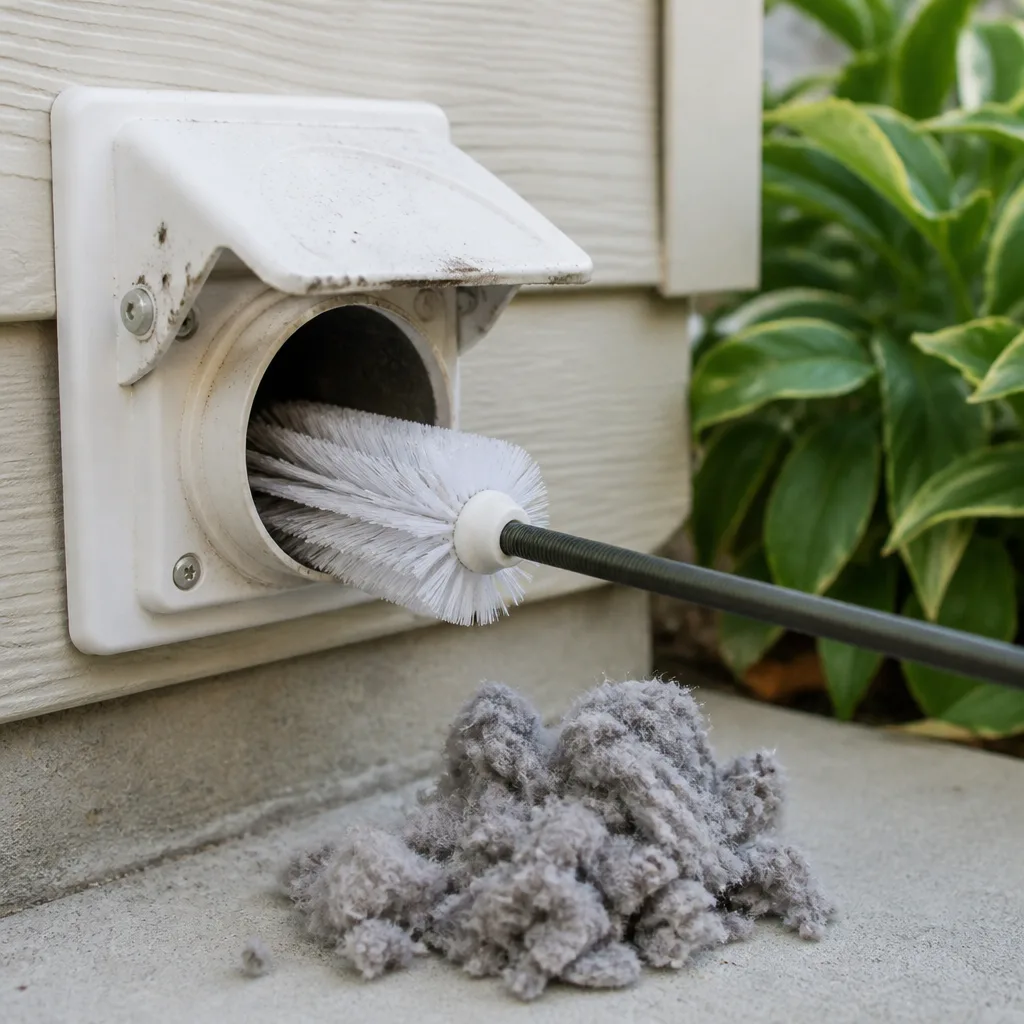 Dryer vent cleaning
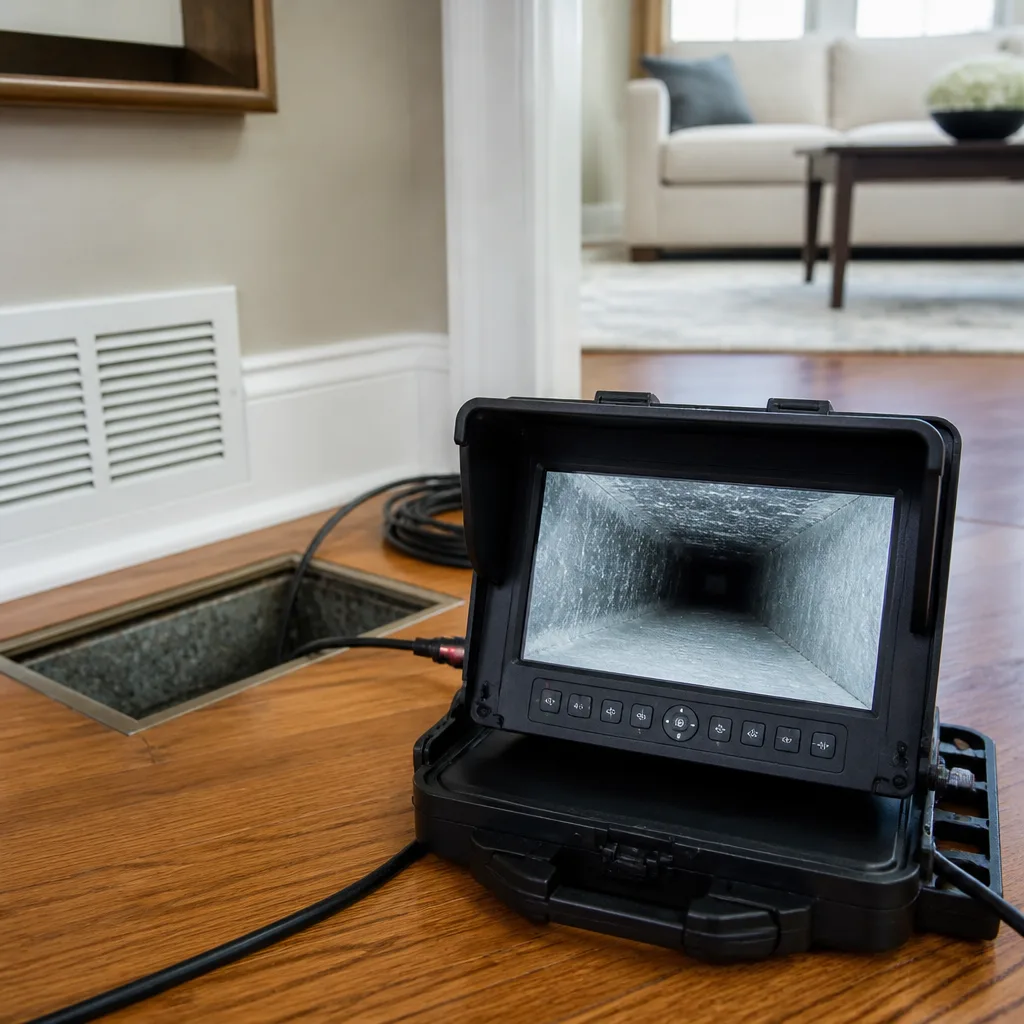 Camera inspection
 Sanitizing & deodorizing
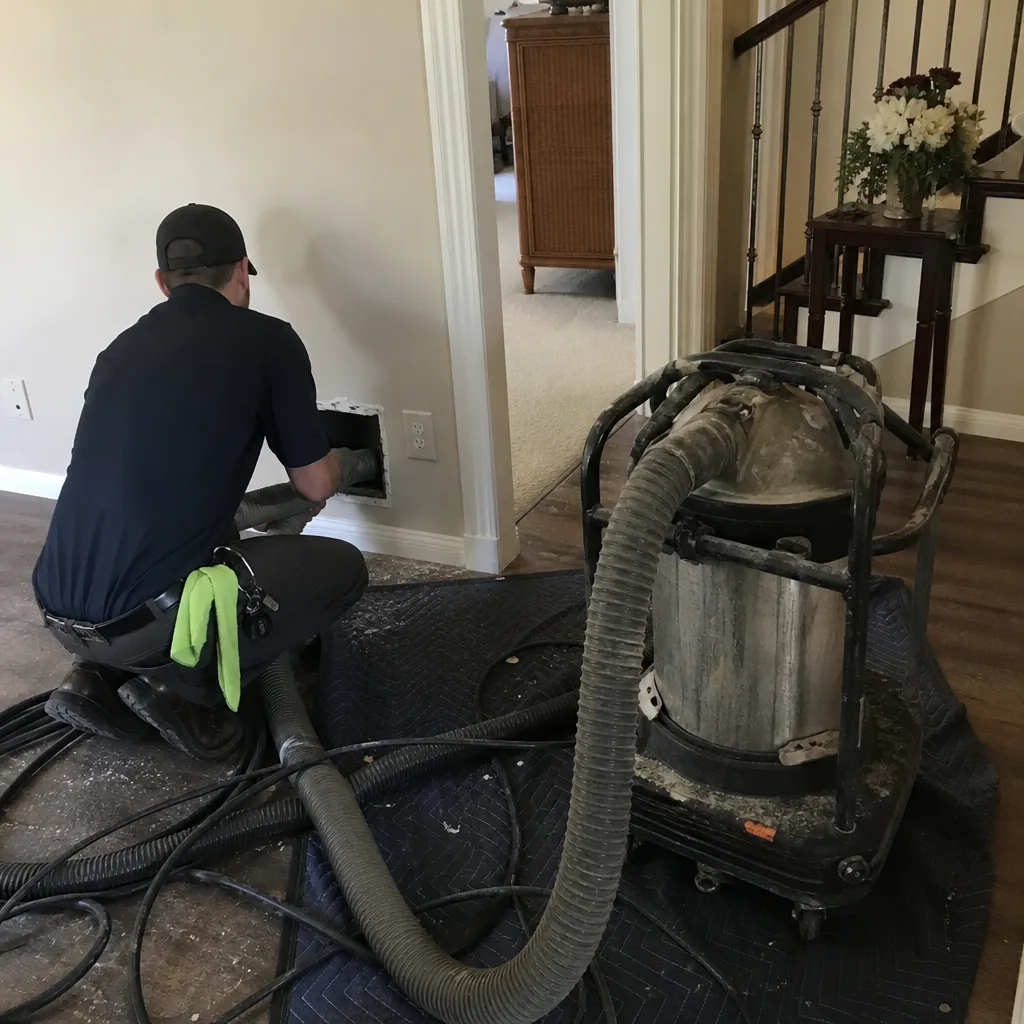
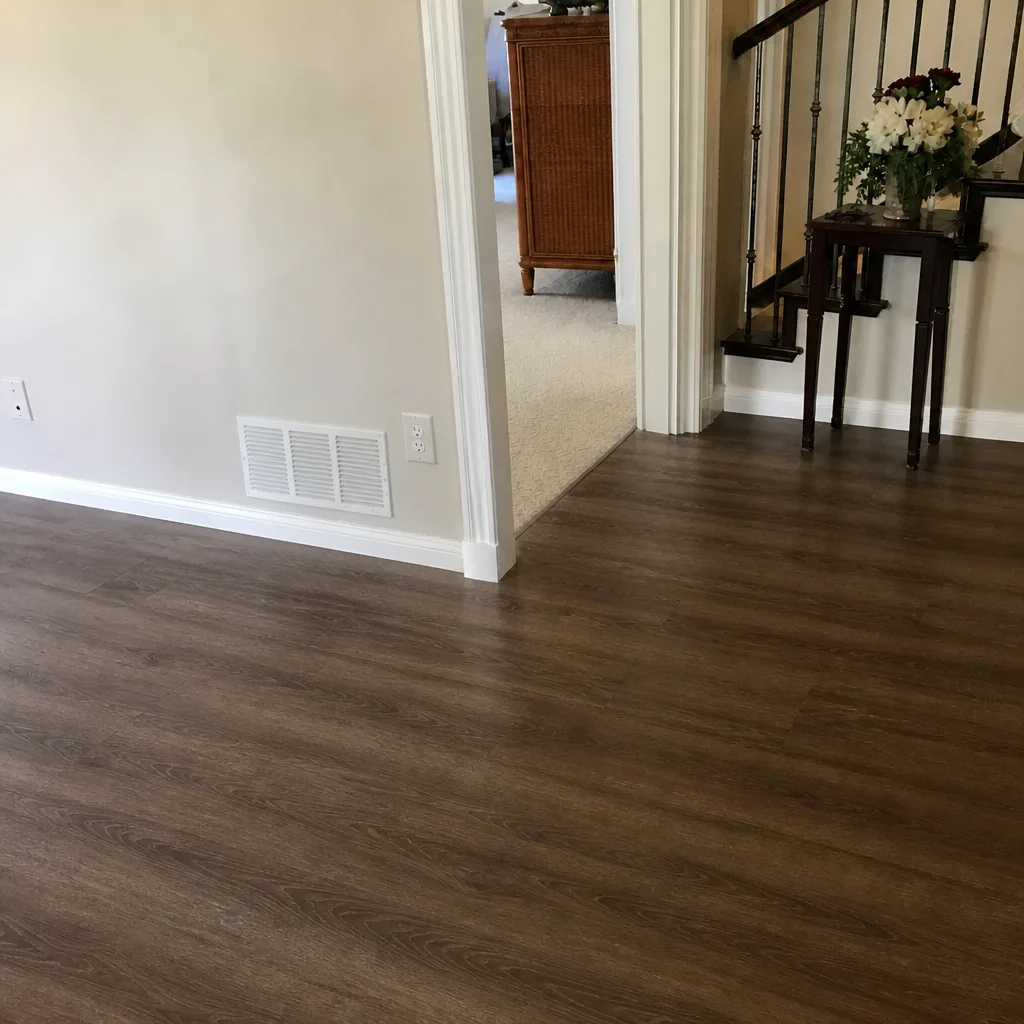
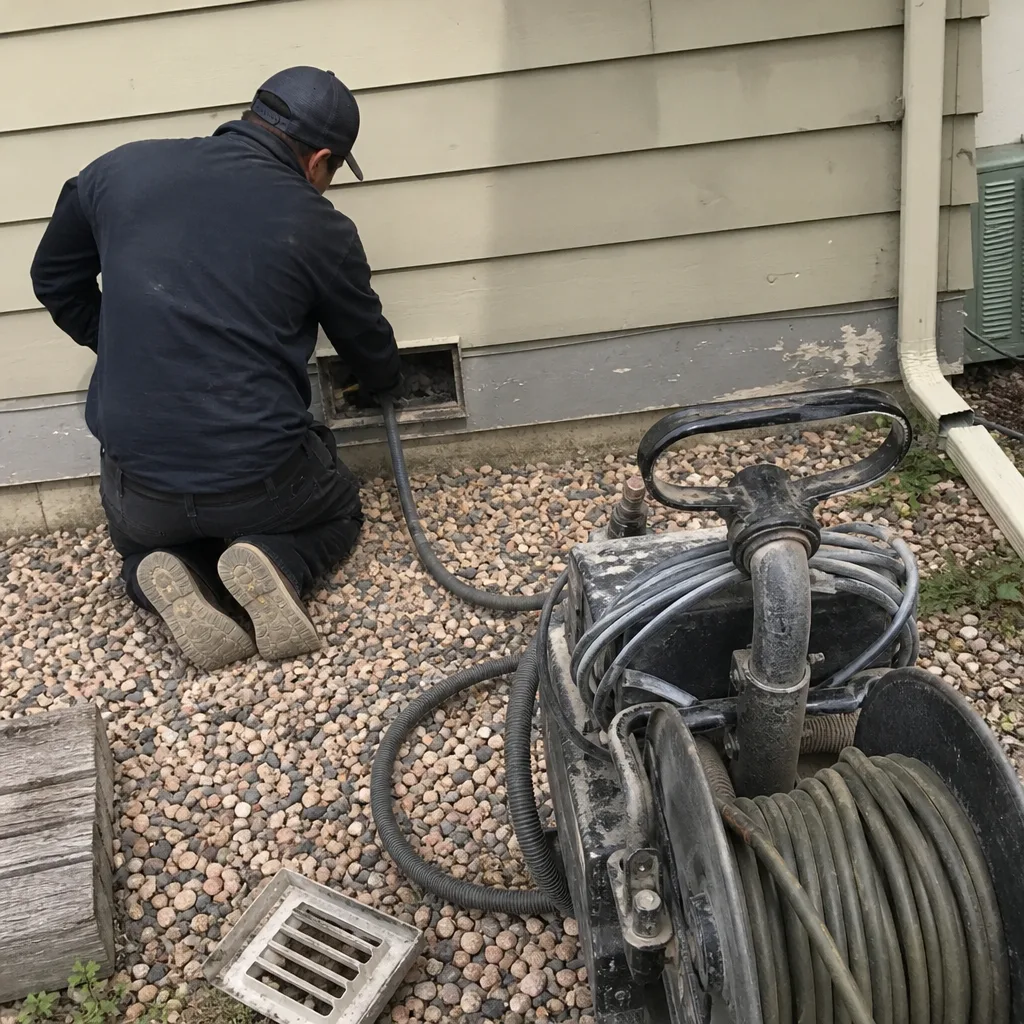
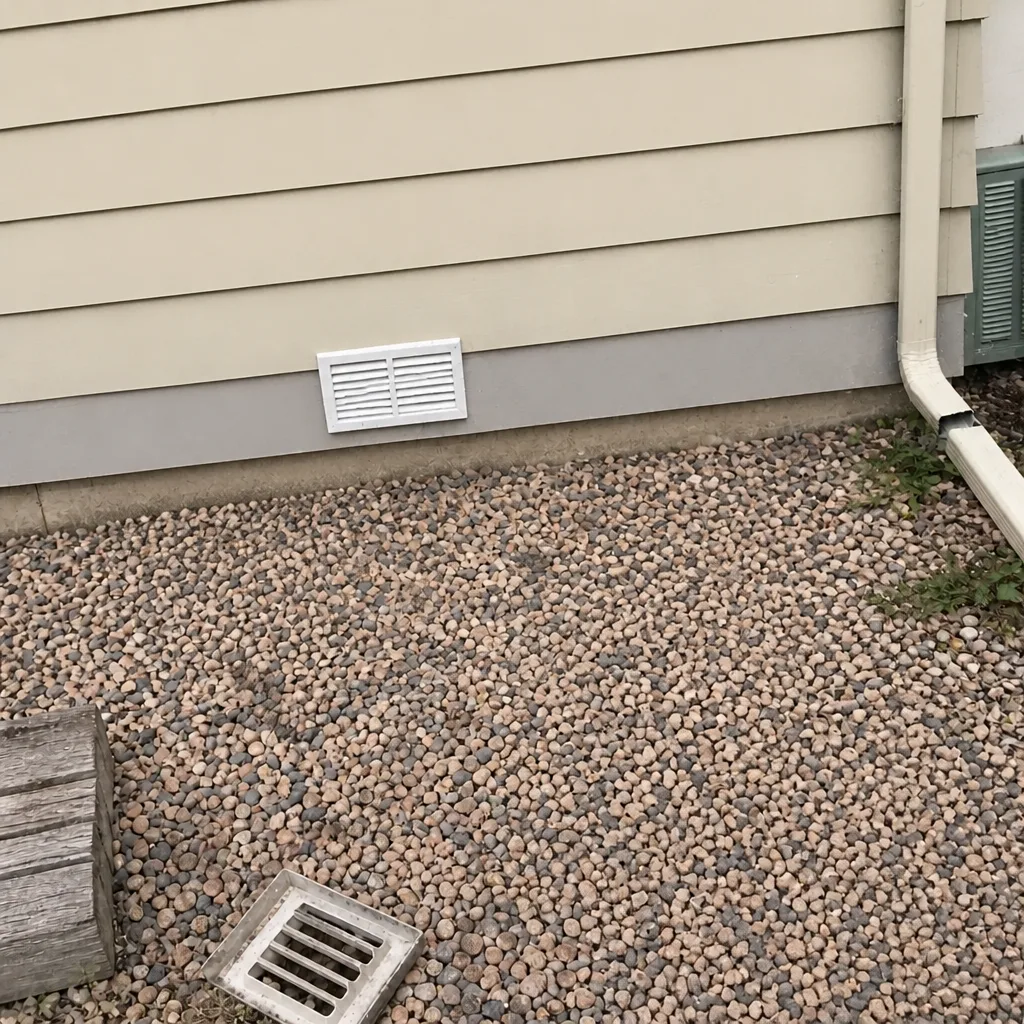
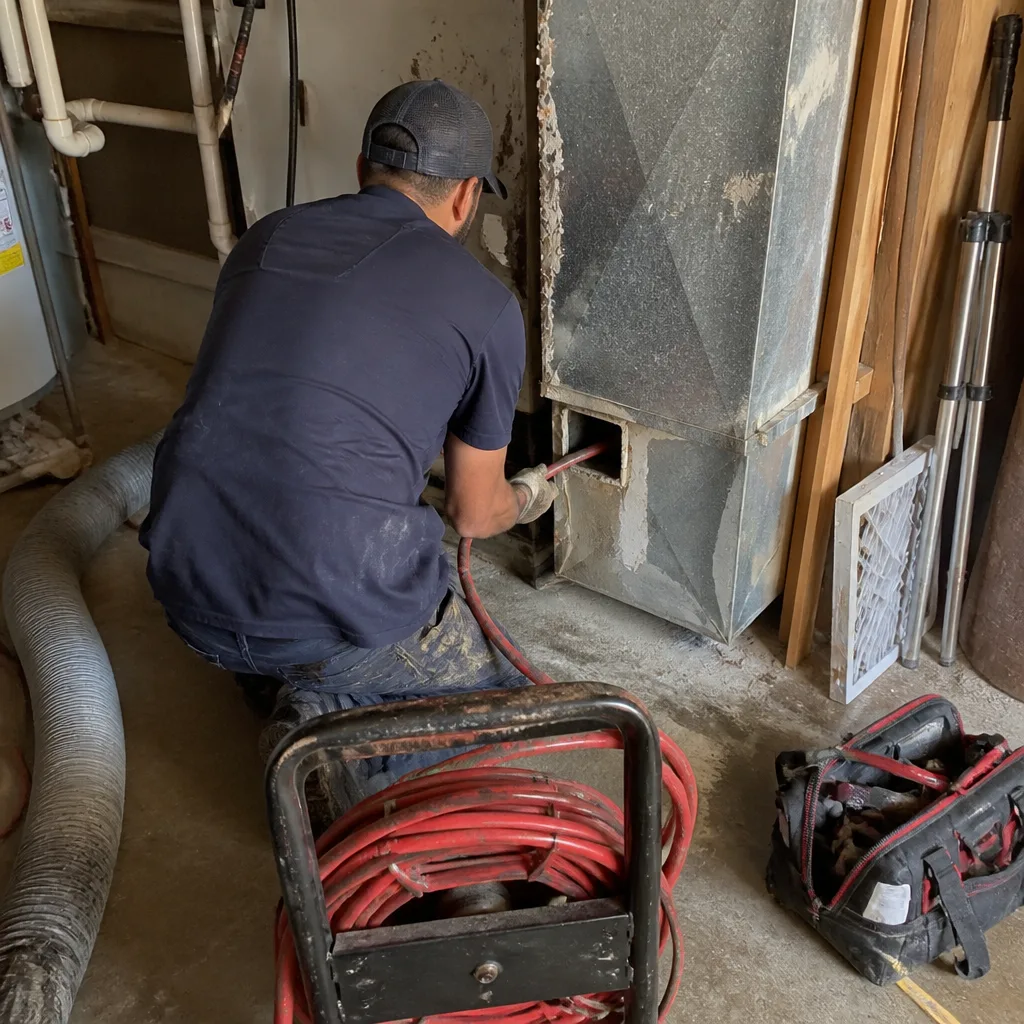
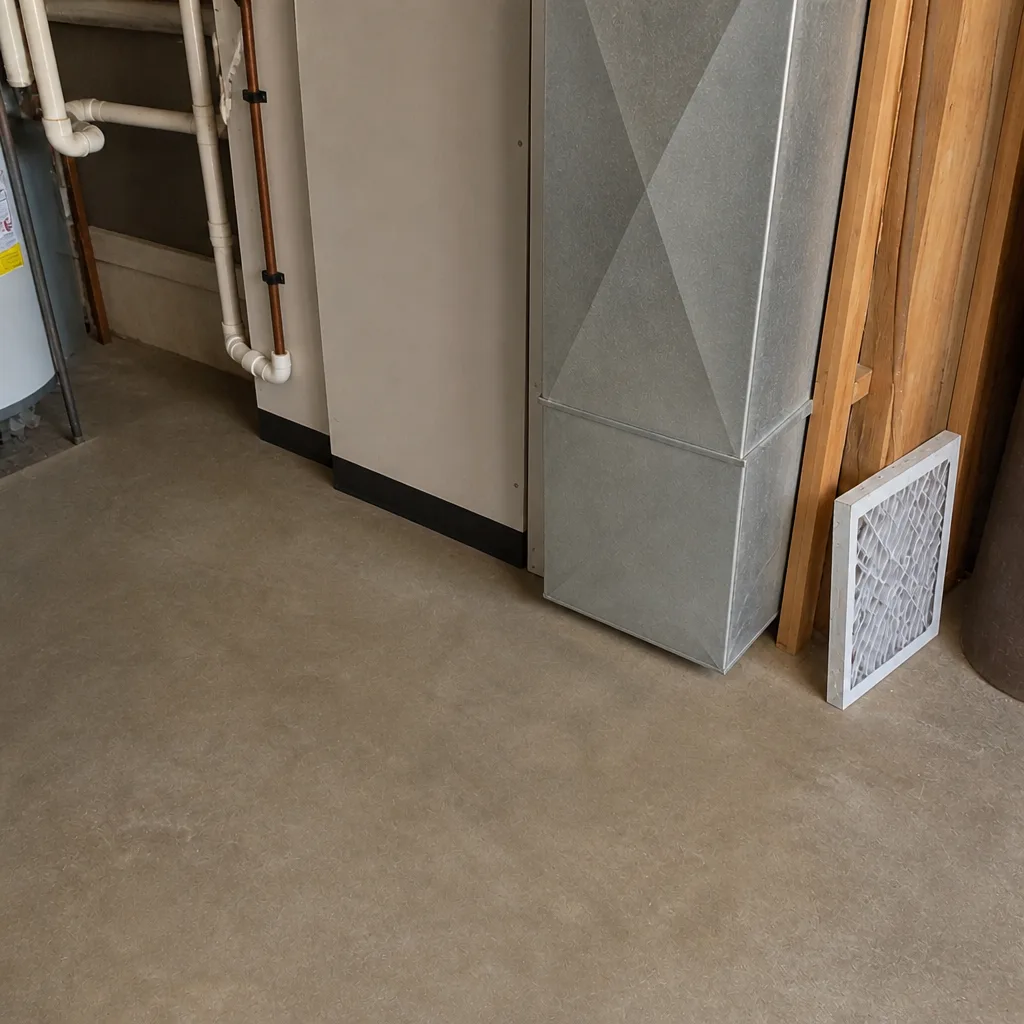
Whole-system duct and dryer vent check with before-and-after photos - you see exactly what came out of your vents
That "$99 whole-house special" is a bait ad - the real number appears once they are in your hallway, or the "clean" is a shop-vac at the register. We photograph the inside of your ducts before and after instead.
Seasonal Air Duct Cleaning Care for Arvada: Year-Round Homeowner’s Guide
October is the most damaging month for air ducts in Arvada. Not January, not the deep-freeze weeks. October is when furnaces wake up after months of dormancy and push everything that settled inside the system – stored dust, dead insects, oxidized metal debris from the heat exchanger housing – out through every register in the house before anyone thinks to check the ducts. Most homeowners assume winter cold is the hard season on their air system. In Arvada, it’s the transitions that do the damage. This guide maps duct care to the actual seasonal events that shape air quality here, from wildfire smoke to construction dust, and shows what to check, when to clean, and when a filter swap is all you need.
Styles & brands we work with
- Whole-home duct cleaning
- Dryer vent cleaning
- Camera inspection
- Sanitizing & deodorizing
Quick Answer
Seasonal air duct cleaning in Arvada should follow the local climate calendar rather than a generic quarterly reminder. The highest-priority checkpoints are September (before the furnace’s first heat cycle), April into May (before the first cooling runs), and again in January for homes with closed dampers and uneven register balance. Wildfire smoke between June and September calls for an inspection of return air pathways, and spring construction dust from March through May accelerates filter loading in homes near active development.
Table of Contents
- Why Arvada’s Seasons Don’t Stress Ducts Equally
- September: The Pre-Heating Season Checklist
- June to September: Wildfire Smoke Protocol and Return Air Assessment
- March to May: Spring Construction Dust and Filter Loading
- April to May: Summer Cooling Prep Before the First AC Run
- January: Mid-Season Static Pressure and Register Balance
- Why Seasonal Care Means the Whole System, Not Just Ducts
- Common Mistakes to Avoid
- When to Call a Professional
- Frequently Asked Questions
- The Bottom Line
Why Arvada’s Seasons Don’t Stress Ducts Equally
Air ducts don’t wear out on a schedule. They accumulate whatever the surrounding environment pushes at them, and in Arvada that environment changes around six times a year in meaningful ways. Wildfire smoke from June through September loads fine particulate into return air pathways. The first heat cycle in October pushes months of accumulated dust and insect debris through the whole system at once. Spring development dust from March through May coats return grilles and filters faster than in most Front Range neighborhoods because Arvada still has active construction corridors. And the summer cooling startup in May and June forces air through an evaporator coil that may have been sitting wet and collecting debris since the previous fall.
Treating duct care as a fixed quarterly chore ignores all of this. Treating it as a calendar tied to specific local events – first furnace startup, first cooling run, smoke season, construction season – actually changes what a homeowner cleans and when.
Arvada’s housing stock adds another layer. Split-level and tri-level homes built during the rapid expansion decades of the late 20th century dominate neighborhoods from the Ralston Creek corridor east toward Olde Town. These layouts run longer duct trunks than ranches, often route supply runs through unconditioned chase spaces, and depend heavily on damper settings for register balance. A home that runs evenly in a single-story layout can produce cold upstairs bedrooms almost every winter in a tri-level, and the ducts are usually part of the reason.
Seasonal care here is less about cleaning on a timetable and more about understanding what your specific system sees through a full Arvada year. If you want the broader picture of what an inspection covers, our Arvada Air Duct Cleaning Pros page lays out the full-service approach we take.
September: The Pre-Heating Season Checklist
September is the single most important month on the Arvada duct-care calendar. The furnace has been dormant since roughly April, the blower wheel has collected a season of household dust, and the return air system has drawn in whatever the summer pushed into the living space. Before that first heat cycle kicks on, you want the system as clean as it can reasonably be.
Here’s the checklist we recommend to every Arvada homeowner heading into heating season:
- Replace the furnace filter before the first heat run. A filter that ran all summer has already captured smoke-season particulate and construction dust. If it’s loaded, the blower pulls air around it rather than through it, and that unfiltered air carries straight into the ducts and the register stream.
- Inspect the blower wheel for dust accumulation. The blower wheel sits inside the air handler and spins thousands of times a season. Over a summer it collects dust on its vanes, and that dust is what gets blown through the ducts at the first heat call. If the wheel is visibly fuzzy or the sides of the housing are coated, the system needs attention beyond a filter.
- Check return air grilles for visible debris. Dead insects, dust webs, and construction grit often gather on the return side during warm months. You can look without removing anything – a flashlight across the grille slats is enough to see whether there’s accumulated debris.
- Confirm every register is open and unobstructed. Furniture, rugs, and storage often migrate in front of registers over the summer. Blocking supply and return points distorts the entire system’s balance going into heating season.
- Check the heat exchanger area for signs of debris or discoloration. Do not open the panel yourself – just look through any sight glass or accessible vent area. If you see oxidized metal, rust, or obvious debris, that’s a professional inspection before the heating season starts.
- Listen for unusual noise at first startup. A rattle, whistle, or grinding sound at first heat cycle can indicate a loose component or blower debris. It’s much cheaper to address these in September than in January.
In our experience, homes that do this simple September checklist avoid most of the “smells like burning dust” complaint that shows up in the first cold snap. The dust smell is exactly what it sounds like: accumulated debris cooking off the heat exchanger and blower. Cleaning it before the first cycle is a far better experience than breathing it for a week.
Safety note: Never open the furnace cabinet, disconnect electrical connections, or reach into the blower assembly yourself. Electrical components and moving parts are dangerous, and a trained technician should handle any work inside the air handler. The September checklist above is inspection and filter work only.
June to September: Wildfire Smoke Protocol and Return Air Assessment
Wildfire smoke season hits Arvada from roughly June through September, and it deposits fine particulate in ways that are easy to underestimate. When smoke sits over the Front Range for days at a time, return air pathways draw it in every time the HVAC system runs. Some of it stays in the ducts. Some of it settles on coils and blower vanes. Some of it clings to interior duct surfaces where airflow is slowest – typically in the return trunk and in flex runs that aren’t fully taut.
The question is when smoke infiltration actually warrants a duct cleaning and when a filter change alone handles it. Here’s our practical rule of thumb:
- Filter change alone may be enough if the smoke exposure was short (a few days), you kept windows closed with the HVAC running, filters are changed afterward, and there’s no musty or smoky odor coming from registers a week later.
- An inspection is warranted if smoke lingered for more than a week, you noticed odor at the registers well after the smoke cleared, or household members with asthma or allergies reported symptoms worsening during or after the smoke event.
- A cleaning is likely worth it if you can see visible gray or dark staining on return grilles, if a white cloth wiped across a supply register shows visible soot, or if a professional inspection finds particulate loading in the plenum and return trunk.
HEPA-filtered equipment matters here. Standard shop vacuums and low-grade cleaning tools can agitate fine smoke particulate without capturing it, which pushes soot back into the living space. Our process pairs mechanical agitation with HEPA source-removal vacuums from Nikro and Abatement Technologies, so dislodged contaminants come out of the home rather than recirculating through it. That distinction is the difference between a real cleaning and a blow-and-go that makes the problem worse before it makes it better.
Arvada’s geography matters too. The city sits at the base of the foothills where smoke often pools in the evening and clears during the day. West-of-Sheridan neighborhoods closer to the foothills see more sustained smoke load than east-Arvada neighborhoods closer to the flats, though no part of the city is immune. If you’re west of Wadsworth and can see the foothills from your yard, you’re a good candidate for a post-smoke-season inspection.
March to May: Spring Construction Dust and Filter Loading
Arvada is still actively building. The Ralston Creek corridor, the northwest edges of the city, and the newer subdivisions pushing toward the Jeffco foothills all see continuing development. If your home is anywhere near an active construction site, your duct system already knows about it.
Construction dust isn’t ordinary household dust. It’s a mix of concrete fines, drywall particulate, sawdust, fiberglass fragments, and soil tracked and airborne by grading and earthwork. It’s finer than most household dust and it loads filters faster. In homes within roughly a quarter mile of active site work, we typically see filter loading rates run noticeably higher through spring than in similarly sized homes farther away – often needing a filter change two or three times as often during active construction phases.
What to do about it:
- Increase filter change frequency from March through May in homes near active development. Check the filter monthly during this window rather than quarterly.
- Keep windows closed on windy days, especially when grading or concrete work is happening upwind of your home.
- Inspect return air grilles monthly for visible construction grit. Heavy accumulation on the return side is the earliest sign the ducts are loading up.
- Pay attention to which direction the site work is happening. Earthwork and grading produce far more airborne dust than finish carpentry or interior trades. If you know that phase is happening nearby, plan around it.
- Schedule a duct inspection after the active construction phase wraps if you’ve seen heavy filter loading through the spring. Dust that made it past the filter is now sitting in your ducts, and it will get pushed into the living space at the next heating or cooling transition.
The Ralston Creek corridor is a specific example worth noting. Homes along the creek and near the older development front have seen construction phases roll through in waves, and the duct loading pattern reflects that. If your neighborhood has had active site work in the last twelve months, your ducts carry construction particulate your filter didn’t catch.
April to May: Summer Cooling Prep Before the First AC Run
The first cooling run of the year is the second-biggest system transition on the Arvada calendar, and it comes with its own checklist. The evaporator coil has been sitting since the previous fall, the condensate drain has been dormant, and the air handler is about to start pushing warm-weather air through every component again.
Here’s what deserves attention before you flip the thermostat to cooling:
- Evaporator coil inspection. A dirty coil reduces heat transfer, which forces the system to run longer and harder to reach the set temperature. More importantly, when the coil is dirty, air moving through it can pick up debris and carry it into the supply trunk. Coils that sat wet through the previous cooling season are the ones most likely to have biological growth or debris accumulation.
- Condensate drain clearing. The drain pan and line collect dust, algae, and mineral scale over the off-season. A clogged drain overflows into the air handler cabinet and, in worst cases, into the home. A technician can clear the trap and verify the line flows freely in a few minutes.
- Blower wheel inspection. The same blower that pushed heated air all winter is doing the cooling work in summer. If it collected dust through heating season, that dust now moves through the cooling airstream.
- Return air grille verification. Confirm every return is unobstructed before the cooling season starts. Blocked returns fight an already-loaded coil and can trigger freezing or short cycling.
Dirty coils do more than reduce efficiency. When air can’t move freely through the coil, it can slip around it, carrying debris that would otherwise have been filtered out into the supply trunk and eventually into the living space at first cooling run. That’s why coil inspection and duct cleaning pair naturally – the coil is where a lot of the actual debris comes from.
If you’re repairing or intending to evaluate the whole HVAC system, our HVAC cleaning service covers the air handler, blower, and coil as a single scope rather than treating the ducts as an isolated part.
January: Mid-Season Static Pressure and Register Balance
By January, most Arvada homes are running heat continuously. Dampers have been adjusted to keep certain rooms warm. Some registers have been closed “to save energy” or to redirect heat to the coldest upstairs bedroom. And the system, quietly, has developed a balancing problem that shows up as uneven heating, noisy registers, and hot or cold spots that didn’t exist in October.
Here’s what happens. Closing supply registers increases static pressure inside the duct system. Higher static pressure means less total airflow, which makes the blower work harder and can cause it to pull dust and debris into cracks and loose connections where it settles. In a split-level or tri-level Arvada home – which typically has longer duct runs and more register dampers than a ranch layout – this effect compounds. You’ll see:
– Cold bedrooms upstairs and warm living space below, despite balanced damper settings
– Noisy registers, particularly at the farthest runs from the blower
– Blower strain or short cycling
– Airflow that feels weak at registers closest to the closed ones
The fix isn’t always to reopen registers. Often it’s to have the static pressure checked and the damper positions reset with the whole system in mind, or to identify a return-air deficit that’s forcing the supply side to overwork. Where duct connections are loose or gaps exist in the trunk, sealing them can restore a good measure of the balance.
Arvada’s tri-level stock is where we most often see this. The mid-century layouts put the mechanical room at one level and the supply trunk split between floors, and a damper closed upstream of one branch can distort flow to the whole system. The ducts themselves need to be in good condition for any damper balancing to work – a duct with a two-inch tear at a takeoff negates whatever adjustment you make at the register.
This is one area where cleaning alone doesn’t solve the problem. If inspection during cleaning turns up a gap, a torn flex run, or a loose takeoff, we seal it on the spot. It’s why we offer air duct cleaning with repair and sealing as part of the same visit rather than handing off to a second contractor.
Why Seasonal Care Means the Whole System, Not Just Ducts
A calendar that only reminds you to clean the ducts misses three other components that see the same seasonal stress, and often carry more risk. A complete seasonal care plan looks at the full at-risk system: air ducts, dryer vent, HVAC components, and the air quality picture as a whole.
Dryer vent. The seasonal logic here is simple – lint accumulation is constant, but the risk rises as the vent line gets progressively blocked through the year. By late winter and early spring, the accumulated lint mass is meaningful. Lint is highly combustible, and a restricted dryer vent forces the dryer to run longer and hotter, which increases the load on the appliance and on the vent itself. A dryer vent cleaning once a year is the minimum for most Arvada homes, and more often if the vent has a long or complex run.
HVAC components. The air handler, blower wheel, evaporator coil, and condensate drain all see seasonal load. The blower and coil are where a lot of the duct debris originates, which is why cleaning ducts without evaluating the HVAC components is only part of the job. The same seasonal triggers – October heating startup, May cooling startup – apply directly to these components.
Air quality sanitizing. After a smoke season, after a heavy construction phase, or after any cleaning where biological growth is found, a sanitizing treatment adds a documented antimicrobial layer that a routine cleaning doesn’t provide. Our process uses Guardsman protective treatments as part of the sanitizing scope, and we also work with Honeywell and Aprilaire air quality systems when a homeowner wants to move beyond cleaning toward a whole-home IAQ solution. That’s the difference between removing what’s in the ducts today and reducing what comes back over the next season.
When you schedule a seasonal visit through Arvada Air Duct Cleaning Pros, we scope the full system in one appointment. From cleaning to repair to sanitizing, one company, one call, no hand-offs between vendors.
Common Mistakes to Avoid
- Skipping the September pre-heating check because “the ducts were cleaned last year.” A full year of dust, insect debris, and smoke-season particulate has accumulated regardless of what you did twelve months ago. The first heat cycle pushes all of it through the house at once, so September matters more than any other month.
- Closing registers to “save energy” in January. Closed registers raise static pressure and can force the blower to pull debris into unsealed joints. In a tri-level Arvada home, this often produces the exact cold-bedroom outcome the person closing registers was trying to avoid.
- Using a box fan or shop vacuum to “clean” ducts after a smoke event. Standard vacuums can’t capture fine particulate smoke, and agitating it without HEPA-rated capture pushes soot deeper into the ducts or back into the living space. Fine smoke particulate needs HEPA source-removal equipment to actually leave the home.
- Changing the furnace filter once a season near active construction. Homes within the Ralston Creek corridor and other active development zones often need filter changes monthly during the March to May window. The quarterly schedule that works for a settled neighborhood doesn’t work for a home near an active site.
- Assuming the ducts are the only problem in a musty home. Musty odor often traces back to a wet evaporator coil, a clogged condensate drain, or biological growth in the air handler rather than the ducts themselves. Cleaning the ducts without evaluating the coil removes half the story.
- Getting ducts cleaned twice from the same company without repair. If inspection finds loose connections, tears, or gaps – which Arvada’s older split-level and tri-level stock frequently has – a second cleaning without sealing just re-introduces debris into a leaky system. Cleaning and repair belong together.
- Ignoring the dryer vent through the seasonal checklist. The dryer vent is the highest fire-risk component on the whole list and the one most likely to be skipped. It runs on its own schedule tied to lint accumulation, not to heating and cooling transitions.
When to Call a Professional
Most seasonal care is homeowner work: filter changes, visual inspections, register checks, and window discipline during smoke or construction phases. The professional line gets crossed when the problems go beyond what visual inspection can safely address. Specific scenarios where we recommend calling in:
- Visible debris, staining, or soot on return grilles after a smoke season
- A musty or smoky odor at registers that persists after a filter change
- Visible dust trails from registers, or “ghosting” on walls and ceilings near supply points
- Uneven heating in a split-level or tri-level home that damper adjustments can’t fix
- Heavy filter loading through construction season that continues after the site work is complete
- Any evidence of condensation, biological growth, or water intrusion in the air handler
- Dryer taking noticeably longer to dry a normal load, or feeling hot to the touch
Arvada Air Duct Cleaning Pros offers free estimates in Arvada – call (866) 623-9426. Our technicians have up to 10 years of experience, and the local pro is licensed and insured as their state requires.
Frequently Asked Questions
For most Arvada homes, one professional cleaning every 2 to 3 years is a reasonable baseline, with adjustments for local seasonal factors. Homes near active construction, homes that took on heavy wildfire smoke exposure, or homes where someone has respiratory sensitivity often benefit from a cleaning every year or two with seasonal inspections between. Filter changes, by contrast, belong on a seasonal schedule – before heating startup in September and before cooling startup in May at minimum.
It depends on how long the smoke exposure lasted and what your home’s return air system pulled in. A few days of smoke with windows closed and the HVAC running, followed by a filter change and no persistent odor, usually doesn’t require duct cleaning. Prolonged smoke exposure, visible staining on return grilles, or lingering odor at registers after a filter change are all signs that fine particulate has deposited in the ducts and warrants an inspection. Call (866) 623-9426 for a free estimate if you’re unsure.
A filter captures particulate before it reaches the ducts. A duct cleaning removes what already made it past the filter and settled inside the system. They’re not substitutes – a homeowner who changes filters regularly still needs the ducts themselves cleaned periodically, because some particulate always slips through and some debris (like dead insects and construction grit) enters the system through return grilles directly. Our process pairs mechanical agitation with HEPA source-removal so dislodged contaminants come out of the home, not back into it.
Uneven heating in an Arvada tri-level or split-level home usually traces to two things: closed or badly adjusted dampers that distort static pressure, and duct leaks or loose connections that cause the system to lose air before it reaches the farthest registers. Adjusting dampers alone can’t fix a duct with a tear at a takeoff. A professional inspection identifies whether the problem is balance, sealing, or both, and we can seal gaps and loose connections during the same visit as the cleaning.
Active development near your home – particularly in the Ralston Creek corridor and the newer subdivisions toward the foothills – introduces concrete dust, drywall particulate, and soil fines into the surrounding air. Homes near active sites typically need filter changes two to three times more often during the March to May construction window than homes in settled neighborhoods. Dust that gets past the filter ends up in the ducts and pushes into the living space at the next heating or cooling transition, so a professional duct inspection after construction season is worthwhile if filter loading ran high through the spring.
We repair and seal ducts as part of the same visit. If inspection during a cleaning finds a gap, tear, or loose connection, we can seal it on the spot – no second appointment needed. That matters in Arvada’s older split-level and tri-level housing stock, where loose duct joints are common and a second cleaning without repair just re-introduces debris into a leaky system. Call (866) 623-9426 for a free estimate on cleaning plus repair as a single scope.
The Bottom Line
Seasonal duct care in Arvada works best when it’s tied to what actually happens here through the year, not to a generic reminder. September’s pre-heating checklist is the single most important action, because the first heat cycle pushes a whole summer’s accumulation through the house. Wildfire smoke season from June to September calls for assessing return air pathways and knowing the difference between a filter change and a real cleaning. Spring construction dust accelerates filter loading in homes near active sites and warrants a post-season inspection. Cooling prep in May and the January static pressure check round out the calendar. Whatever the season, the ducts, the HVAC components, the dryer vent, and the air quality picture are one system – and a full-scope visit handles them together. Call (866) 623-9426. We answer 24/7. Fast dispatch from 7am to 7pm. The estimate is free, and the price is set per job by the written estimate.
Written by the team at Arvada Air Duct Cleaning Pros.
See the difference
 Before
 After
 Before
 After
 Before
 After