
Last updated November 23, 2026
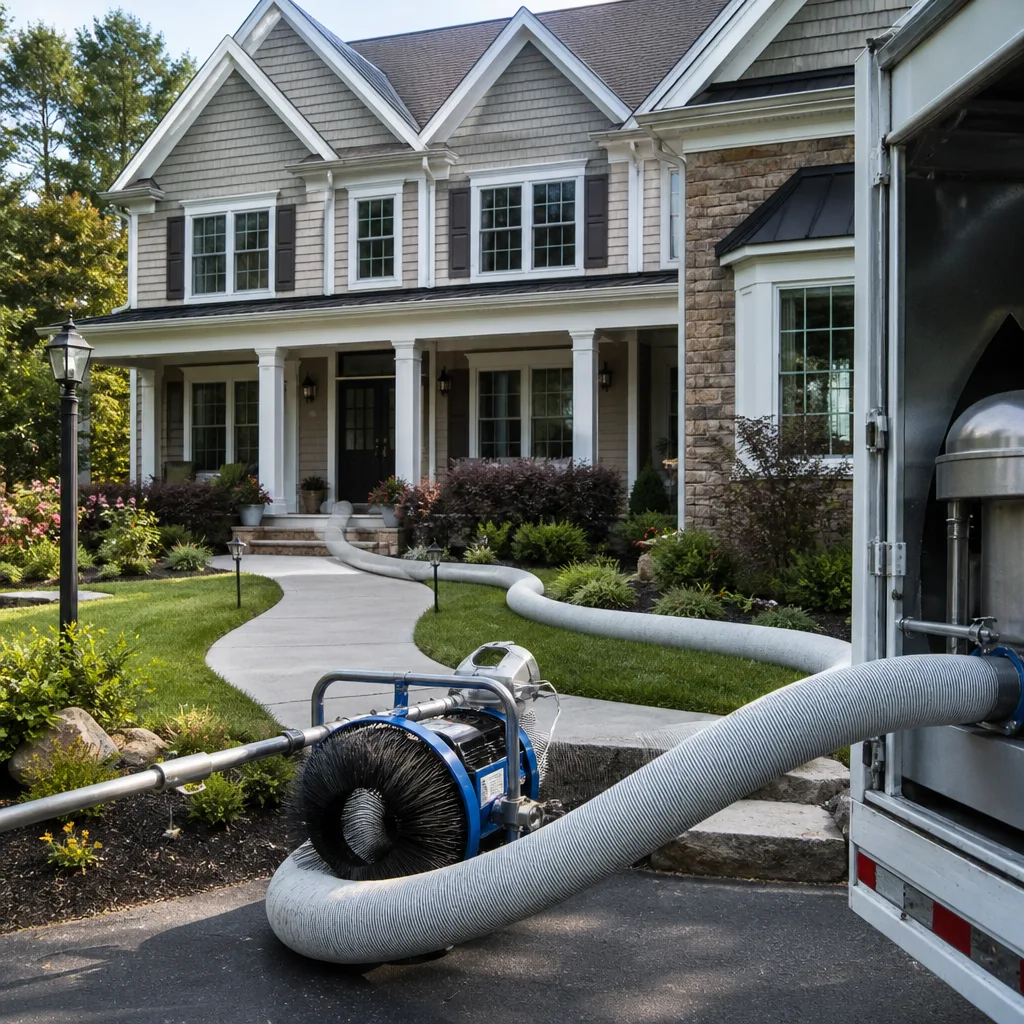 Whole-home duct cleaning
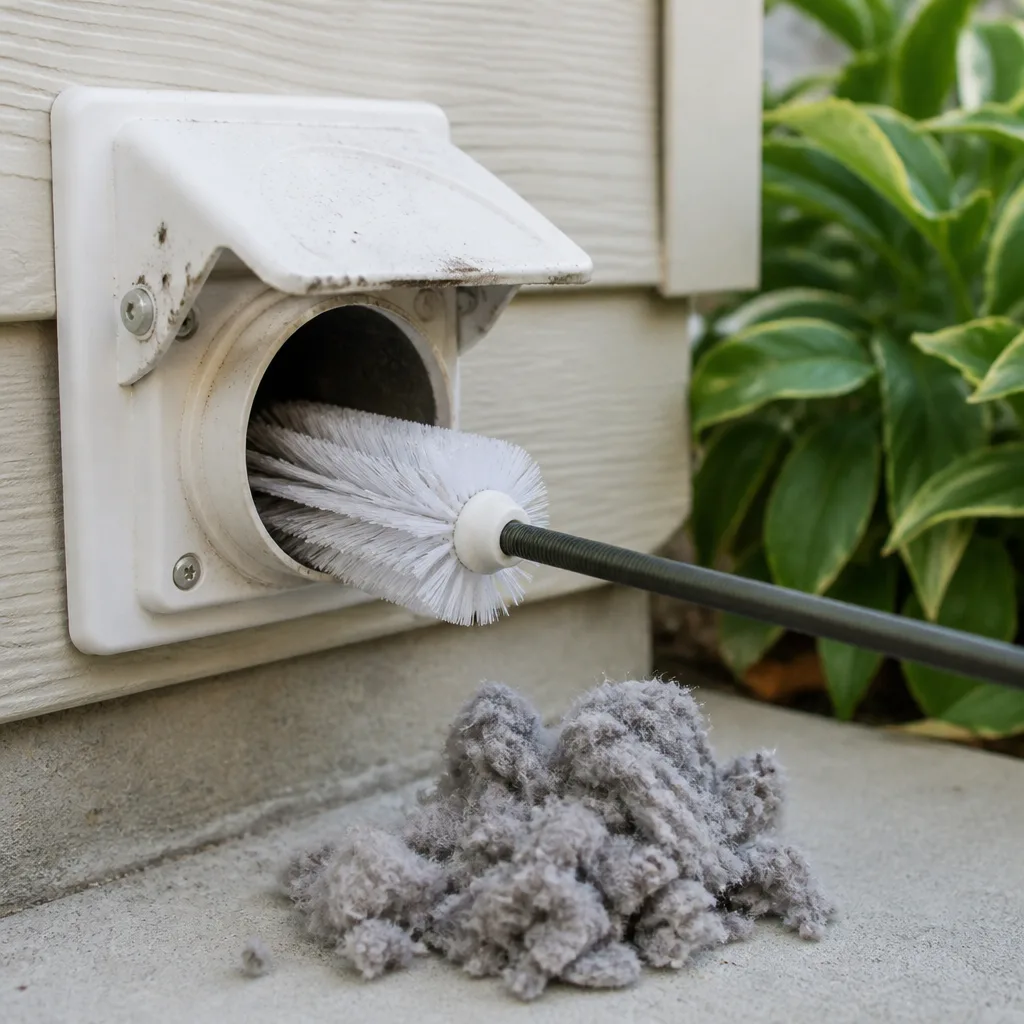 Dryer vent cleaning
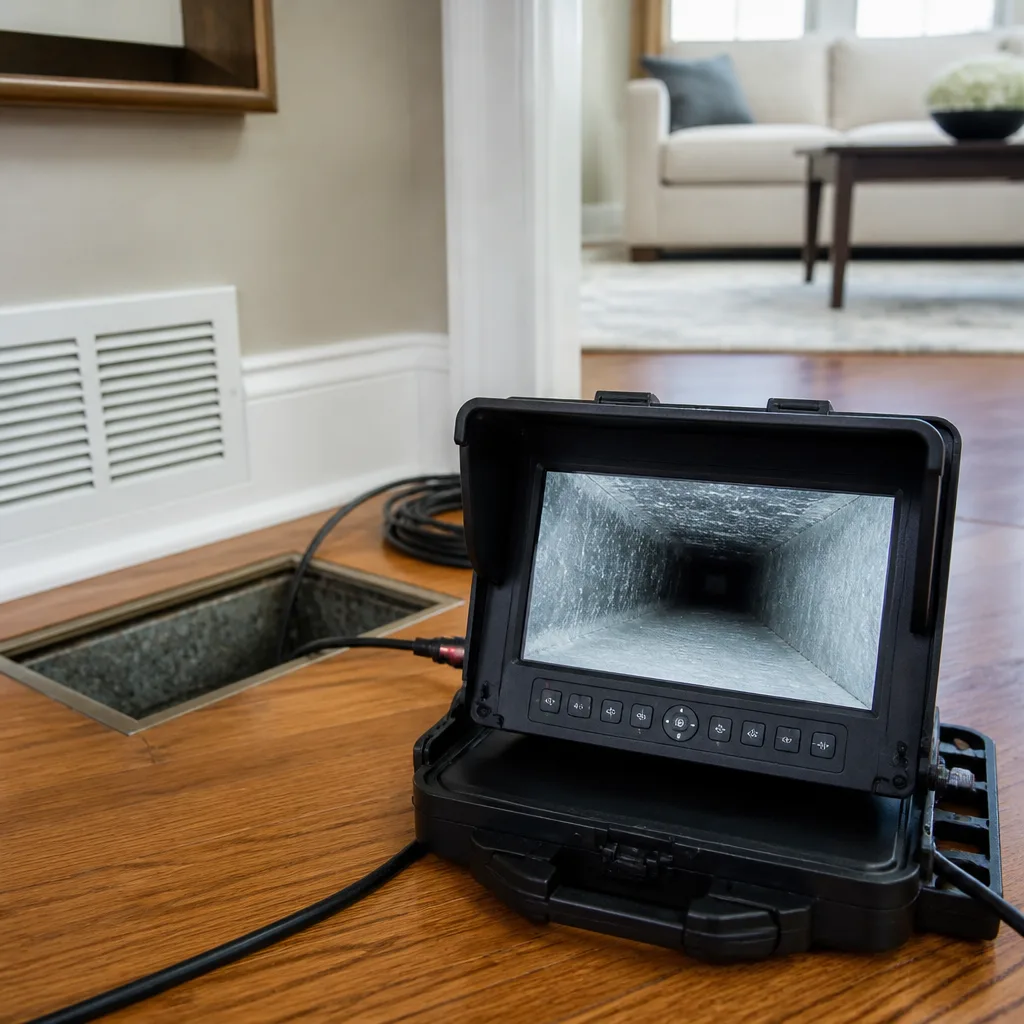 Camera inspection
 Sanitizing & deodorizing
Whole-system duct and dryer vent check with before-and-after photos - you see exactly what came out of your vents
That "$99 whole-house special" is a bait ad - the real number appears once they are in your hallway, or the "clean" is a shop-vac at the register. We photograph the inside of your ducts before and after instead.
Air Duct Cleaning Warning Signs: An Arvada Homeowner’s Reference Guide
If one room in your Arvada home is always five degrees colder than the rest, most HVAC techs will blame your furnace. But restricted or contaminated ductwork causes uneven temperature distribution far more often than equipment failure, and no thermostat adjustment will fix it. The same misreading happens with dust, odors, and allergies: homeowners blame the furnace, the season, or the age of the house, when the ductwork is the actual source. This guide decodes the symptoms you’re already noticing and maps each one to a specific duct condition. You’ll learn what’s worth a closer look, what you can check yourself, and when the job needs professional equipment.
Quick Answer
Air duct cleaning warning signs in Arvada include dust that ejects from registers when the blower starts, musty or earthy odors that appear only when the HVAC runs, allergy symptoms that track with furnace or AC runtime rather than outdoor pollen, one room that never matches the rest of the house, and visible buildup or staining at the air handler. When you notice two or more of these together, the ductwork itself is the likely source, not the furnace and not the season.
Styles & brands we work with
- Whole-home duct cleaning
- Dryer vent cleaning
- Camera inspection
- Sanitizing & deodorizing
Table of Contents
- Dust on Registers vs. Dust Ejecting from Registers
- Decoding Duct Odors: Mold, Dust Burn-Off, and Pests
- What the Air Handler Tells You About Return Air
- Allergies That Track with HVAC Runtime
- Warning Signs in Arvada’s Older Housing Stock
- Uneven Room Temperatures and Restricted Airflow
- A Step-by-Step Homeowner Check List
- What Professional Duct Cleaning Involves
Dust on Registers vs. Dust Ejecting from Registers
Dust settling on top of a supply register is usually normal. A small amount of household air bypasses the filter at the equipment cabinet and moves through the trunk line, so a thin coat of dust on the register face is expected, especially after a season of heavy HVAC use. Wipe it and move on.
Dust that ejects from the register when the blower starts is a different condition. Watch a supply register as your system kicks on. If you see a visible puff of dust leaving the louvers, the interior of the duct is actively holding debris and releasing it into the room with each cycle. That’s an indicator of active contamination inside the duct, not a filter issue.
The distinction matters because the two conditions need different responses:
- Dust on the register face: minor filter bypass at the air handler cabinet. Check that the filter fits snugly and the cabinet door is seated properly.
- Dust puffing from the register on startup: contamination inside the duct run. Cleaning the register face won’t fix it. The debris is downstream of the register.
- Dust rings around ceiling supply diffusers: often a sign of leaking diffuser seals or slight ductwork pressurization loss, and worth looking at when combined with dust ejection.
In Arvada, homeowners with forced-air systems that run through summer air conditioning and winter heating get the clearest signal: if dust ejection appears only in the first weeks of the heating season, that’s dust accumulated in the return side during the off-season. If it ejects through both seasons, the contamination is more serious. Our air duct cleaning process uses mechanical agitation plus HEPA source-removal so the dislodged debris is captured at the source rather than recirculated.
Decoding Duct Odors: Mold, Dust Burn-Off, and Pests
Not every duct odor is mold. Three common sources produce distinct smell profiles, and each calls for a different response. Getting the smell wrong means treating the wrong problem.
- Mold or biological growth: musty, earthy, wet-basement smell that lingers even when the system is off and intensifies the first few minutes after the blower starts. Usually connects to moisture in the system, a wet evaporator coil, a saturated drain pan, or condensation from a cooling season issue.
- Dust burn-off: a dry, hot, slightly acrid smell that appears on the first run of the heating season and fades after a few cycles. This is dust on the heat exchanger burning off. If the smell returns every time the furnace starts, it’s not just new-season burn-off; something is depositing dust onto the equipment.
- Pest activity: a sharp, stale, sometimes animal-urine odor that may come and go with weather. Rodents and insects find their way into ductwork and return chases, and their droppings and nest material leave a smell that doesn’t match either mold or burn-off.
The way to test the difference yourself: note when the smell appears. If it’s only when the HVAC starts, the source is inside the system. If it’s constant and worst in humid or wet weather, suspect moisture in the system. If it fluctuates with outdoor temperature, suspect a leak into an exterior chase or pest activity. Arvada’s dry climate limits some moisture-driven growth compared to coastal regions, but evaporator coils on cooling systems still run wet, and standing water in a drain pan from a clogged condensate line is a common source we still find on this side of the state. Our sanitizing process uses Guardsman protective treatments after cleaning, which adds a documented antimicrobial layer to the duct interior.
What the Air Handler Tells You About Return Air
The air handler is where contaminated return air shows itself most clearly. If you can safely look at your air handler (power off, panel removed only if you’re comfortable), three visible signs tell you the return side is loaded:
- Blower wheel buildup. The blower wheel is a squirrel-cage fan behind the panel. New or recently cleaned wheels have sharp, clean vanes. Loaded wheels have even brown coating on each vane, sometimes matted dust that starts to bridge between vanes. This doesn’t happen from dust on the exterior; it happens because the return air carries the load.
- Brown staining on the evaporator coil housing. A brown shadow or staining across the coil casing usually tracks with long-term return-side contamination. It’s a signal the return air has been carrying a load for a while.
- Drain pan discoloration. A drain pan that isn’t just damp but visibly darkened or stained points to long-term moisture plus deposits. It’s worth checking the condensate line and having the pan looked at while the air handler is open.
These signs matter because they sit upstream of the living space. You’re seeing what the return air has been dropping on the equipment before it reached your supply registers. Each one is a signal that the return system is the priority, not just spot-cleaning the supply side.
The air handler inspection is also where HVAC cleaning differs from duct-only cleaning. Cleaning ducts without addressing the blower and coil leaves the largest debris reservoir untouched, and the load will start refilling the ducts within one or two cycles.
Allergies That Track with HVAC Runtime
If your allergy symptoms flare in the days after a cold snap or heat wave, when the HVAC runs longer, the ductwork is a more plausible trigger than outdoor pollen. Seasonal pollen exposure tracks the weather outside and doesn’t follow the thermostat. Duct contamination tracks runtime exactly: symptoms get worse during long system cycles and improve when the system is idle.
The diagnostic pattern to look for:
- Morning sneezing that clears once you’ve left the house, then returns a few hours after you’re home and the system cycles on.
- Symptoms that spike on the first cold snap of autumn or first sustained heat of summer, not in step with local pollen counts.
- A family member whose symptoms improve in hotel rooms or in-laws’ houses and return within a day of coming home.
- Eye irritation, throat clearing, or dry cough that’s worse in rooms where a supply register is close by, particularly bedrooms where a register is aimed near the bed.
In our experience, the pattern of runtime-linked allergy symptoms is one of the most reliable indicators that the ductwork is holding and distributing a debris load. It doesn’t mean every allergy is duct-driven; people with seasonal pollen allergies will have their own pattern. But when the symptoms track HVAC runtime instead of outdoor exposure, the duct is worth a serious look. A professional cleaning focused on source removal, with HEPA-filtered vacuums capturing debris at the source, addresses the load the system is releasing into the room.
Warning Signs in Arvada’s Older Housing Stock
Arvada’s ranch and tri-level neighborhoods from the 1960s through the 1980s are some of the most common ductwork systems we work in, and the warning signs there run differently from newer construction. The systems were built for a different era of duct material, tape technology, and return-air sizing. Three signs are worth knowing:
- Flex duct deterioration. Some of the older homes in these neighborhoods have flex duct runs in the attic, ran crawlspace, or basement. Flex duct degrades: the inner core can tear, the outer sleeve can separate, and the insulation can sag. A flex run that’s kinked or crushed reduces airflow to the room it serves and adds a dust source into the system. Signs are hard to see without looking, but the resulting symptom is a room that’s always short on airflow while others get plenty.
- Original sheet metal with failed tape joints. Metal ductwork built in these decades was sealed with tape. Tape fails over time, especially at joints and elbows. A failed tape joint leaks supply air into a wall cavity or attic space, which means less air to the register and a pathway for dust and insulation particles into the duct. If a room has always been hard to heat or cool and the duct run is original, a failed tape joint is a strong candidate.
- Undersized return air chases. Some ranch and tri-level layouts were built with a single return chase that’s now too small for the size of the system or the number of rooms served. Undersized returns pull harder on the return path, which increases dust pickup and often causes the blower to work against extra pressure. Symptoms include whistling at return grilles, poor air movement at supply registers, and the blower-side contamination described earlier.
These aren’t cosmetic issues. They’re structural to how the duct system delivers air. Arvada Air Duct Cleaning Pros handles duct repair and sealing alongside cleaning, so a failed tape joint or a damaged flex run we find during cleaning can be addressed on the same visit rather than handing off to a second contractor. We’ve seen the full set of these conditions across Arvada in systems that had never had a professional cleaning or inspection.
Uneven Room Temperatures and Restricted Airflow
A room that runs five degrees colder than the rest of the house is one of the clearest duct system warning signs and one of the most frequently misdiagnosed. A furnace or AC that’s cycling properly and still producing one cold room is delivering air unevenly. The question is why.
Restricted airflow from a duct problem is the most common explanation, and the specific causes fit into a few categories:
- Restriction inside the duct: partial blockage from collapsed flex duct, a disconnected run, or accumulated debris in a trunk line.
- Air leaks before the register: supply air escaping from a failed joint so less air reaches the room. The room gets less than its share while the leak dissipates the rest into a cavity.
- Undersized return or supply: the room’s duct run was sized for a smaller system or a different load and never delivered enough air, which shows up as chronic hot or cold spots.
- Poor balancing at the damper: a damper at the wrong position, sometimes unnoticed for years.
To narrow it down: close the registers in adjacent rooms temporarily and see if the cold room improves. If it does, the system is starved for total airflow and duct restriction is likely. If it doesn’t, the run to that room has its own problem. Either way, a professional evaluation of the ducts will identify the cause rather than guessing. Our HVAC cleaning inspects the air handler and the duct runs together, which is where an underperforming run usually gets found.
A Step-by-Step Homeowner Check List
You can rule in or rule out duct contamination without lifting a panel. Here’s the sequence we suggest to Arvada homeowners before calling anyone:
- Watch a supply register at startup. Turn the system off, then on, and watch a supply register. Any visible dust puff is your clearest single indicator.
- Note when odors appear. Odor only when the system runs, only in wet weather, or only after a cold snap tells you three different things about the source.
- Track your allergy symptoms against HVAC runtime. Compare symptom flare-ups to thermostat runtime in a week, not to pollen counts.
- Check your filter fit. A filter that’s undersized, cocked, or too restrictive (too high an MERV for a paper filter in some systems) creates its own problem. Confirm the filter seats flat against its frame and the door closes fully.
- Test one room for airflow and temperature. Use a cheap thermometer and a hand at the register to feel the airflow. Compare to another room.
- Look at the air handler panel area. If you’re comfortable, check for visible brown staining or a drain pan that isn’t clean. If you’re not comfortable, leave it to a professional.
- Note the duct material and age. If your Arvada home dates from the 1960s through the 1980s and still has original ductwork, the flex-duct and tape-joint conditions described above are worth checking.
This checklist won’t identify a hidden flex duct tear in an attic chase or a failed joint inside a wall, but it will tell you whether it’s worth paying for a professional look. Two or more of these signs together is the trigger point.
What Professional Duct Cleaning Involves
A professional duct cleaning uses mechanical agitation plus HEPA source-removal vacuums connected to the duct system, so debris is captured at the source rather than blown into the house. You can judge a service by its method, its equipment, and whether it cleans the full system or only the ducts.
Here’s the sequence a full-system cleaning should follow, and the two-part process that differentiates it from a basic blow-and-go:
- System evaluation. Before anything is cleaned, the technician inspects the air handler, the return side, and the supply runs. Failed tape joints, flex duct tears, or a collapsed run get flagged before cleaning starts.
- Mechanical agitation. Using tools like a Rotobrush, the technician dislodges accumulated debris from the duct interior. Agitation alone isn’t cleaning; it’s the first half.
- HEPA source-removal. Nikro and Abatement Technologies HEPA-filtered vacuums capture the dislodged material at the source, so it leaves the system instead of recirculating into the room. This source-removal methodology is the standard used across the trade.
- Air handler and coil cleaning. The blower wheel, evaporator coil, and drain pan get cleaned as part of the system, not as an optional add-on.
- Repair and sealing. Any failed joints or duct damage found during cleaning gets sealed on the spot. This is where duct repair and sealing differentiates a full-system provider from a duct-only cleaner.
- Sanitizing. Using Guardsman protective treatments, the duct interior gets a treated antimicrobial layer after cleaning, which is the step most basic services skip entirely.
The full picture also includes dryer vent cleaning alongside the ducts as part of the same visit. Most cleaners stop at the ducts. The dryer vent, the HVAC unit, and the air quality picture as a whole are all part of the same system, and one company handling the full scope means one appointment, no hand-offs, and no lost context between visits. If you’re considering IAQ upgrades afterward, familiarity with Aprilaire and Honeywell systems keeps a cleaning visit from becoming a referral to another specialist.
Common Mistakes to Avoid
- Assuming the furnace is the cause of a cold room. A furnace that heats on schedule but delivers uneven air to rooms usually has a duct problem, not an equipment problem. Replacing equipment first won’t fix a damaged run.
- Buying the low teaser price. A very low coupon price that turns into a much larger invoice once the technician is on site is the standard bait-and-switch in this trade. Ask for a flat price per system in writing before work starts.
- Skipping the air handler inspection. Cleaning ducts without cleaning the blower wheel and coil leaves the debris reservoir untouched. The ducts refill within a couple of cycles.
- Assuming a filter will handle it. A filter has almost no capacity for buildup already sitting in the duct interior. It captures what passes through, not what’s deposited on the duct wall.
- Treating an odor as one problem. Mold, dust burn-off, and pest activity produce different smells and need different responses. A general disinfectant won’t fix pest contamination, and it won’t fix a wet coil.
- Letting a discovered repair wait. A failed tape joint or flex tear found during cleaning gets worse, not better, and a second contractor for a small repair costs more than sealing it during the cleaning visit.
- Ignoring the dryer vent. Lint accumulation in a dryer vent is a fire risk, and it’s the same system in the same house. One visit is the right time to address both.
See the difference
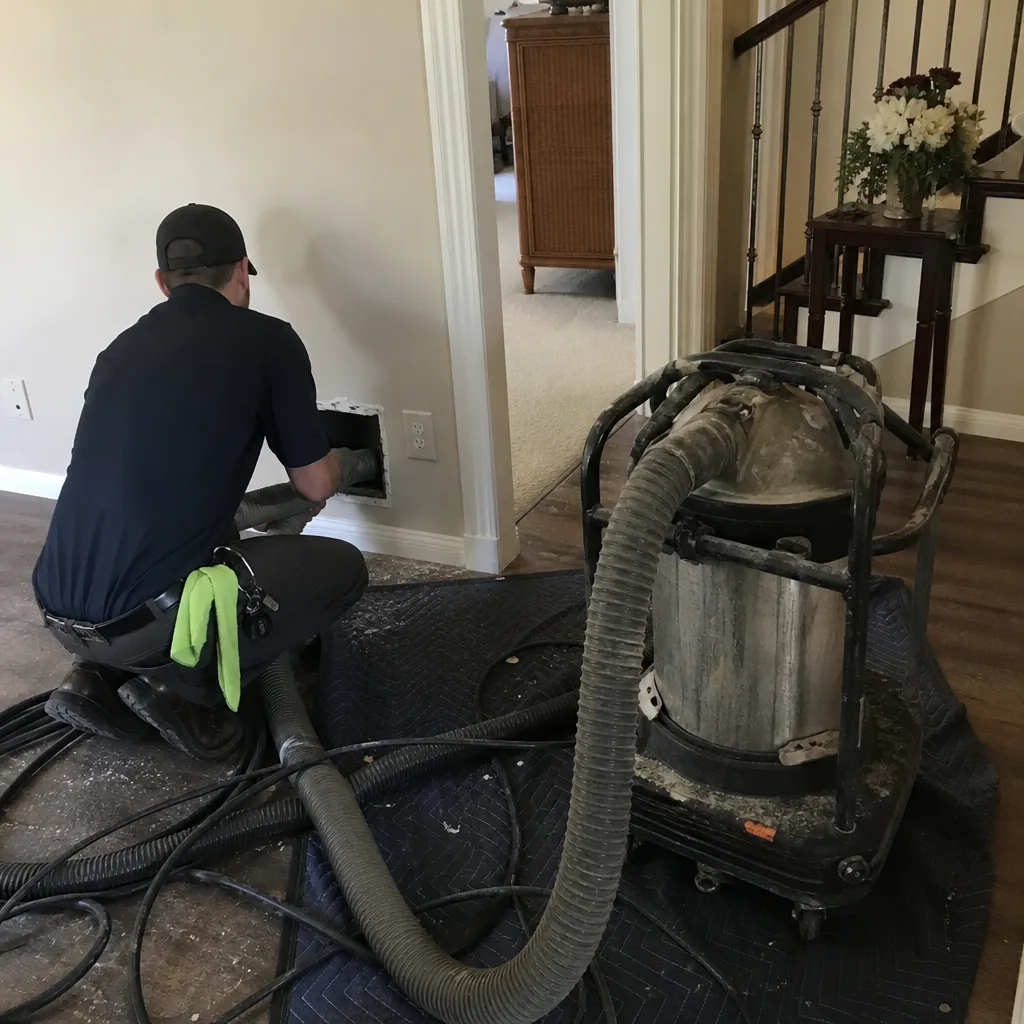 Before
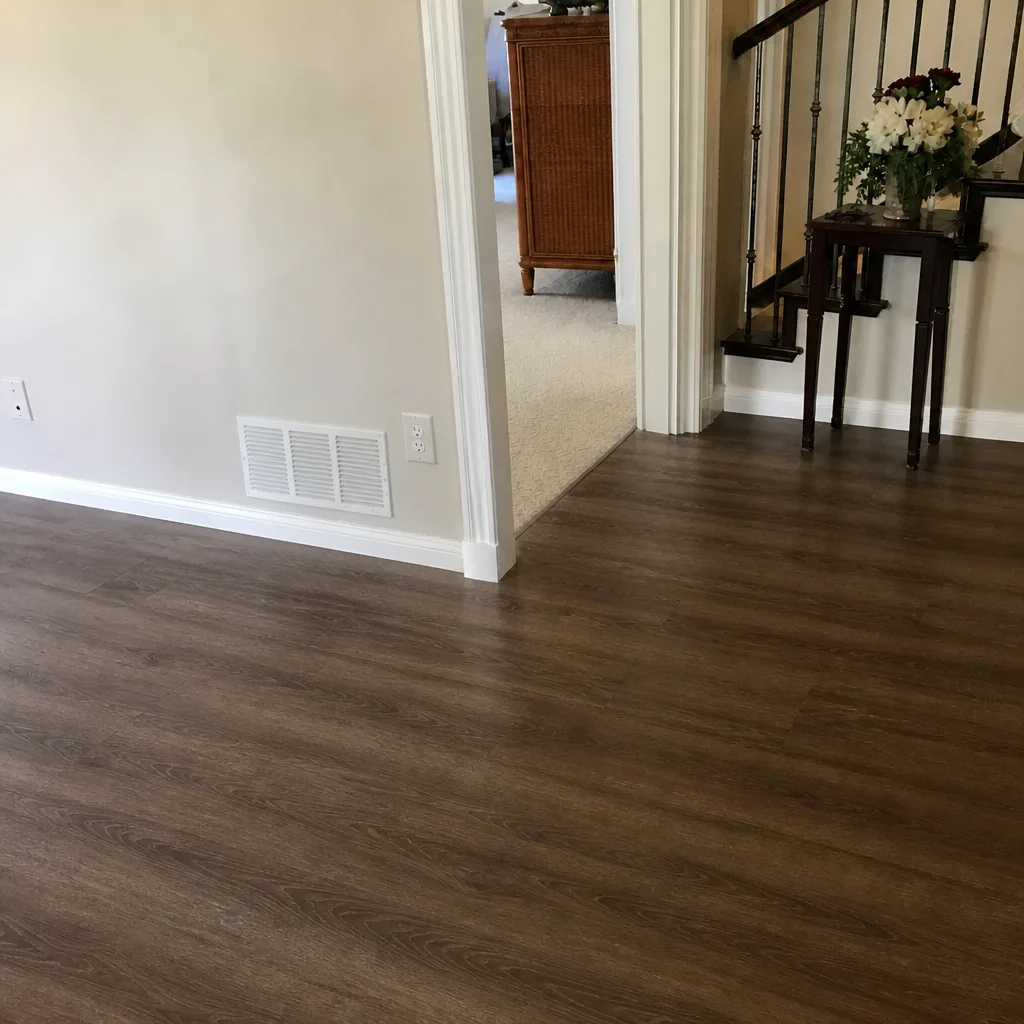 After
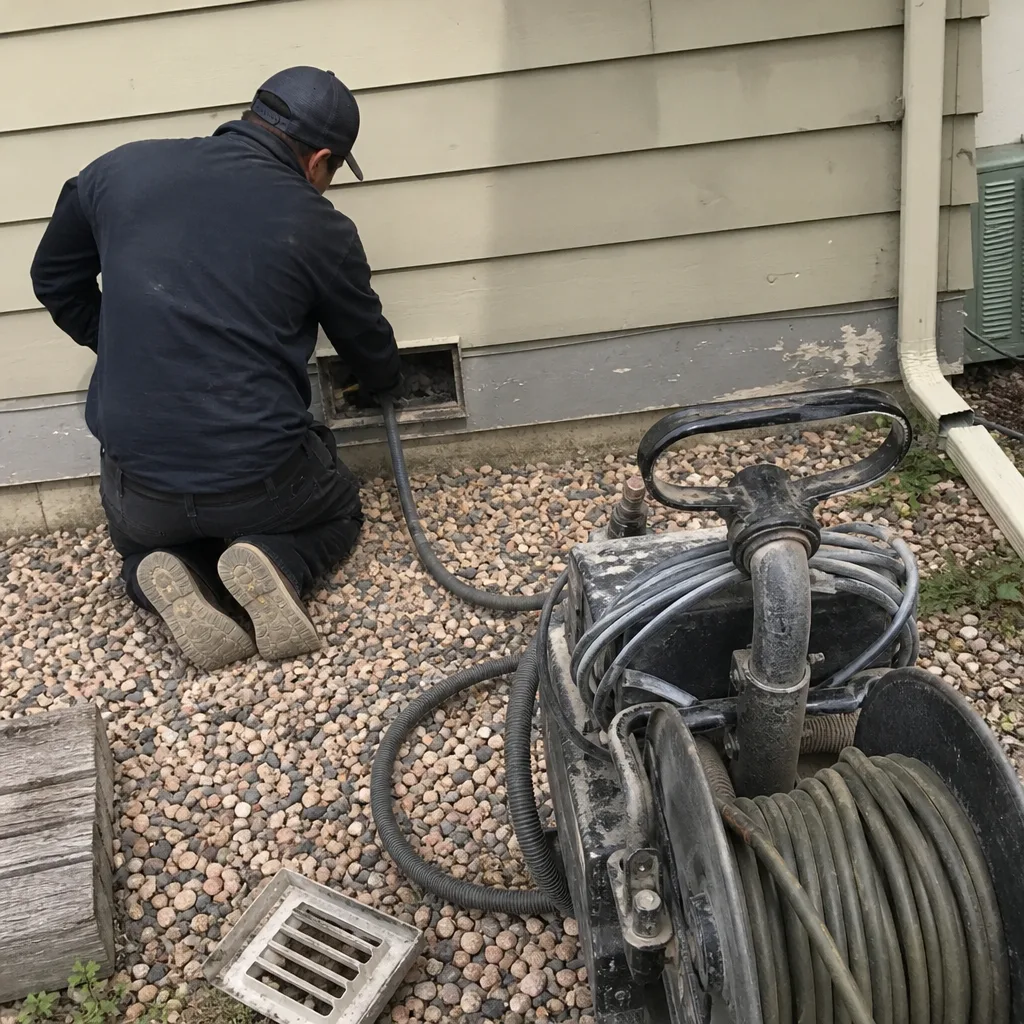 Before
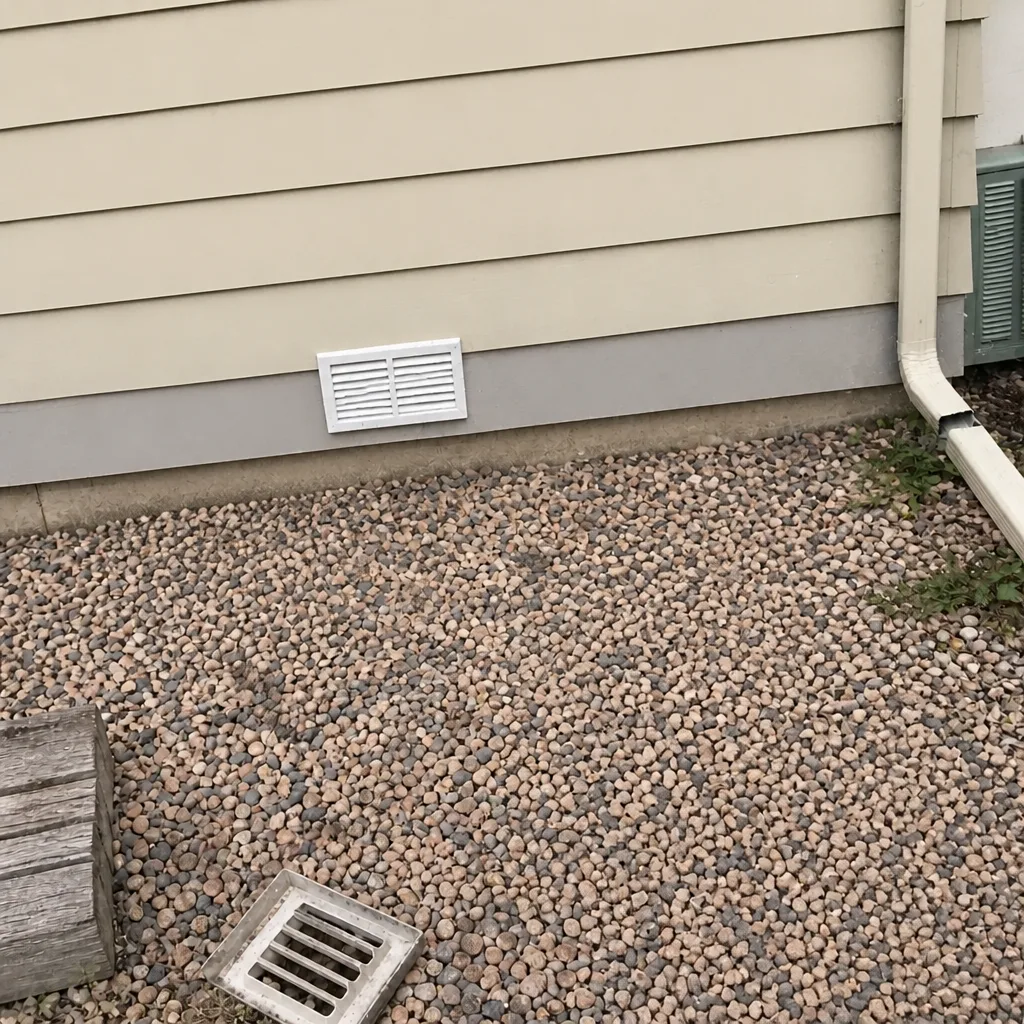 After
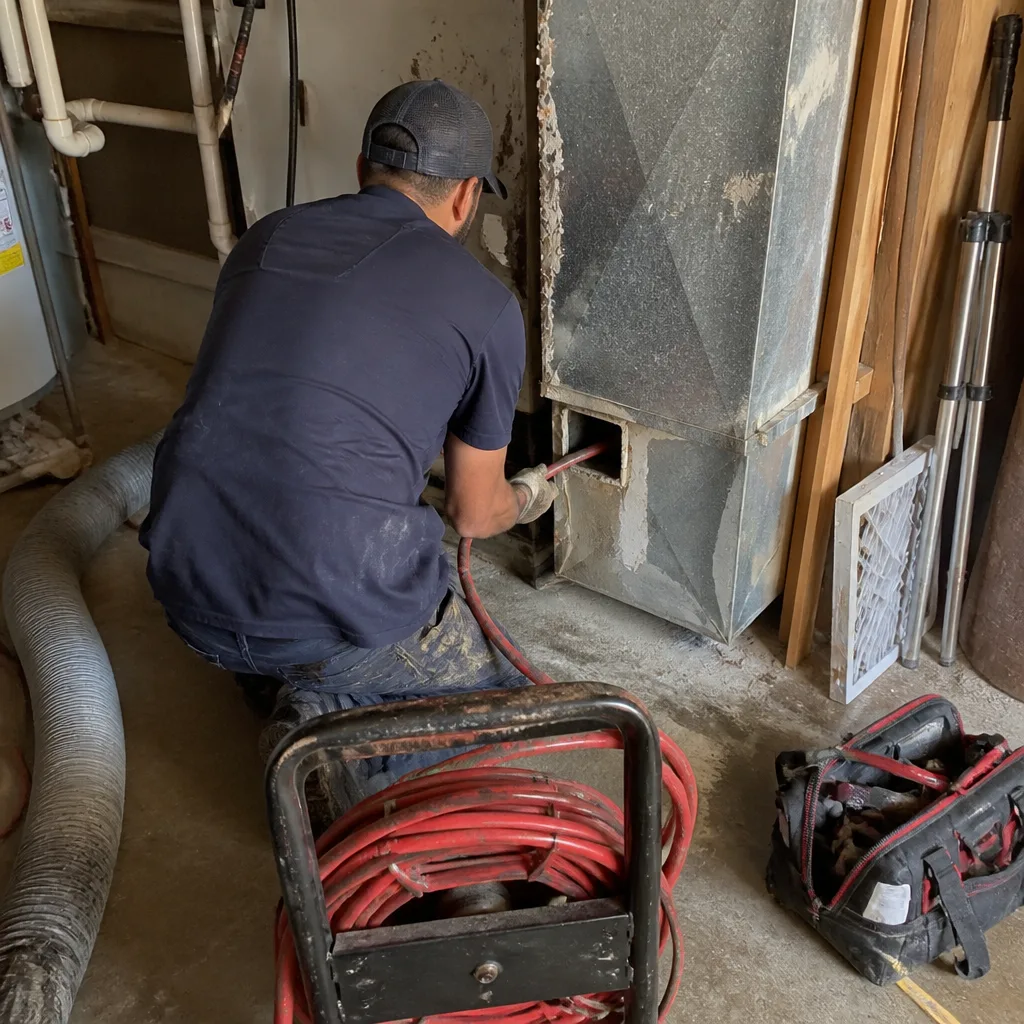 Before
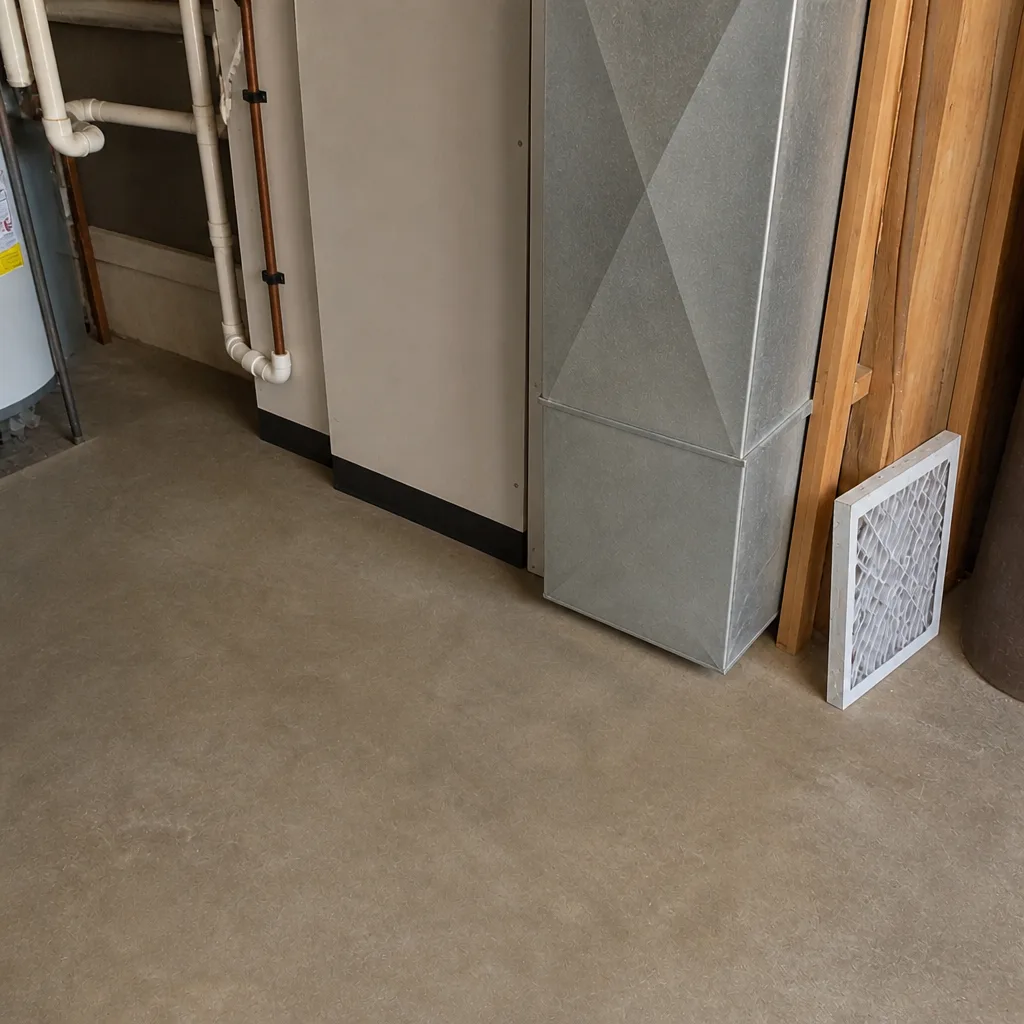 After
When to Call a Professional
Call when you’ve found two or more of the warning signs in this guide together, or when any single sign is severe: a heavy puff of dust at startup, an odor that returns every cycle, one room that has never matched the rest of the house, or visible buildup at the air handler. A failed tape joint or flex duct tear needs a repair-capable provider, not just a cleaning. If you’re seeing brown staining at the coil housing or a discolored drain pan, have the system evaluated before you run it through another season. Arvada Air Duct Cleaning Pros offers free estimates in Arvada; call (866) 623-9426 to schedule an evaluation. One flat price per system is agreed before work starts, and every job includes before-and-after photos of your own ducts.
Frequently Asked Questions
The most common warning signs are dust that ejects from registers at blower startup, odors that appear only when the HVAC runs, allergy symptoms that track system runtime rather than outdoor exposure, one room that runs several degrees off from the rest of the house, and visible buildup or staining at the air handler. Two or more of these together is the trigger point for a professional evaluation. Call (866) 623-9426 for a free estimate.
There’s no single interval that fits every home; the honest answer is that it depends on visible signs and system condition rather than a calendar. A home with a failed tape joint, a flex duct tear, or a chronically wet coil needs attention regardless of when it was last cleaned. A home with none of the warning signs in this guide can go longer. Watch for the signs rather than marking a date. Call (866) 623-9426 for an exact assessment.
Very cheap quotes usually cover a partial service: ducts vacuumed from the register face without mechanical agitation, no air handler inspection, no HEPA source-removal, and no repair or sealing after cleaning. The larger bill for the same job often arrives once the technician is on site and shows what the low price didn’t cover. Ask for a flat price per system in writing before work starts. Call (866) 623-9426 for a written quote.
Before-and-after photos of your own ducts are the simplest proof: they show the interior condition before cleaning and the same duct after. Beyond photos, the process itself is verifiable: mechanical agitation plus HEPA source-removal vacuums connected to the system, air handler and coil cleaned as part of the job, and any discovered repairs sealed on the same visit. Ask any provider to walk you through their method before they start. Call (866) 623-9426 to schedule a free estimate.
Duct contamination can contribute to allergy symptoms when the debris load is being distributed through the living space with each cycle. The pattern that points to the ducts is symptoms that track HVAC runtime rather than outdoor pollen counts: worse in the hours after a long heating or cooling cycle, better when the system is idle. Call (866) 623-9426 for a free estimate if that’s your pattern.
Get a repair-capable provider to evaluate it, not just a duct cleaner. A torn flex run or failed tape joint is a supply-air leak that reduces airflow to the room and adds a contamination path, and it gets worse with time. It’s fixable, and it’s best fixed on the same visit as a cleaning rather than as a separate project. Included in every Arvada Air Duct Cleaning Pros evaluation is a repair and sealing review. Call (866) 623-9426 to get on the schedule.
The Bottom Line
The warning signs in this guide all point to the same underlying fact: the ducts are part of the system, and they fail quietly. Dust that puffs from registers, odors that track the thermostat, allergies that match HVAC runtime, and rooms that never match the house all describe duct conditions rather than equipment failure. For Arvada homes in ranch and tri-level layouts, the flex duct, tape joint, and return chase conditions described here are worth a deliberate check rather than a passing glance. When two or more signs stack up, a professional inspection with mechanical agitation and HEPA source-removal, followed by repair and sealing where needed, addresses the full system in a single visit.
Contact
If this guide describes your home, the next step is a real evaluation rather than another pass of the vacuum. Arvada Air Duct Cleaning Pros evaluates the full system: air ducts, dryer vents, HVAC components, and the sanitizing that finishes the job. If we find a gap, a tear, or a loose connection during cleaning, we seal it on the spot. We answer 24/7. Fast dispatch from 7am to 7pm, Sunday through Friday. Call (866) 623-9426 for a free estimate.
Written by the team at Arvada Air Duct Cleaning Pros.