
Last updated November 23, 2026
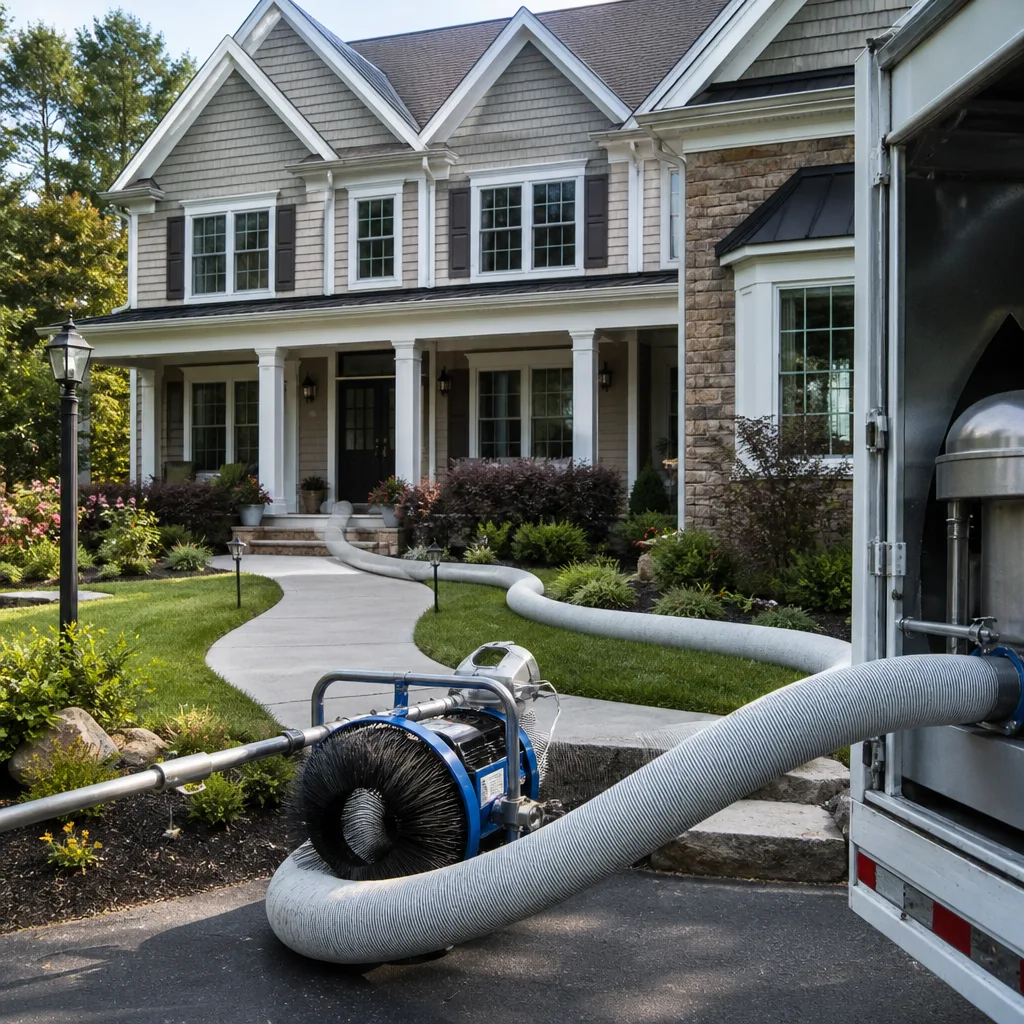 Whole-home duct cleaning
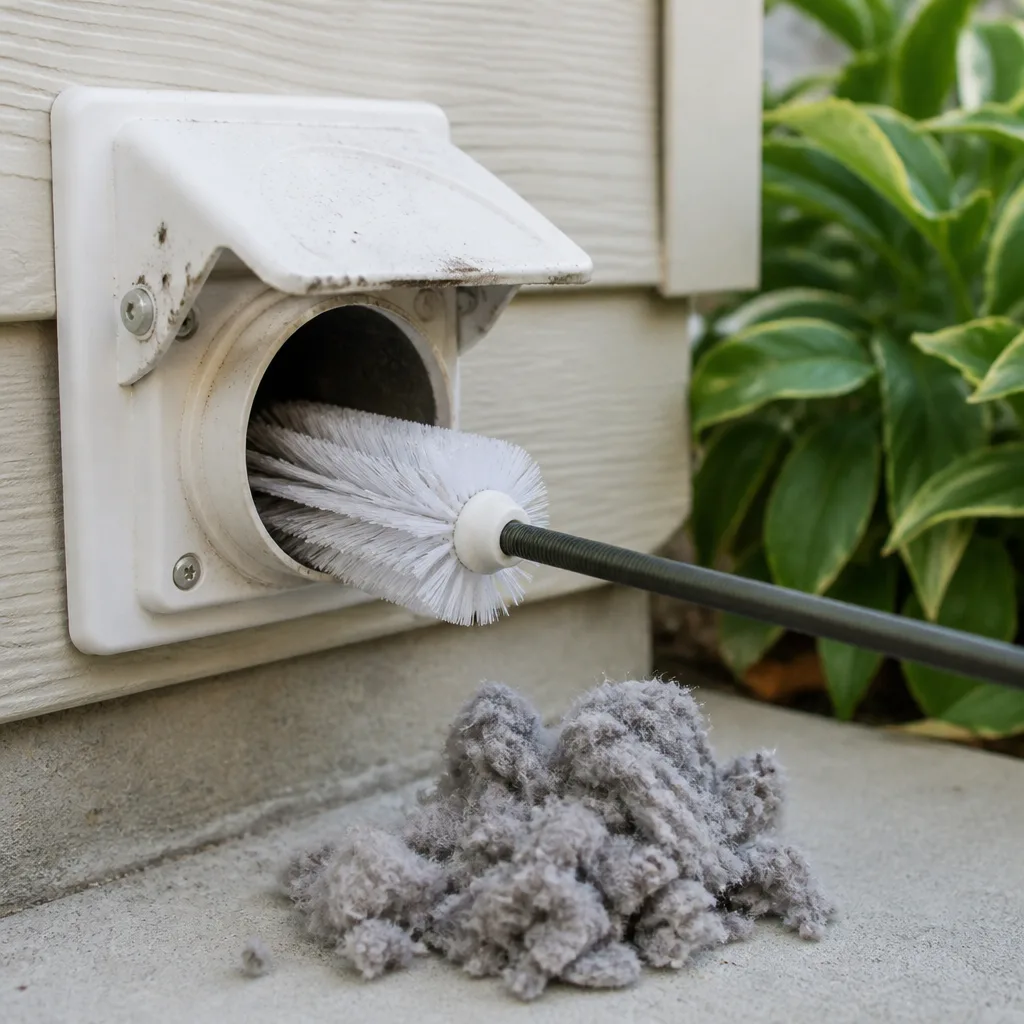 Dryer vent cleaning
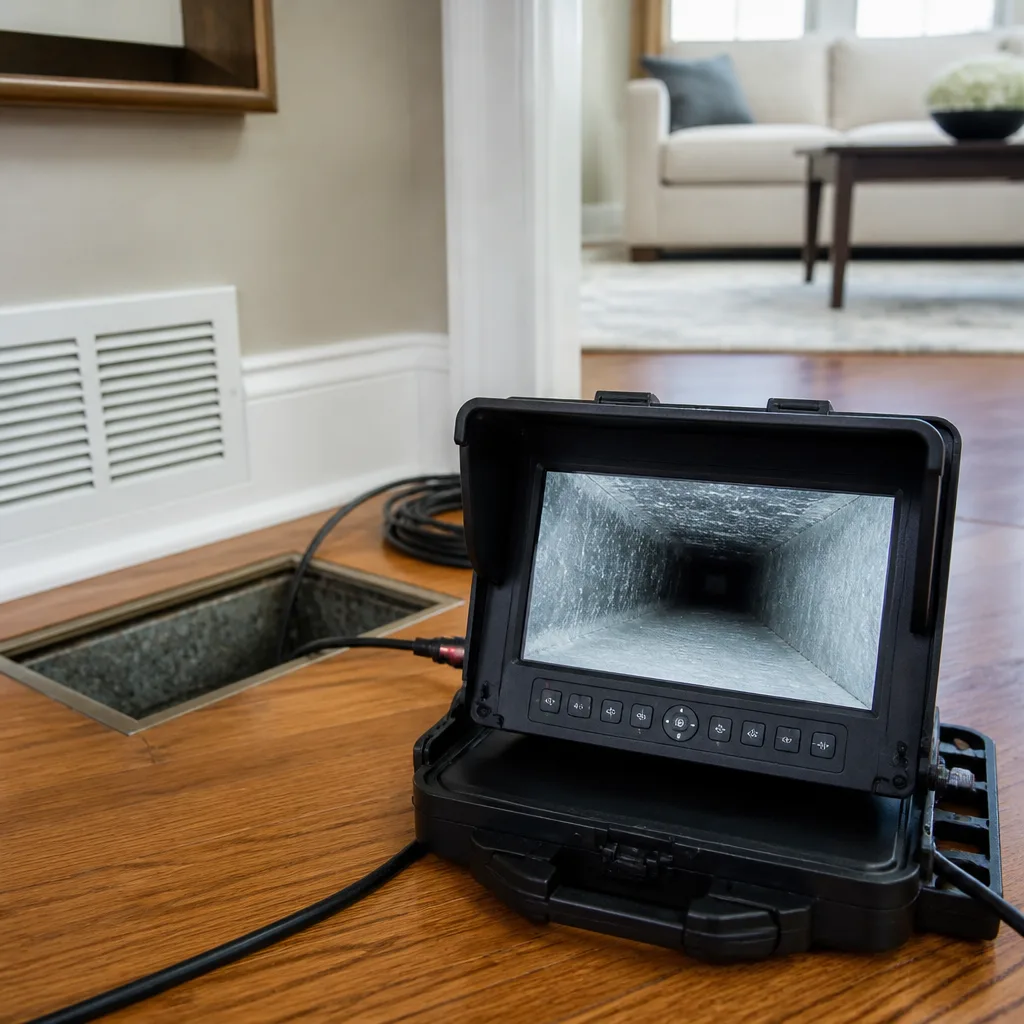 Camera inspection
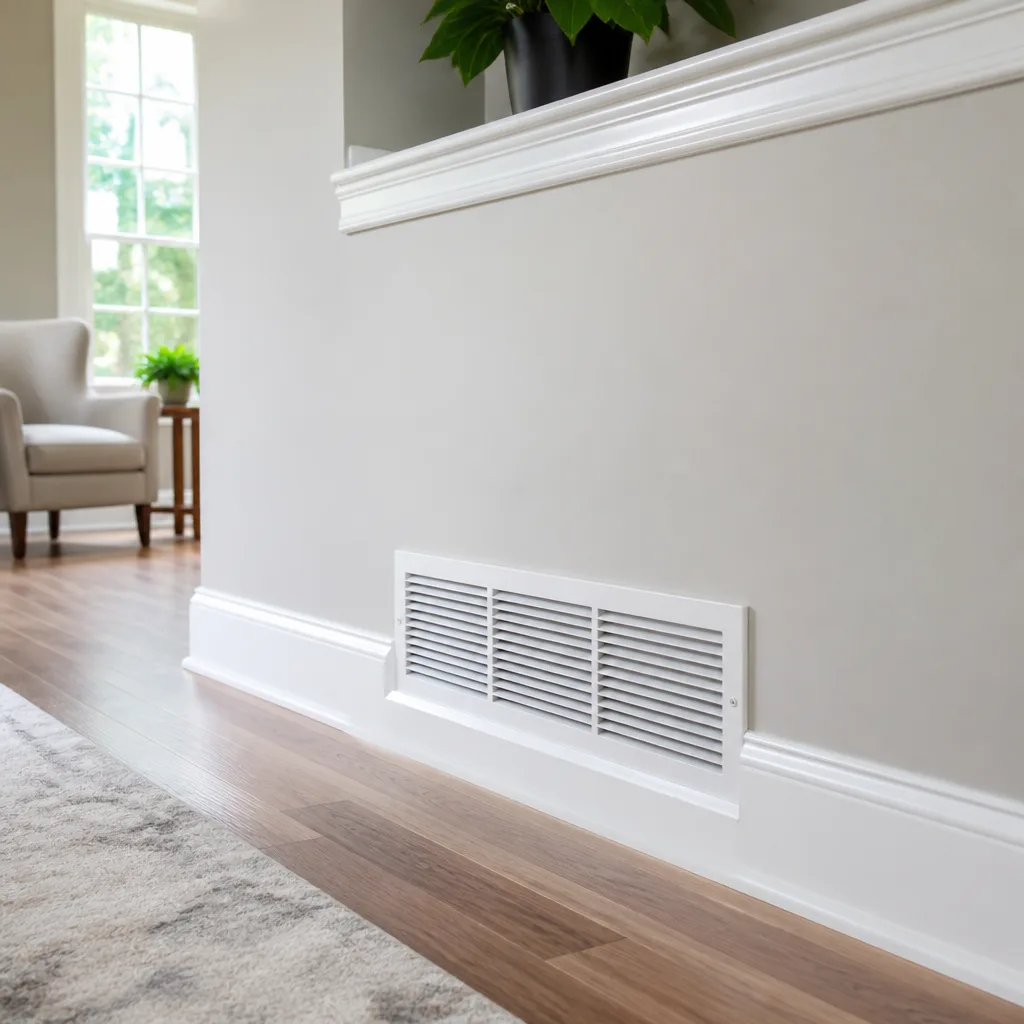 Sanitizing & deodorizing
Whole-system duct and dryer vent check with before-and-after photos - you see exactly what came out of your vents
That "$99 whole-house special" is a bait ad - the real number appears once they are in your hallway, or the "clean" is a shop-vac at the register. We photograph the inside of your ducts before and after instead.
The Complete Guide to Air Duct Cleaning in Arvada
Most duct cleaning companies in Arvada will quote you a cleaning schedule before anyone has looked inside a single duct. That gets the sequence backward. The EPA has never recommended a standard cleaning frequency, and that silence is the point: duct contamination varies from house to house, which means the right interval for your home is a conclusion you reach after an inspection, not a number a salesperson recites over the phone. This guide explains what a full-system evaluation actually involves from start to finish, why Arvada’s clay-heavy soils and dry high-altitude air shape the dust load in your ductwork differently than in other Colorado cities, and how to read a post-cleaning report so you can tell real work from a hose waved in a vent.
Quick Answer
Air duct cleaning in Arvada is a multi-step diagnostic service, not a single pass with a vacuum. A proper job starts with airflow and static pressure measurement, moves into mechanical agitation and HEPA-filtered source removal across every interior duct surface, and ends with before-and-after documentation that proves the system actually improved. Whether your Arvada home needs it now depends on what an inspection finds, not on a calendar.
Styles & brands we work with
- Whole-home duct cleaning
- Dryer vent cleaning
- Camera inspection
- Sanitizing & deodorizing
Table of Contents
- Why Arvada Homes Face a Different Duct Problem
- What NADCA’s ACR Standard Actually Requires
- Static Pressure Testing: How You Verify a Cleaning Worked
- How a Dual-Method Cleaning Works, Step by Step
- How to Read a Post-Cleaning Report
- When Cleaning Alone Isn’t Enough
- How Often Does It Really Need Doing?
- Choosing an Arvada Duct Cleaning Company
Why Arvada Homes Face a Different Duct Problem
Arvada sits at the edge of the Front Range, and that geography shapes what ends up in your ductwork. Our clay-heavy soils hold particles differently than the sandy ground you’ll find in lower-elevation plains towns. When wind moves across exposed soil, especially around newer construction and re-graded lots, fine clay dust lifts and travels. Homes along the western edge of Arvada near the foothills catch more of that wind-driven particulate than homes tucked into sheltered neighborhoods, and the ducts collect whatever the returns pull in.
Layer onto that the climate itself. Arvada’s high-altitude air is dry, and dry air carries fine particulate well. It also means your furnace and air handler run long stretches in heating season with low indoor humidity, so the electrostatic charge on dust behaves differently than in humid climates: particles cling to duct surfaces and settle rather than clumping and moving through. That’s why homes in Arvada neighborhoods like Olde Town, Ralston Valley, and the communities off Candelas often show a light, even coating along the duct walls rather than the heavy localized buildup a coastal or humid-climate home might develop.
The practical takeaway: contamination in Arvada tends to be fine, widely distributed, and easy to spread back into living space if a cleaner uses a weak vacuum without proper filtration. It also means “the ducts look clean” is a poor test here. Fine clay dust on a galvanized duct wall doesn’t announce itself. You only know what came out when the vacuum is HEPA-filtered and the before-and-after evidence is documented.
What NADCA’s ACR Standard Actually Requires
The NADCA ACR standard (Assessment, Cleaning, and Restoration) is the industry reference for how duct cleaning should be done. It’s not a mandate, anyone can call themselves a duct cleaner, but it’s the yardstick you should measure any Arvada company against. And the gap between what the standard requires and what budget cleaners skip is wider than most homeowners realize.
Here’s what a standard-aligned job actually requires:
- Cleaning every interior duct surface, not just the trunk lines. That means reaching into branch runs, boots, and the transitions where ducting meets registers. A cleaner who only cleans the main trunk has cleaned roughly one part of the system and left the rest of the dust layer sitting in the branches that feed each room.
- Mechanical contact agitation. Dust that has settled and stayed attached to duct walls doesn’t lift off from suction alone. The standard calls for agitating the surfaces so debris is dislodged and can be captured.
- Source removal under negative pressure with HEPA filtration. The vacuum pulls contaminants out of the system instead of pushing them into the room. A shop-vac setup recirculates fine particulate back into your air. We use mechanical agitation combined with HEPA source-removal vacuums: debris comes out of your home, not back into it.
- Cleaning the HVAC components, not just the ducts. Coils, blower, and plenum are part of the airflow picture. Leaving them dirty means the ducts re-soil quickly.
- Protection and documentation. Registers, floors, and nearby surfaces get protected before the work starts, and the condition of the system gets documented so the homeowner has a record.
What budget cleaners skip most often: contact cleaning of the branch runs, HVAC component cleaning, and any real verification that the work changed anything. If a quote in Arvada looks unusually low, ask which of the above they include. The answer tells you whether you’re buying a cleaning or a cosmetic visit.
Static Pressure Testing: How You Verify a Cleaning Worked
Here’s the step almost no duct cleaning company performs in Arvada, and it’s the one that separates a verified job from a hopeful one. Static pressure testing measures the resistance in your duct system before and after cleaning. A duct system that’s loaded with debris, or that has partial blockages or leaks, shows higher static pressure because the blower has to work harder to push the same airflow. Testing before and after gives you a number, not an opinion.
Why does that matter? Because “the ducts look clean” is a visual impression, and fine dust in Arvada doesn’t always leave an obvious visual signature. A blower that was straining against excess pressure and now isn’t tells you the system actually changed. Paired with airflow measurement at the registers, you have a before-and-after record of performance rather than a promise.
The way we approach it: measure static pressure and airflow at key points first. That establishes the baseline and often reveals exactly where the system is restricted, which is information the cleaning itself should address. Then clean, then measure again at the same points. The delta you see is the difference between cleaning that improved how your Arvada home breathes and cleaning that just moved some dust around. We also note filter condition and how quickly the system loads, since a filter that’s collapsing under negative pressure can look dirty when the real problem is misalignment or a filter grille that’s too small.
If you’re evaluating quotes, ask whether the company measures airflow and static pressure before and after, or just cleans. The second answer is common. The first is the one that tells you something.
How a Dual-Method Cleaning Works, Step by Step
A proper full-system cleaning is a sequence, not a single tool. Here’s the process in order:
- Inspection and baseline measurement. We map the system, measure static pressure and airflow, and photograph the interior of accessible duct runs before any cleaning starts. This is where the real condition of the Arvada home’s ducts gets documented.
- Protect the home. Registers, vents, and surrounding surfaces get covered before equipment goes in. Negative pressure gets established so the system is under capture during the entire job.
- Mechanical agitation of duct surfaces. We use Rotobrush mechanical agitation to contact-scrub the interior duct walls and branches, loosening the bonded fine dust that the Arvada climate produces. This is the step that separates contact cleaning of all surfaces from a pass over the trunk lines.
- HEPA source removal. Nikro and Abatement Technologies HEPA-filtered vacuums pull the dislodged debris out under negative pressure. Captured, not recirculated.
- HVAC component cleaning. Coils, blower, drain pan, and plenum get cleaned as part of the system. Ducts don’t stay clean if the air handler is still coating them.
- Post-cleaning measurement and verification. Static pressure and airflow get re-measured at the same points. Interior ducts get photographed after. You get the comparison.
We also offer HVAC cleaning as a stand-alone service when the ductwork is fine but the components need attention, and dryer vent cleaning as part of the same visit, since the two systems share their exposure to household dust and lint. Most cleaners stop at the ducts. We evaluate the dryer vent, the HVAC unit, and the air quality picture as a whole, because in an Arvada home those three systems are linked.
How to Read a Post-Cleaning Report
You shouldn’t have to take a cleaning on faith. A proper report gives you three things you can read for yourself, and if any of them is missing, that’s your answer about the quality of the job.
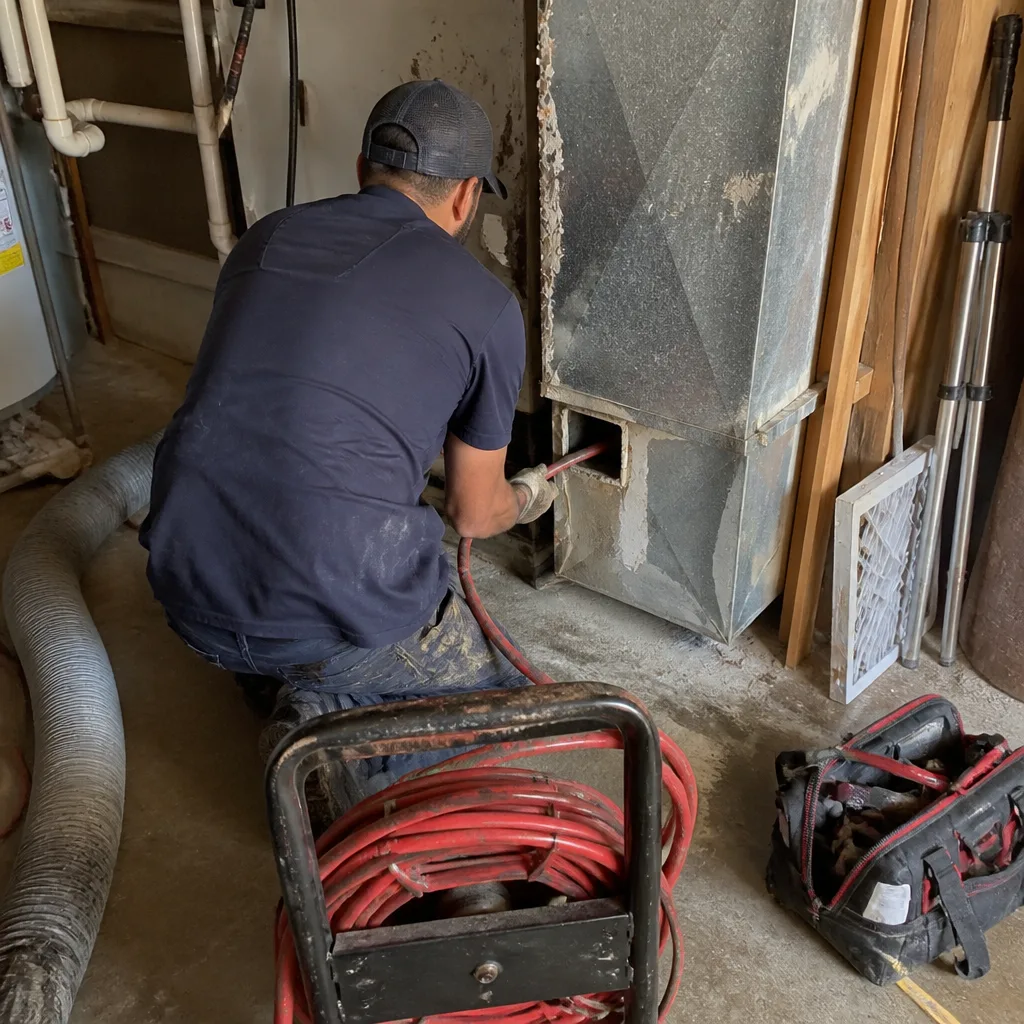
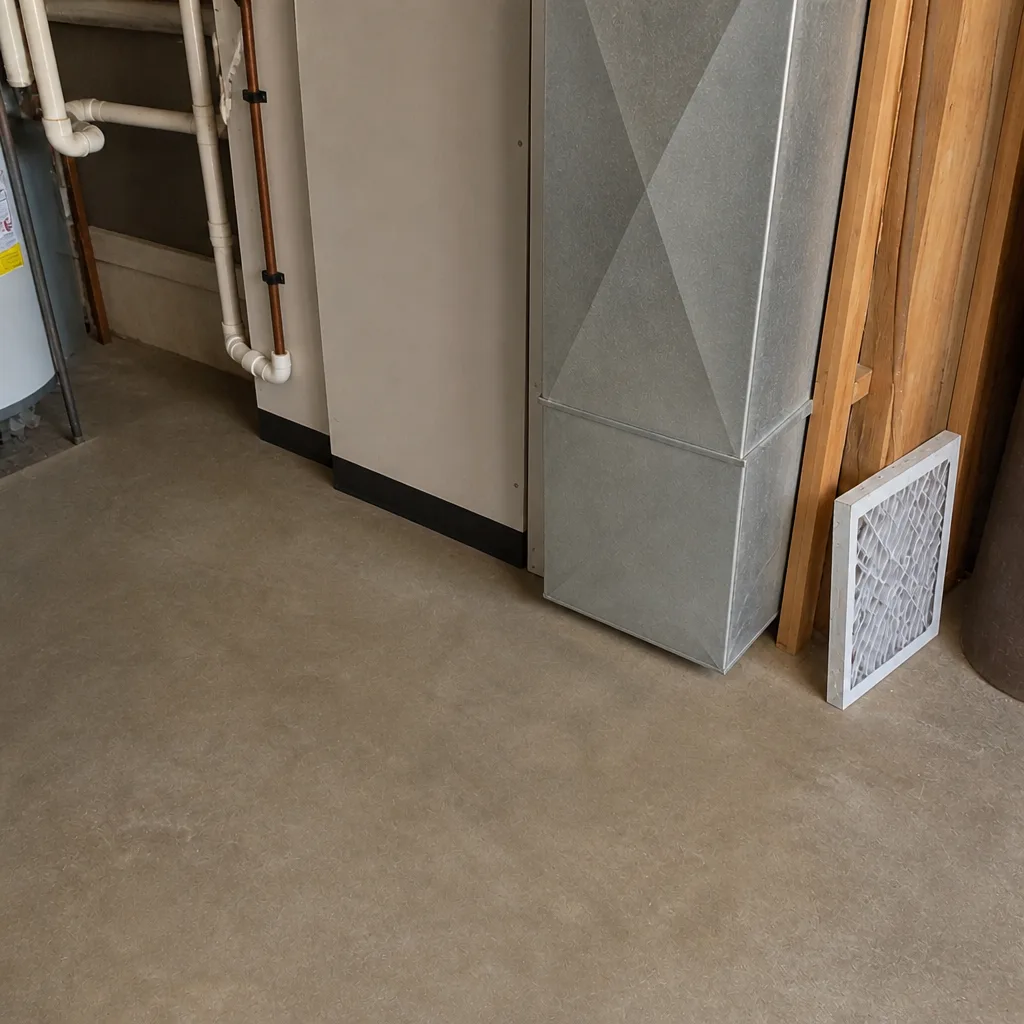
- Before-and-after photos of your own ducts. Not stock images, not “typical results”, your actual duct interiors. We document these on every job. If the cleaner can’t produce them, they can’t demonstrate what changed.
- Static pressure and airflow readings, before and after. The numeric proof. Same measurement points, same method, so the comparison is valid. This is the most useful part of the report and the part you’re least likely to receive.
- Filter condition documentation. What the filters looked like when we arrived, what was replaced or cleaned, and what condition the system is set up to run in going forward. A filter situation matters in Arvada because dry air accelerates fine dust loading.
Read the report like you would a contractor’s punch list: photos where the work happened, numbers that moved, and a note about what was found. If the cleaning uncovered a gap, a torn flex run, or a disconnected joint, that should appear in the report too, because that’s a repair conversation, not a cleaning one.
When Cleaning Alone Isn’t Enough
Sometimes a cleaning reveals a problem that cleaning can’t fix, and stopping the job there leaves you with a clean system that re-soils in weeks. This is where repair and sealing separate the full-system approach from a pure vacuum service. During cleaning we inspect duct condition as we go, and there are specific signs that tell us the clean needs sealing, lining, or register work alongside it.
- Loose, disconnected, or unsealed joints. Leaky ducts pull attic or crawlspace air into the system. In Arvada, that means pulling in clay dust and outside particulate directly into the ducts you just cleaned.
- Tears or gaps in flex duct. Flex runs are common in newer Arvada neighborhoods off Candelas and Ralston Valley, and where they’ve sagged or kinked, the airflow is restricted and the run gets replaced or re-sealed.
- Damaged or missing register boots. If the boot is loose in the wall or the register is the wrong size, air bypasses the intended path, and dust deposits at the gap.
- Corroded or crushed galvanized runs. Pressure loss that cleaning can’t restore.
If we find a gap, a tear, or a loose connection during cleaning, we can seal it on the spot, no second appointment and no second company. Duct repair and sealing is a capability a lot of cleaning-only providers don’t have, and it’s the difference between a clean system that holds its result and one that reloads. For whole-home air quality beyond the ductwork, we work with Honeywell and Aprilaire systems and can recommend filtration or humidity control that fits what we saw in your Arvada home, not a generic solution. From cleaning to repair to sanitizing, we handle the full duct system in a single visit, and where a sanitizing step is appropriate we use Guardsman protective treatments to add a documented antimicrobial layer that basic blow-and-go services skip.
How Often Does It Really Need Doing?
There’s no single interval that’s right for every Arvada home, because contamination rate depends on what the home is exposed to. Instead of a schedule, watch for the conditions that call for inspection:
- Visible dust or soot at the registers soon after cleaning or filter changes, which suggests something is pulling debris into the system rather than just settling in the room.
- Musty or stale odors when the HVAC fan starts, which point to moisture in the system or biological activity on the coils or in the ducts.
- Noticeable airflow drop room to room, or rooms that never seem to get enough air.
- Allergy or respiratory flare-ups that track with running the heat or air conditioning.
- Recent renovation or construction dust, which loads an Arvada system fast, particularly in newer builds where construction debris often rides along.
- A new-to-you home, where the prior owner’s duct condition is unknown.
If any of those match, an inspection with static pressure testing answers the question with data. If none match and the system is running well, waiting is a reasonable choice. The honest answer is that the right frequency for your Arvada house is whatever your measured airflow and visible condition say it is, and any company that quotes a frequency before looking is quoting a guess.
Choosing an Arvada Duct Cleaning Company
The industry has a real bait-and-switch problem: a low teaser price that becomes a much larger invoice once the technician is on site, often built on per-vent pricing that climbs with every register. Here’s what to look for, and what to ask before booking.
- One flat price per system, agreed before work starts. Not per vent, not a coupon figure that expands on arrival. The written estimate sets the final price.
- The equipment. Rotobrush, Nikro, Abatement Technologies, and Guardsman are the professional tools this work requires. A shop-vac and a brush on a pole is a different service.
- Contact cleaning of all interior surfaces. Ask specifically about branch runs and boots, not just trunk lines.
- Verification. Before-and-after photos of your ducts and, ideally, static pressure readings. If they can’t or don’t document, choose someone who will.
- Repair capability. Ask whether they can seal what they find, or whether you’ll be hiring a second contractor after the clean.
- A clear scope. Ducts, HVAC components, dryer vent, sanitizing. What’s included, in writing, before anyone touches a register.
Our technicians have up to 10 years of experience, and our free estimate sets the flat system price and scope in advance, before any work begins. Our equipment is the same professional grade used by certified restoration specialists. You can read more about the core service on our air duct cleaning page, and about how the team at Arvada Air Duct Cleaning Pros approaches the full system.
Common Mistakes to Avoid
- Booking on price alone. A quote that’s dramatically lower than the rest almost always means branch runs and HVAC components get skipped. You end up paying twice.
- Accepting per-vent pricing. It rewards the cleaner for adding registers and penalizes you for a bigger system, and it never reflects the actual condition of the ducts.
- Skipping the static pressure test. Without a before-and-after reading, you have no proof the cleaning improved airflow. You have a receipt.
- Cleaning without sealing what’s found. If a joint is disconnected and you don’t seal it, Arvada’s clay dust gets pulled right back in, and you’re cleaning the system again sooner than you should.
- Forgetting the dryer vent. It’s a fire-safety component and it shares the dust exposure of the rest of the system. Treating it as separate from the ducts leaves a gap in the service.
- Trusting “we cleaned every register” without photos. Ask for before-and-after images of your own ducts. A reputable company expects the question.
- Ignoring a musty smell after cleaning. Odor when the fan starts points to moisture or biological activity, which usually needs sanitizing and an inspection of the coils, not another vacuum pass.
See the difference
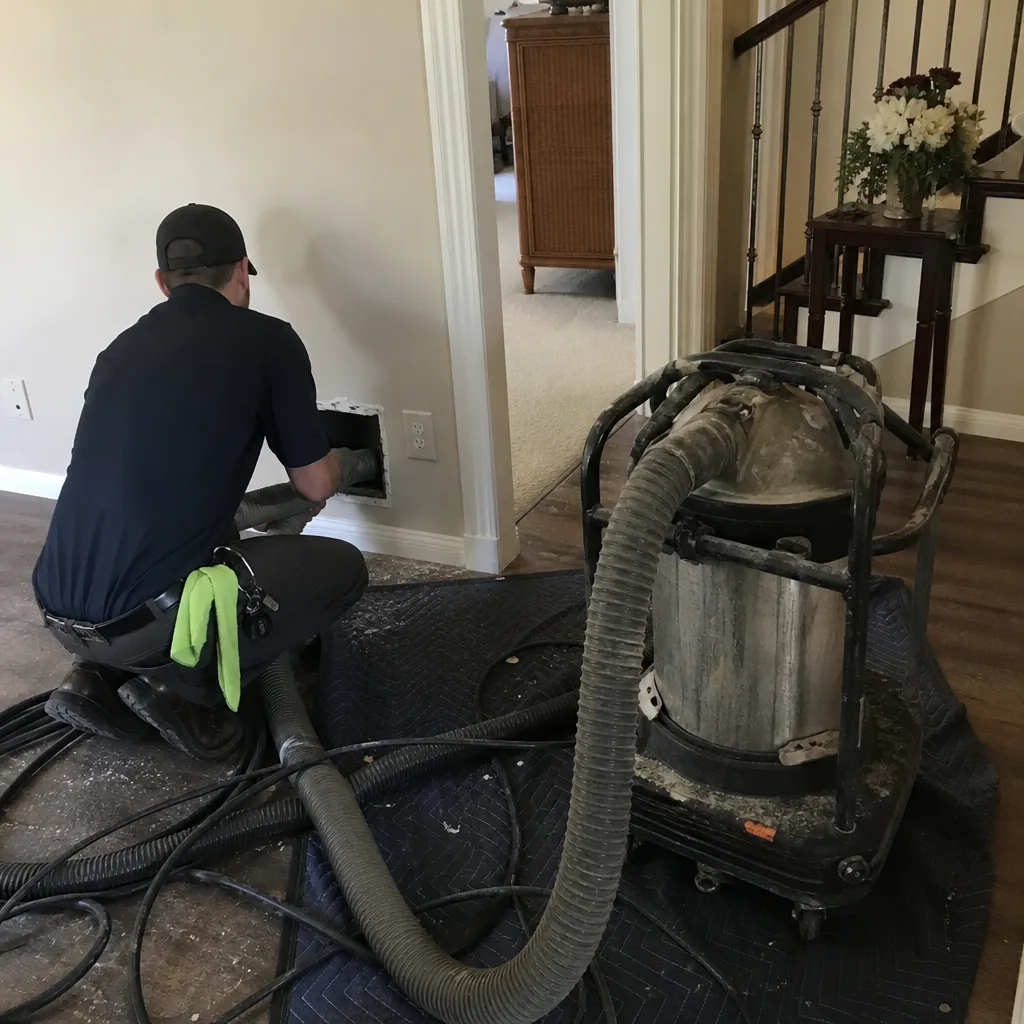 Before
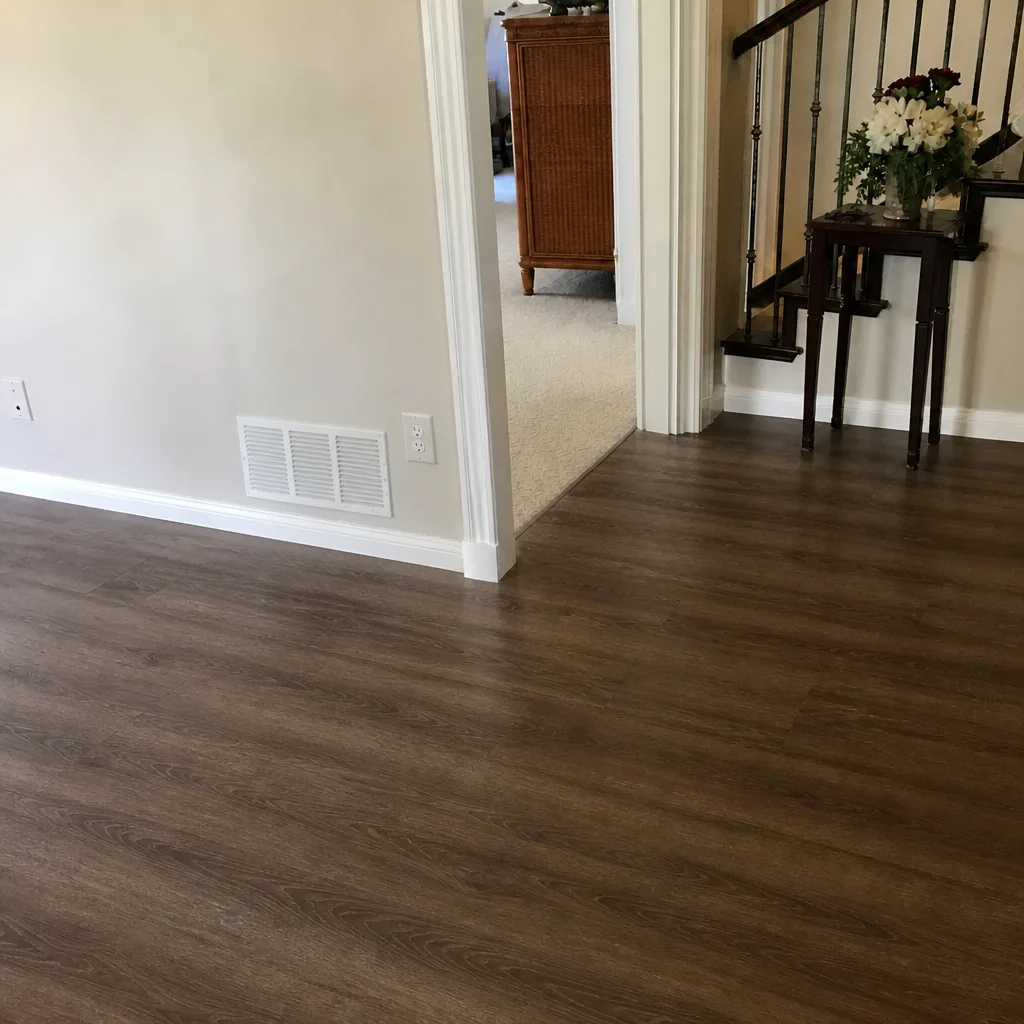 After
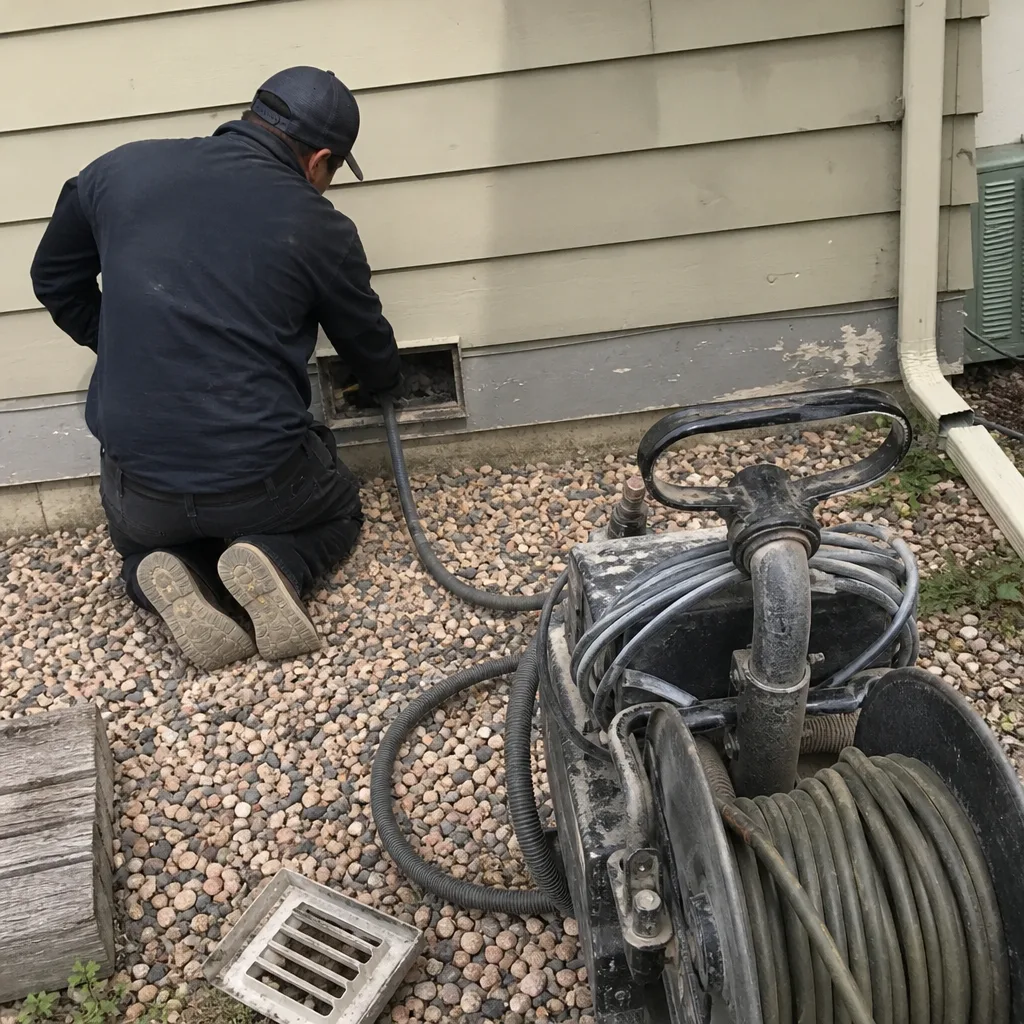 Before
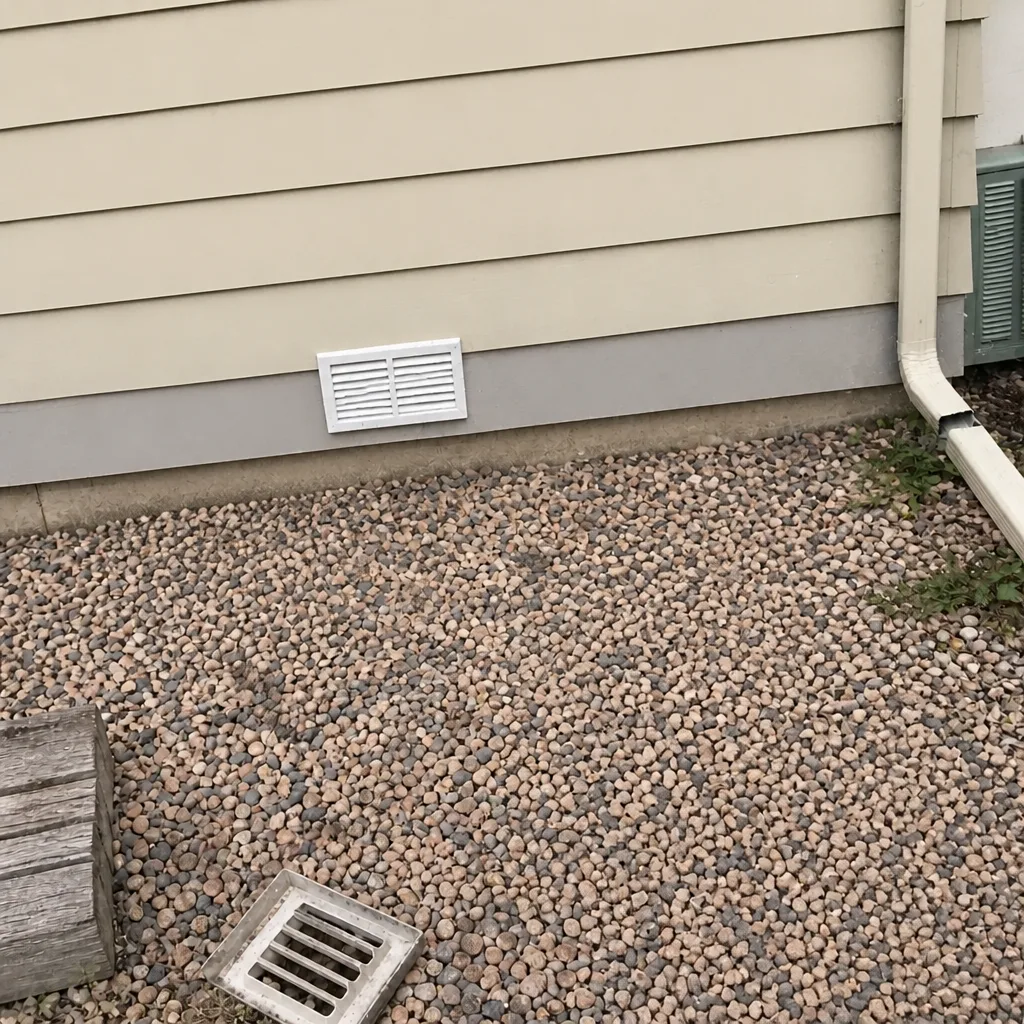 After
 Before
 After
When to Call a Professional
Call a professional when you notice musty odors at startup, dust settling quickly on surfaces after a filter change, uneven airflow room to room, or allergy symptoms that track with your HVAC running. Call if your Arvada home has been through a renovation, if you’ve recently moved in, or if you can’t remember the last time the system was inspected. Call if a prior cleaning left you with gaps or tears that nobody addressed. And call if you want the actual condition of your ductwork measured, not guessed. A free inspection with static pressure testing tells you whether your system needs work and what that work involves. Arvada Air Duct Cleaning Pros offers free estimates in Arvada. Call (866) 623-9426. We answer 24/7. Fast dispatch from 7am to 7pm, Sunday through Friday.
Frequently Asked Questions
Air duct cleaning in Arvada is priced per system by a written estimate, not per vent, and the estimate is free. The honest answer is that the price depends on the size and layout of the system, the condition found during inspection, and whether repair or sealing is needed alongside the cleaning. A quote given before anyone has looked inside a single duct is a guess. Call (866) 623-9426 for an exact quote and a flat system price agreed before work starts.
Cheap quotes in Arvada usually skip the parts of the job you can’t see from the living room: contact cleaning of the branch runs, HVAC component cleaning, and any verification that the work improved airflow. A low teaser price that expands on site is the industry’s worst habit, and it’s why we set one flat price per system in advance. Ask any cheaper quote which surfaces and components it covers. Call (866) 623-9426 to compare apples to apples.
You should receive before-and-after photos of your own ducts and, ideally, static pressure and airflow readings taken at the same points before and after cleaning. Those are the proof points. A report without documentation leaves you taking someone’s word for it, and in Arvada’s fine-dust conditions, a duct that looks clean isn’t the same as one that measured clean. Ask for the documentation up front. Call (866) 623-9426 for a free estimate that spells out exactly what gets documented.
There’s no standard interval, and any company that quotes one before inspecting your home is guessing. The right frequency depends on what your specific system is exposed to: renovation dust, pets, filter condition, and how the dry high-altitude air affects how dust settles in your ducts. The useful approach is to inspect when you notice symptoms (dust, odors, airflow drop, allergy flare-ups) and measure the system rather than schedule it on a calendar. Call (866) 623-9426 to book a free inspection and let the readings answer the question.
When done properly, cleaning improves measured airflow, and static pressure testing is how you confirm it. A duct system loaded with fine clay dust and restricted at the branch runs reads higher static pressure, which means the blower is working harder to move the same air. After contact cleaning and HEPA removal, re-measuring at the same points shows the change. If the reading doesn’t move, something beyond cleaning (a tear, a crushed run, a loose joint) is limiting the system, and that’s a repair, not a cleaning. Call (866) 623-9426 for a free estimate that includes the baseline testing.
We can repair and seal ductwork issues found during cleaning, which means you don’t need to hire a separate contractor after the job. Gaps, tears, loose joints, and disconnected runs get addressed on the spot when we find them, so the clean system actually holds its result instead of re-soiling in the weeks after. From cleaning to repair to sanitizing, we handle the full duct system in a single visit. Call (866) 623-9426 for a free estimate in Arvada.
The Bottom Line
Air duct cleaning in Arvada works best when it’s treated as a diagnostic process, not a scheduled event. Start with inspection, measurement, and a baseline of static pressure and airflow. Clean all interior duct surfaces with contact agitation and HEPA source removal. Clean the HVAC components, because ducts don’t stay clean while the air handler is still dirty. Repair and seal anything the cleaning turns up. Then verify the result with documentation you can read for yourself. Every step has a purpose, and skipping any of them shows up in the results. If you’re ready to see what’s actually in your ducts, a free estimate with baseline testing is the place to start.
Get a Free Estimate
If your Arvada home has musty odors, dust that settles faster than it should, uneven airflow, or duct problems a prior cleaning left unaddressed, the right first step is an inspection with real measurements. We’ll document what we find, quote a flat price per system before any work starts, and handle cleaning, repair, sealing, HVAC and dryer vent work, and sanitizing as a full system. Call (866) 623-9426. We answer 24/7. Fast dispatch from 7am to 7pm, Sunday through Friday. The estimate is free, and the flat system price is set before we start.
Written by the team at Arvada Air Duct Cleaning Pros.