
Last updated November 23, 2026
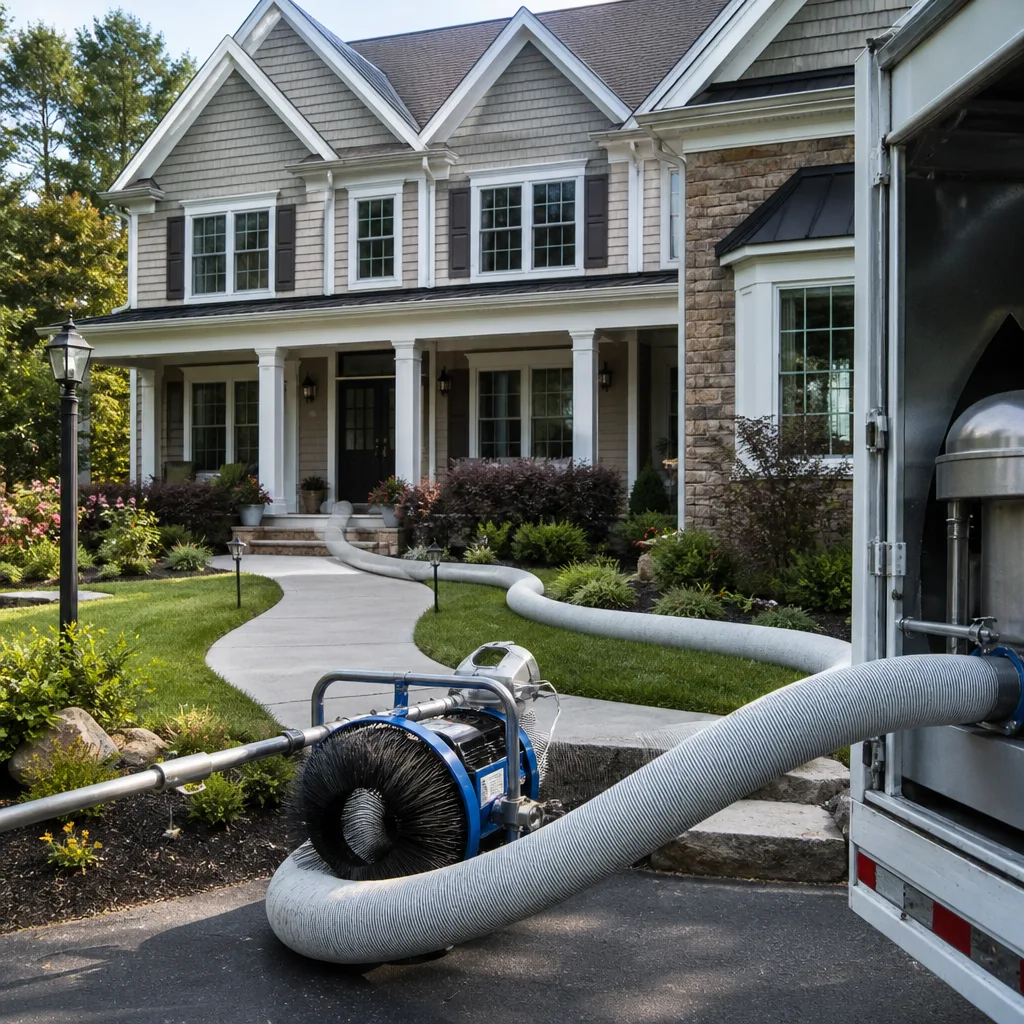 Whole-home duct cleaning
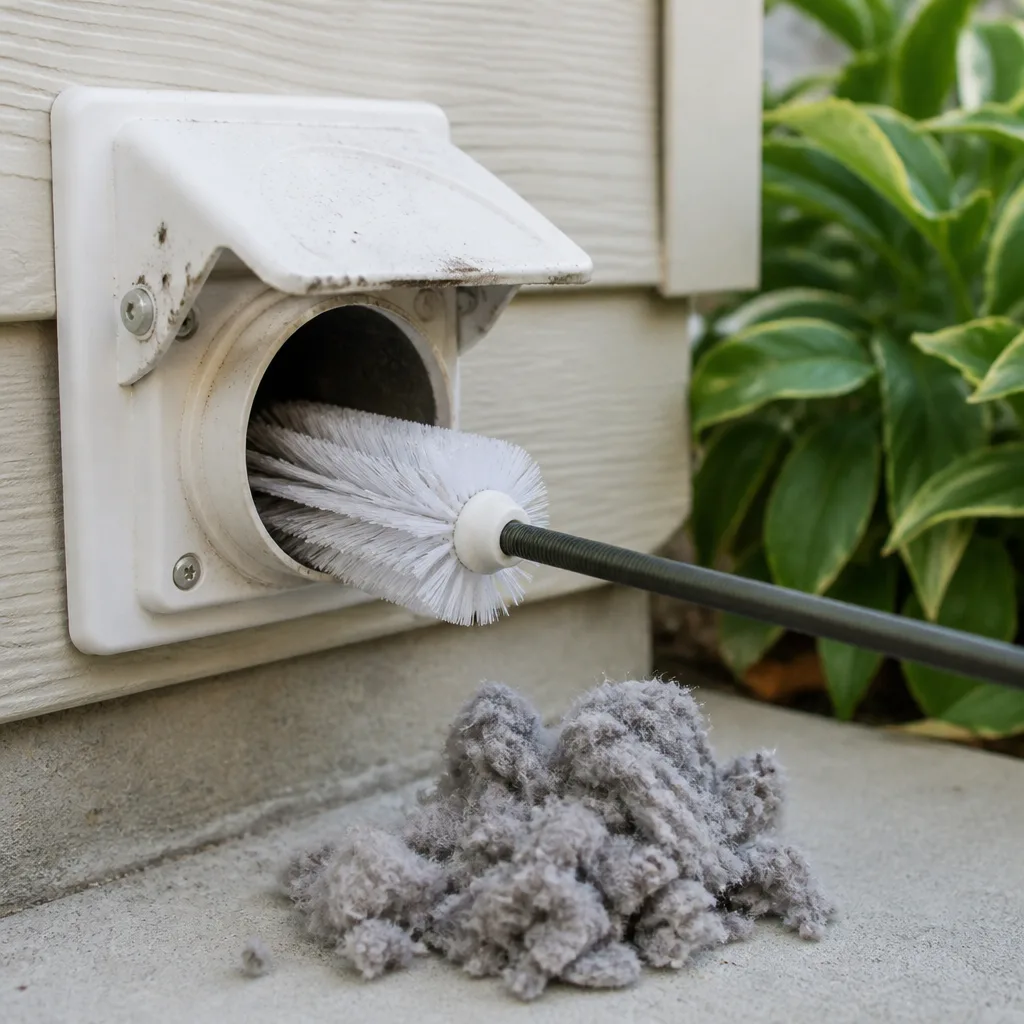 Dryer vent cleaning
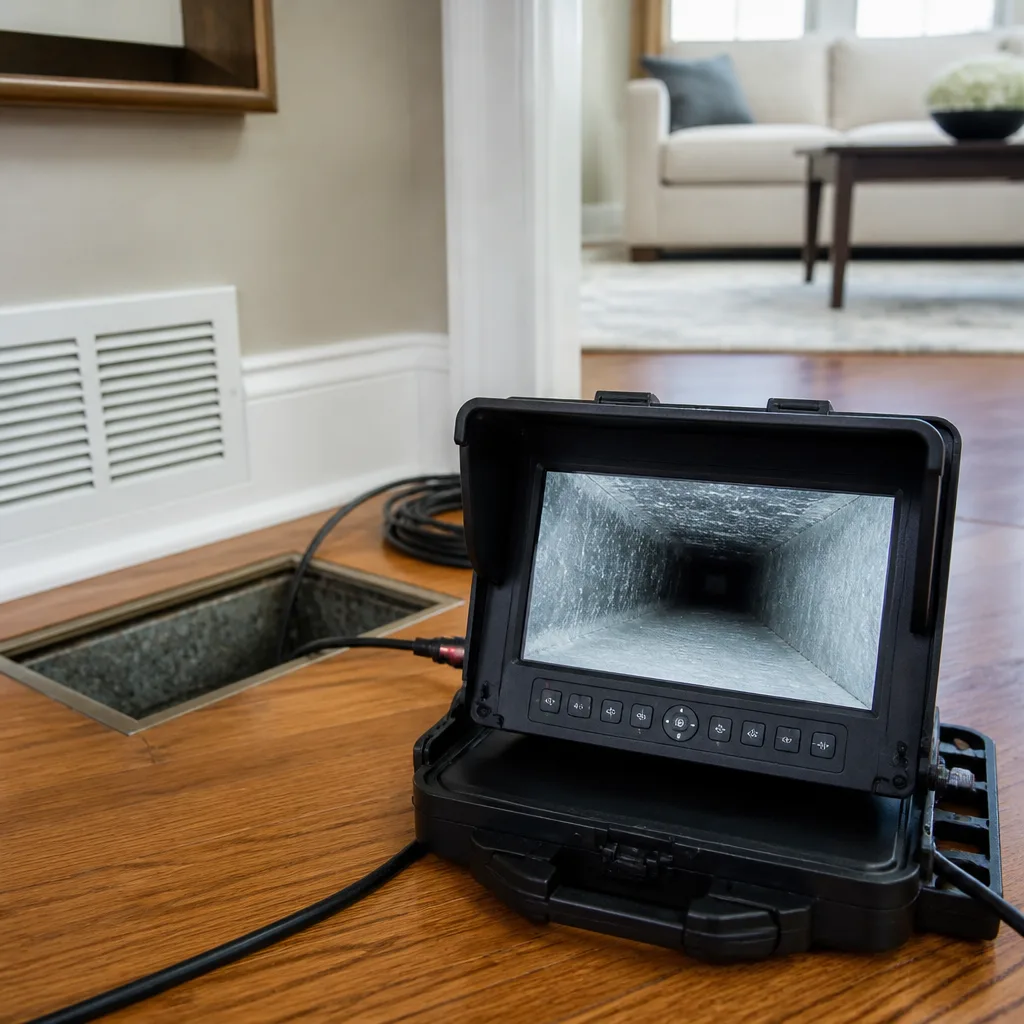 Camera inspection
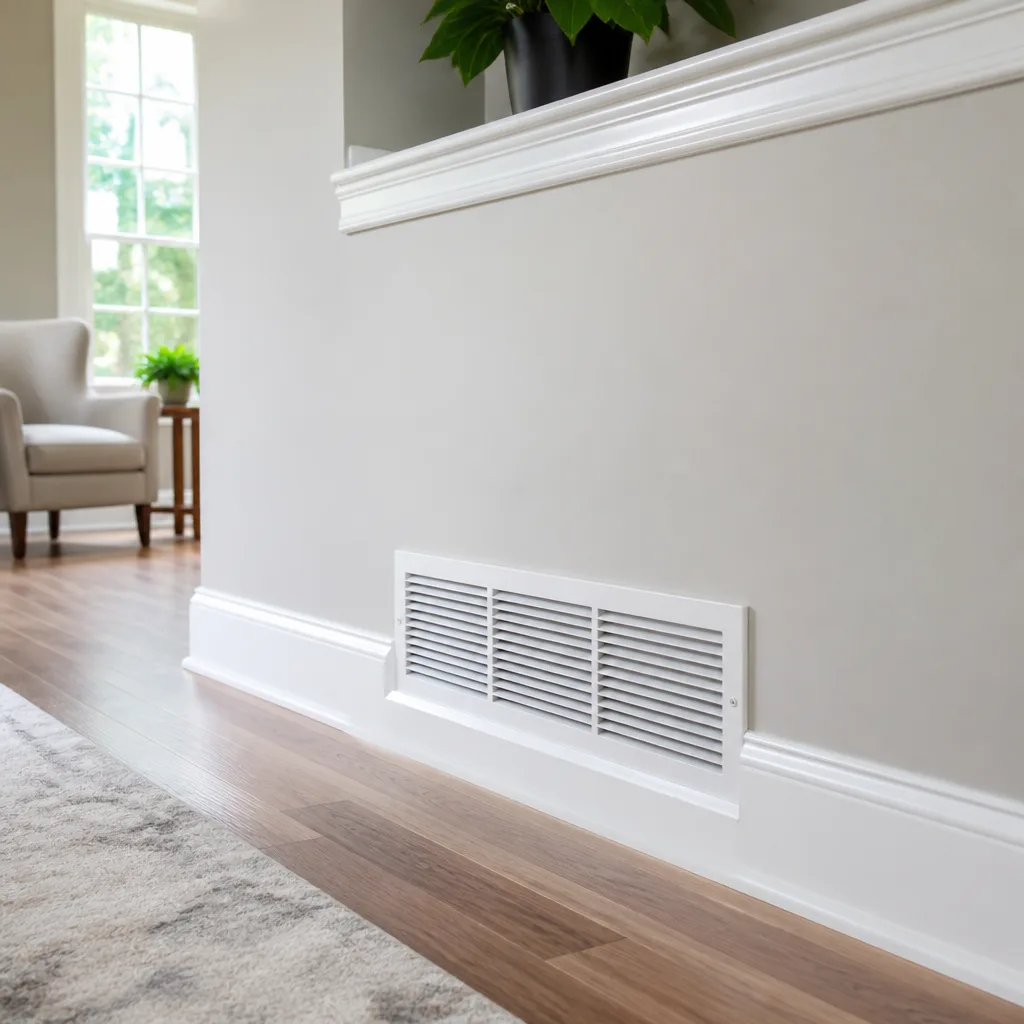 Sanitizing & deodorizing
Whole-system duct and dryer vent check with before-and-after photos - you see exactly what came out of your vents
That "$99 whole-house special" is a bait ad - the real number appears once they are in your hallway, or the "clean" is a shop-vac at the register. We photograph the inside of your ducts before and after instead.
Air Duct Cleaning Emergency Preparedness Guide for Arvada Homes
Most Arvada households have a plan for the emergencies this region actually throws at them: a go-bag for wildfire evacuation, flashlights for the wind-driven outages that roll off the Front Range, a shutoff valve everyone in the family can find. What almost nobody prepares for is what those same events leave behind inside the ductwork. After a heavy smoke event, homeowners air the house out, swap the furnace filter, and call it handled. Months later the musty, ashy smell is still there every time the blower kicks on. That’s not imagination. Particulate that entered through return air pathways during peak smoke is now lodged in duct liner surfaces, and the system keeps re-releasing it. This guide explains how to respond to fire, flood, and smoke events in a way that protects the duct system, and how to prepare before anything happens.
Quick Answer
After a wildfire smoke event in Arvada, shut the HVAC system off entirely during peak smoke rather than running it on recirculation, then have the return air pathway assessed before you assume a filter change solved the problem. After a basement flood or plumbing event, treat the first 48 to 72 hours as the mold colonization window and get moisture out of floor-level return plenums quickly. In both cases, professional HEPA source-removal cleaning is what actually pulls embedded contaminants out of the system instead of pushing them back into your rooms.
Styles & brands we work with
- Whole-home duct cleaning
- Dryer vent cleaning
- Camera inspection
- Sanitizing & deodorizing
Table of Contents
- Post-Wildfire Smoke: What to Do With Your HVAC System
- After a Basement Flood or Plumbing Leak
- Post-Fire Restoration and What Insurance Covers
- How to Temporarily Seal Off Contaminated Duct Sections
- Pre-Emergency Preparedness Checklist
- How to Tell Whether Your Ducts Need Professional Extraction
- Common Mistakes to Avoid
- When to Call a Professional
- Frequently Asked Questions
Post-Wildfire Smoke: What to Do With Your HVAC System
Arvada’s position on the Front Range means smoke from foothills and mountain fires can settle over the city for days, and the particulate that comes with it is fine enough to pass through standard filters and travel deep into the return air side of the system. The instinct to run the fan continuously to “keep air moving” during a smoke event is the wrong move. Running the blower draws outdoor smoke in through every gap in the return pathway and distributes it through the supply side, coating duct liner surfaces that stay contaminated long after the sky clears.
Here’s how the sequence should go during and after a smoke event:
- During peak smoke: shut the HVAC system down completely. Close windows and exterior doors and rely on sealing the house rather than moving air through it.
- After the smoke clears: replace the filter, then run the system briefly and note any lingering odor or visible dust at the registers.
- Assess the return side: if the smell returns within a day or two of normal operation, the contamination is in the duct liner, not the filter.
- Schedule extraction: professional cleaning with mechanical agitation plus HEPA source-removal vacuums is what removes embedded particulate rather than recirculating it.
Running the system on recirculation sounds like a reasonable middle ground, and it does help keep pressure balanced. But recirculation still moves air across a contaminated return plenum, and each pass picks up more of what’s already sitting there. For Arvada homes near the western edge of the city, closer to the foothills and the open space corridors that funnel smoke downslope, the accumulation can be heavier than it looks from indoors. Our technicians have up to 10 years of experience reading exactly this pattern, and the telltale sign is a return register that smells stronger than the supply registers when the fan runs. If you notice that, schedule air duct cleaning before the next heating season begins rather than waiting for the smell to worsen.
After a Basement Flood or Plumbing Leak
Water damage in an Arvada basement rarely stays in the basement. Floor-level return air plenums sit low in the house, and shallow flooding, a failed water heater, or a slow supply-line leak can wick moisture into duct insulation and the seams where sections connect. Once that material is wet, the clock starts. Mold colonization can begin inside duct materials within 48 to 72 hours of sustained moisture exposure, and a duct system with a hidden mold colony becomes a continuous source of spores feeding into every room the blower serves.
What matters immediately after a flood:
- Get standing water out fast. Every hour of standing water near a return plenum adds moisture load to the system.
- Run the HVAC as little as possible. A wet system that’s running is a wet system blowing spores into living space.
- Document moisture you can see. Photograph water lines, damp insulation, and any staining at return registers.
- Pull the filter and check it. A filter that’s damp on the return side tells you moisture reached the system.
- Book an inspection before the 72-hour mark if you can. Cleaning a dry system is straightforward; cleaning and sanitizing one that’s had a mold colony establish itself is a bigger job.
Once the source of the water is fixed, the duct system needs to be dried and cleaned before it’s put back into full service. That means extracting standing moisture, cleaning the affected sections with mechanical agitation and HEPA extraction, and treating the interior with an antimicrobial layer. Our process uses Guardsman protective treatments as part of that sanitizing step, which leaves a documented antimicrobial layer on the duct interior rather than a one-time surface wipe. We also inspect for gaps and loose connections while we’re in there, since a wet event often loosens seam tape and joint seals that were already marginal. If we find a problem, we can repair and seal it in the same visit rather than sending you to a second contractor. That’s the difference between HVAC cleaning and a full-system evaluation.
Post-Fire Restoration and What Insurance Covers
When a house fire or a neighboring structure fire sends smoke through a home, restoration contractors handle the visible damage: drywall, paint, flooring, contents. Ductwork is often left off their scope unless the homeowner asks for it specifically. That gap is how a home that looks fully restored can smell of smoke the moment the furnace runs in November. Restoration crews are focused on surfaces they can see, and the inside of a duct system isn’t one of them, so duct cleaning needs to be requested as a separate line item.
Whether your homeowner’s insurance covers duct cleaning after a fire depends on the policy language and how the claim is written. In general:
- Often covered as part of fire and smoke damage: duct cleaning that’s documented as part of restoring the home to pre-loss condition.
- Usually requires separate documentation: photographs of soot at registers, a written assessment of contamination extent, and a line item in the restoration scope.
- Frequently missed: the duct work, because no one on the restoration crew specializes in it unless the homeowner raises it.
Ask your adjuster directly whether duct cleaning is in the approved scope. If it isn’t, request a written assessment of the duct system and submit it as a supplement. The key is that the request is specific and documented rather than verbal. We can prepare a written evaluation of the duct system for your claim, and our technicians have up to 10 years of experience inspecting post-fire duct contamination. Soot that settles in duct liner doesn’t go away on its own, and it re-contaminates every room the system serves for as long as it stays there. If the HVAC unit itself burned, our HVAC cleaning work covers the system components as well, so the whole picture gets addressed at once.
How to Temporarily Seal Off Contaminated Duct Sections
If you’ve confirmed one section of ductwork is contaminated and you’re waiting for a scheduled cleaning, you can isolate that section to keep the problem from spreading through the rest of the system. The goal is to keep air from moving across the contaminated zone while the system runs. This is a temporary measure, not a repair, and it’s meant only to buy time until professional service arrives.
- Identify the contaminated branch. Off-odor at one register, visible staining at one return, or a section that took on water all qualify.
- Turn the HVAC system off at the service switch. Know where your shutoff is before you need it; this is the single most useful pre-emergency step in the house.
- Seal the register grilles on that branch. Poly sheeting and painter’s tape over the grille face is enough to stop airflow without damaging the finish.
- Secure plastic over the return inlet on the same branch if the return side is the affected part.
- Label the sealed section. A note on the grille that says “sealed – awaiting service” prevents someone from opening it up.
- Leave the system off until it’s been assessed. Running the fan through a partially sealed system can pressurize the sealed zone and force debris out through the seams.
Do not seal a duct section that’s actively connected to a gas appliance’s exhaust path. If you’re not sure which ducts serve what, leave everything alone and call for a professional to make that call. The whole point of this step is a controlled stop, not a permanent fix. If you’re in a home near Olde Town Arvada, where older duct routing often makes branch identification less obvious than in newer builds, it’s generally better to skip the DIY seal and get a technician out to map the system.
Pre-Emergency Preparedness Checklist
Emergency preparation for a house usually centers on people and valuables. Add the air system to the list. These steps take an hour to complete and make the difference between a minor cleanup and a full-system replacement of porous duct materials down the line. Do these now, while everything is working.
- Photograph your ductwork. Take pictures of every visible run, joint, and register, plus a shot of the air handler and filter access. Store the images in the cloud, not only on your phone.
- Note your filter size and type. Write it on masking tape on the furnace door. During a smoke event you’ll want to replace the filter quickly, not spend twenty minutes at the hardware store measuring.
- Find and label your HVAC service switch. The ability to shut the system down fast during smoke, flooding, or fire is the biggest single lever you have.
- Know your return air layout. Which rooms have return registers, and which branches are floor-level. This tells you where moisture and smoke enter first.
- Keep a service contact on the fridge. The moment to find a duct cleaning professional is before the smoke settles, not after. Add Arvada Air Duct Cleaning Pros, (866) 623-9426, to your household contacts.
- Keep poly sheeting and painter’s tape on hand. Same kit you use for wildfire prep. It’s what you’ll use to seal a contaminated branch.
- Check the dryer vent. A post-flood or post-fire household often sees the dryer vent as an afterthought. It’s a moisture and lint trap that needs the same attention. Our dryer vent cleaning covers that separately from the duct work.
If you’re in a newer Arvada subdivision, the checklist mostly focuses on filter and switch access. In homes in the older neighborhoods near Ralston Creek or the Arvada Plaza area, the return layout is often more irregular and the duct liner age matters. The photographs are the key artifact either way, because they give a professional a baseline to compare against damage later.
How to Tell Whether Your Ducts Need Professional Extraction
Not every smoke event or minor leak requires full professional cleaning. A light smoke exposure where the system was shut down the whole time may be handled with a filter upgrade and a visual inspection. The problem is that most homeowners don’t know how to distinguish a minor event from a heavy one, so they either clean unnecessarily or skip needed cleaning.
The clearest signs that filter upgrades alone won’t be enough:
- The smell returns within 48 hours. If you replace the filter and the odor comes back after a few hours of normal operation, the contamination is in the duct liner, not the filter.
- Visible dust plumes at supply registers. If you see dust blowing out of a register when the system starts, the supply side is holding material.
- Increased allergy symptoms indoors only. Flare-ups that track with system runtime point to what the blower is pushing around.
- Return register stains. Dark staining on the return grille, or discoloration on the duct insulation visible through the grille, suggests embedded contamination.
- Any moisture in the system. Damp insulation, visible water at a seam, or a filter that was wet on the return side all call for inspection regardless of how minor the leak appeared.
If more than one of these is true, the safe assumption is that your ducts need professional extraction. Our process combines Rotobrush mechanical agitation with Nikro and Abatement Technologies HEPA-filtered source-removal vacuums, meaning the debris comes out of the house instead of back into it. Source-removal is the methodology that actually captures what’s dislodged rather than recirculating it. It’s the difference between a system that’s cleaner and one that’s simply stirred up.
See the difference
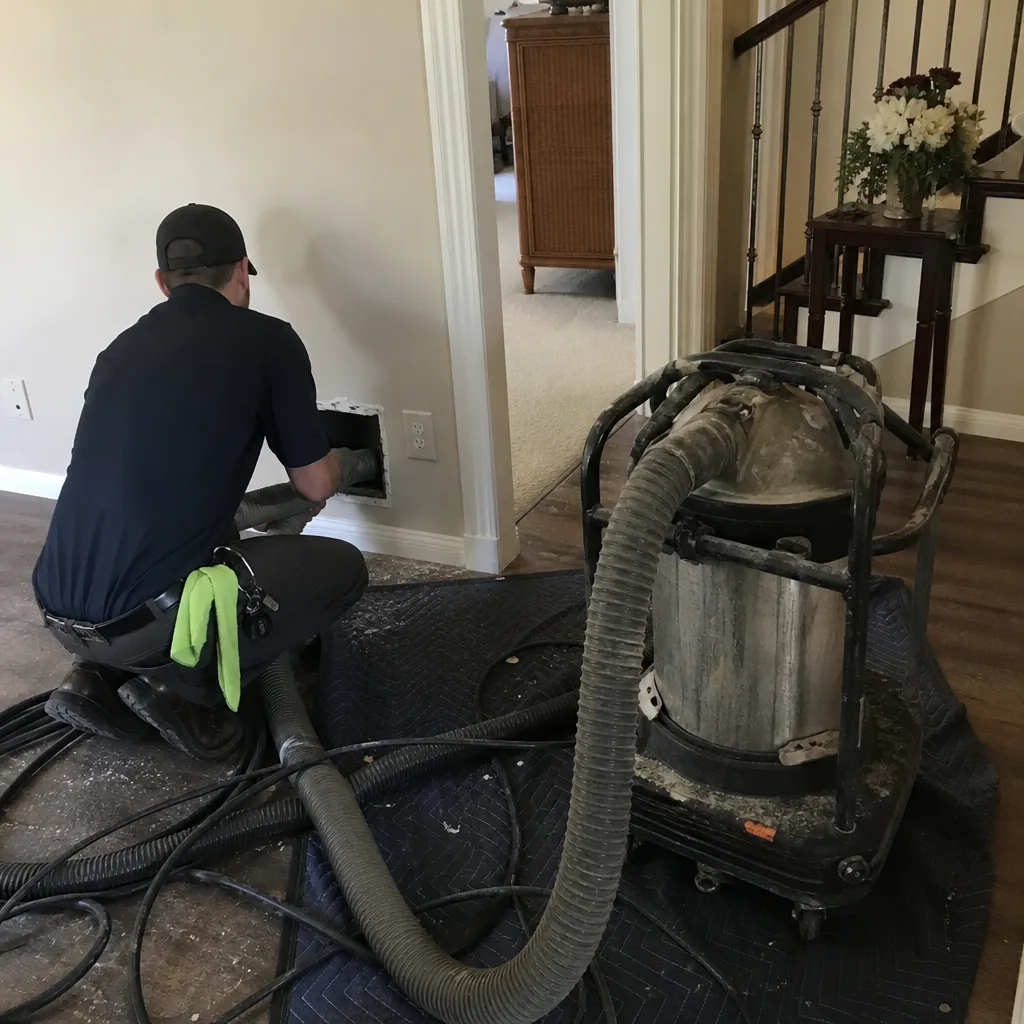 Before
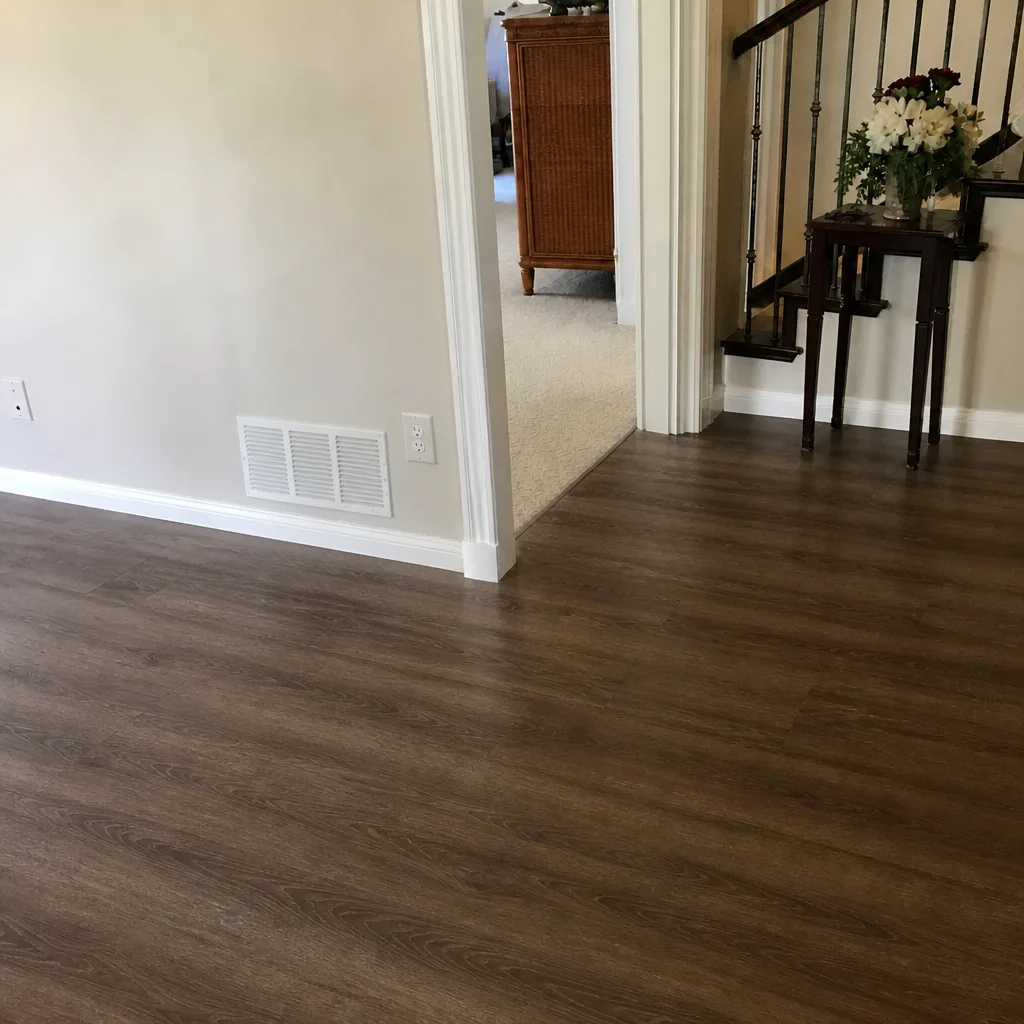 After
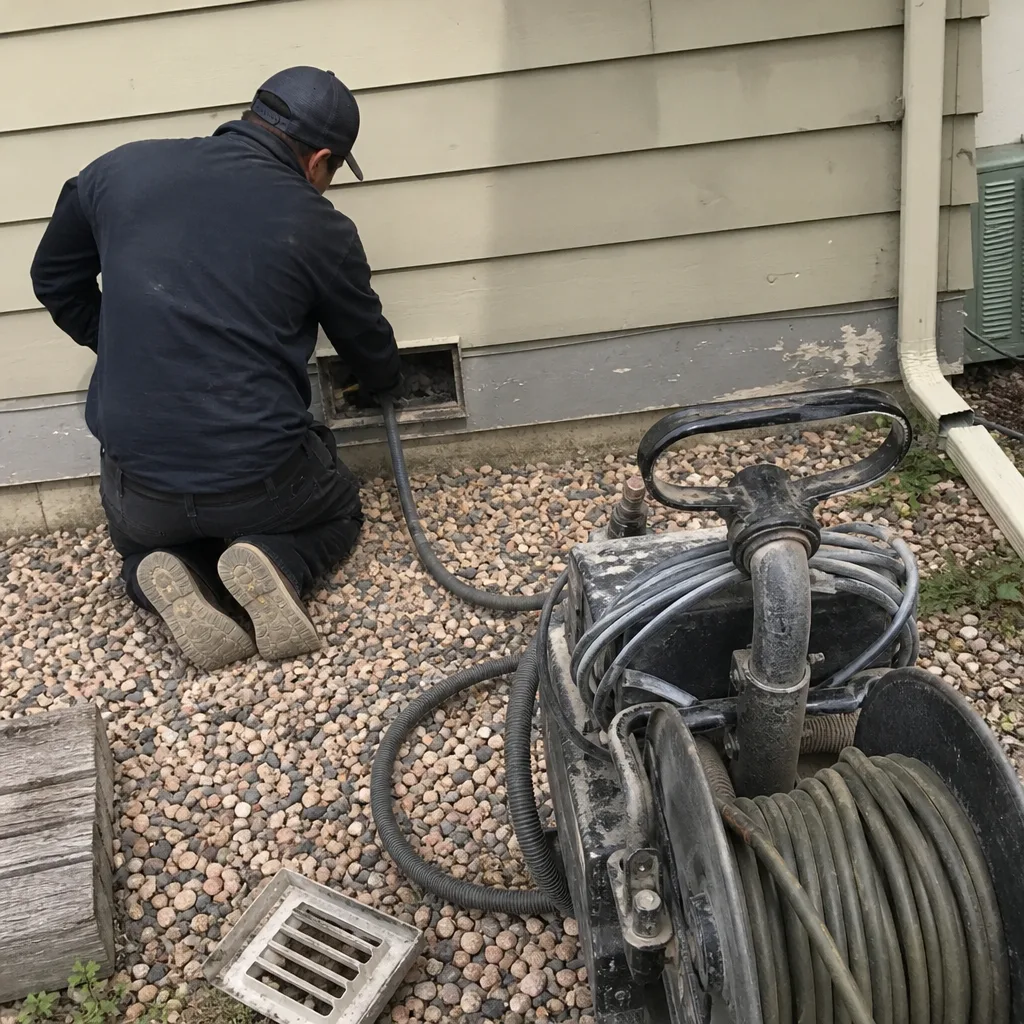 Before
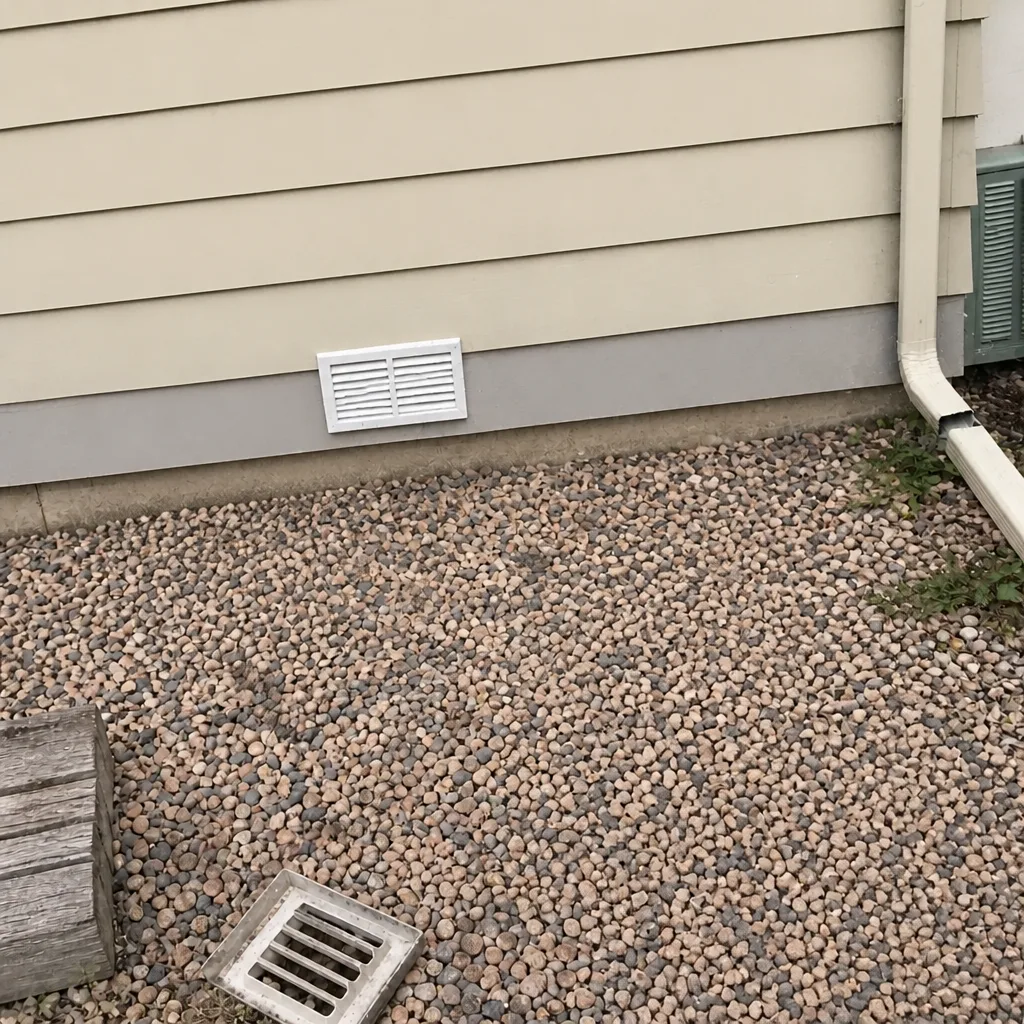 After
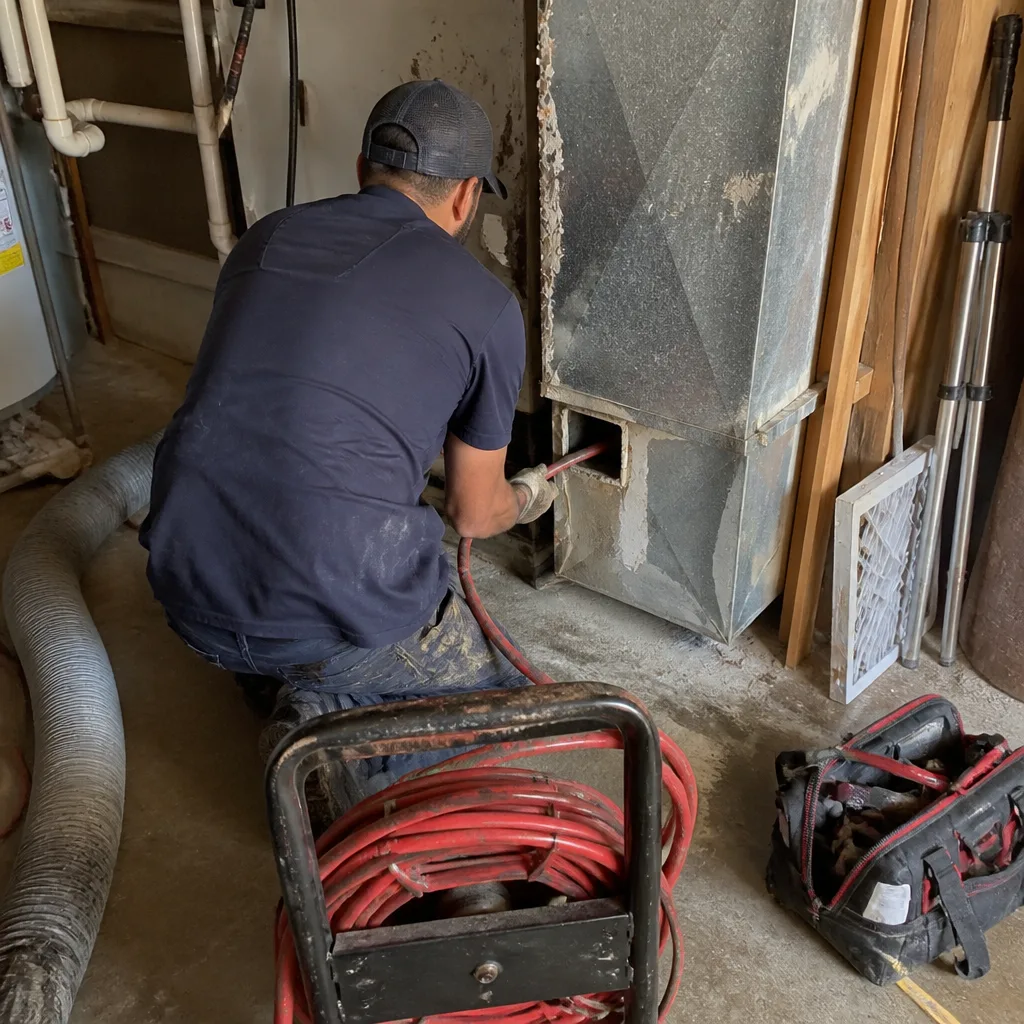 Before
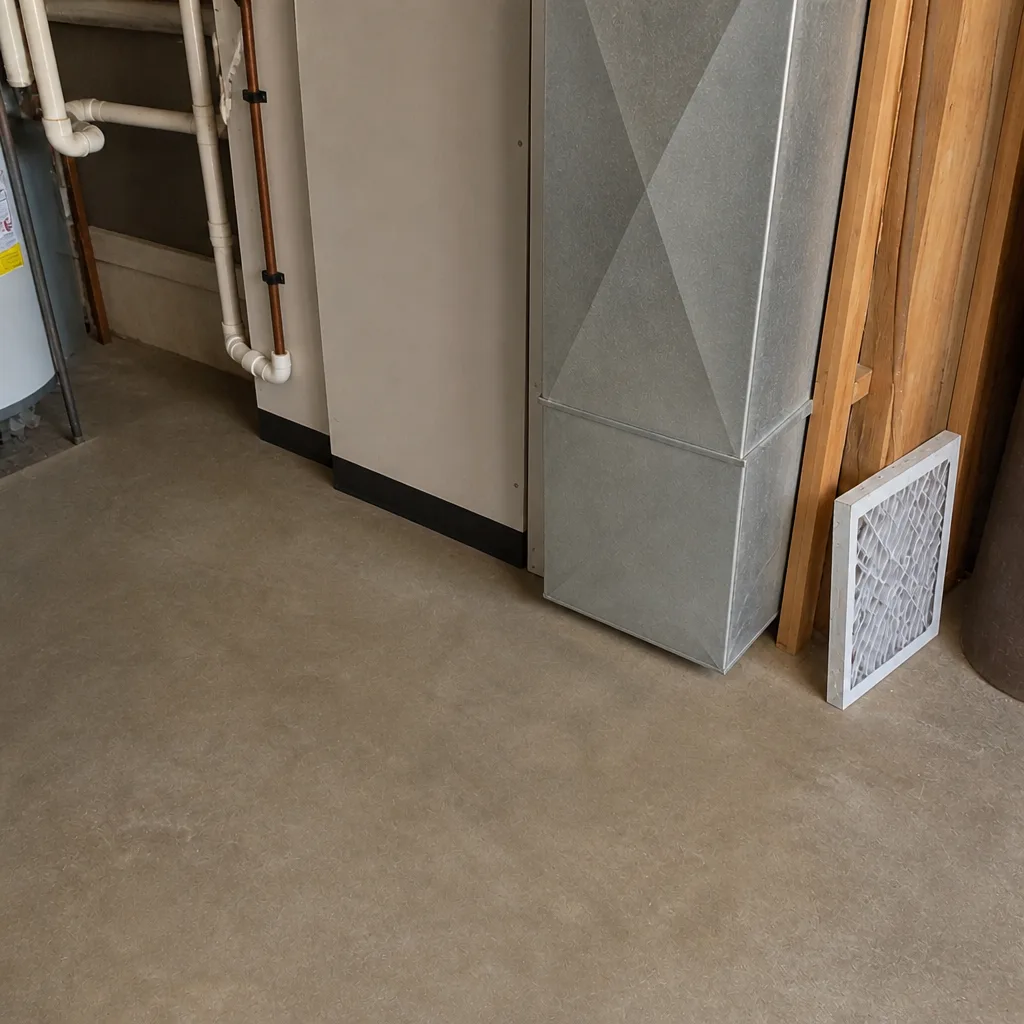 After
Frequently Asked Questions
Yes. Shut the system off entirely during peak smoke and keep windows and doors closed to seal the house. Running the blower, including on recirculation, draws smoke into the return pathway and pushes it into supply ducts where it settles on liner surfaces. Turn the system back on after the smoke clears, with a fresh filter in place, and watch for odor that returns with normal operation.
Mold colonization can begin inside duct materials within 48 to 72 hours of sustained moisture exposure. The first step is getting standing water out and drying the affected floor area quickly. The second is having the duct system inspected to see whether moisture reached the return plenum or duct insulation, since hidden moisture is what leads to a persistent colony that keeps feeding into your air.
Often it does, when the duct cleaning is documented as part of restoring the home to its pre-loss condition. Many policies cover it as part of fire and smoke damage, but the claim usually requires a written assessment and photographs so the adjuster has a line item to approve. Ask your adjuster directly whether duct cleaning is in the scope, and if not, request a documented evaluation and submit it as a supplement.
A filter change is enough only if the system was shut down during the smoke event and the return side stayed clear. If the smell comes back within a couple of days of running the system, or if you see dust at the supply registers, the contamination is in the duct liner and filter upgrades won’t fix it. Our technicians have up to 10 years of experience telling the difference, and an assessment is free.
Cleaning removes the physical contaminants: soot, particulate, mold spores, and settled debris. Sanitizing treats the interior surfaces with an antimicrobial layer after cleaning, so the surfaces resist re-growth. Our process uses Guardsman protective treatments as part of the sanitizing step, which leaves a documented antimicrobial layer rather than a one-time surface wipe. Both steps are needed when a duct system has been through a contamination event.
Ask for before-and-after photographs of your own ducts, taken inside the runs, and for a written description of the equipment used. Professional cleaning with mechanical agitation plus HEPA extraction is a visible, documented process. If a company can’t show you what was pulled out and what the interior looks like afterward, the work can’t be verified.
Common Mistakes to Avoid
- Running the HVAC on recirculation during smoke. It feels like you’re keeping air moving in a useful way, but recirculation still passes air through a contaminated return plenum and pushes particulate deeper into the supply side. Shut the system down entirely during peak smoke.
- Assuming a filter change alone solved a smoke event. High-MERV filters catch a lot, but they don’t reach the liner surfaces of the ducts. If the smell returns within a couple of days, the contamination is downstream of the filter and needs extraction.
- Letting a restoration contractor close the file without duct work. Restoration crews handle visible surfaces. Unless you specifically request duct cleaning in the scope, it’s usually left out, and the home that looks new still smells of smoke when the heat comes on in fall.
- Running a wet system to “dry it out.” After a flood, the HVAC blower will push spores from wet duct insulation into every room. Get the water out and shut the system down until it can be inspected.
- Skipping documentation for insurance. Photos, a written assessment, and a specific line item are what get duct cleaning covered. Verbal requests get ignored at claim time.
- Waiting for the next smoke event to find a service contact. In Arvada, smoke events tend to bring a wave of calls to every duct cleaning company in the region. Being on the schedule before the event is better than being on a waiting list after it.
- Assuming the ducts aren’t affected if the house smells clean. Months can pass between the event and the first time the system runs hard enough for contamination to become obvious. The photographs you took before the event are your baseline comparison.
When to Call a Professional
Call a professional when the smell returns within days of a filter change, when you’ve had water in a basement where return plenums sit low, when a fire event touched the structure even if the fire itself was contained, or when you’re filing an insurance claim and the scope needs documentation. Those are the cases where filter upgrades and surface cleaning don’t reach the actual source, and where a documented assessment is what the adjuster needs. If you’re unsure whether your situation qualifies, the assessment itself is free. Arvada Air Duct Cleaning Pros offers free estimates in Arvada. Call (866) 623-9426. We answer 24/7. Fast dispatch from 7am to 7pm, Sunday through Friday. A call outside dispatch hours is booked into the next opening. When we’re in a home, we evaluate the full system: ducts, dryer vent, HVAC components, and the air quality picture as a whole. If we find a gap, a tear, or a loose connection during cleaning, we can seal it on the spot, so there’s no second appointment needed and no separate contractor. That capability is also why Arvada Air Duct Cleaning Pros is a single point of contact for the whole job from the first call through the final documentation.
The Bottom Line
Emergencies in Arvada come in a few predictable forms: wildfire smoke, basement water, and the occasional fire event. Each leaves a different signature in the duct system, and each requires a different response protocol. During a smoke event, shut the system down rather than running it on recirculation, and assess the return side before assuming a filter change solved the problem. After a flood, treat the first 48 to 72 hours as the mold colonization window and get the system inspected before it’s put back into service. After a fire, make sure duct cleaning is explicitly in the restoration scope and documented for your claim. Prepare now with photographs, a labelled shutoff, and a service contact on hand. If any of these events has already happened and the system isn’t quite right afterward, our Arvada Air Duct Cleaning Pros team handles the full scope: cleaning, repair, sealing, and sanitizing in one visit. Call (866) 623-9426 for a free estimate.
Call (866) 623-9426. We answer 24/7. Fast dispatch from 7am to 7pm, Sunday through Friday.
Written by the team at Arvada Air Duct Cleaning Pros.