
Last updated November 23, 2026
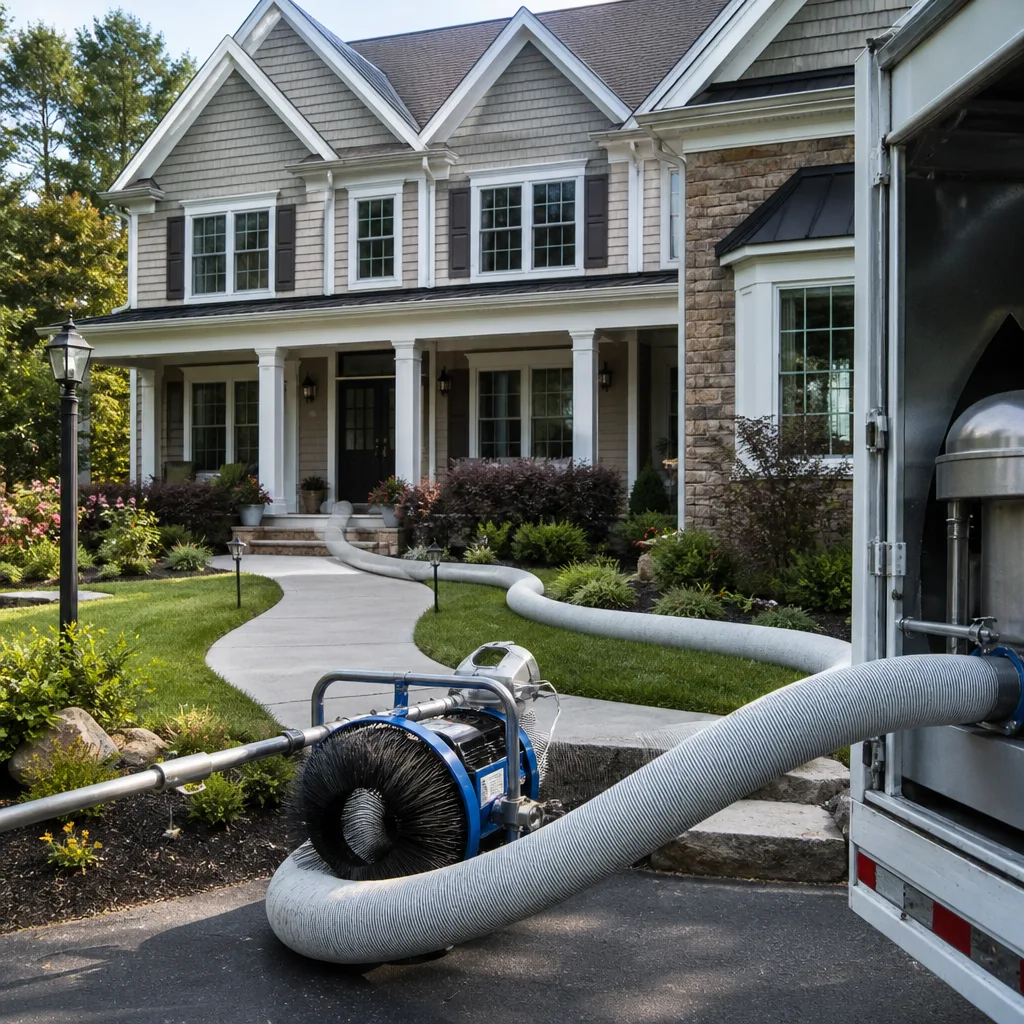 Whole-home duct cleaning
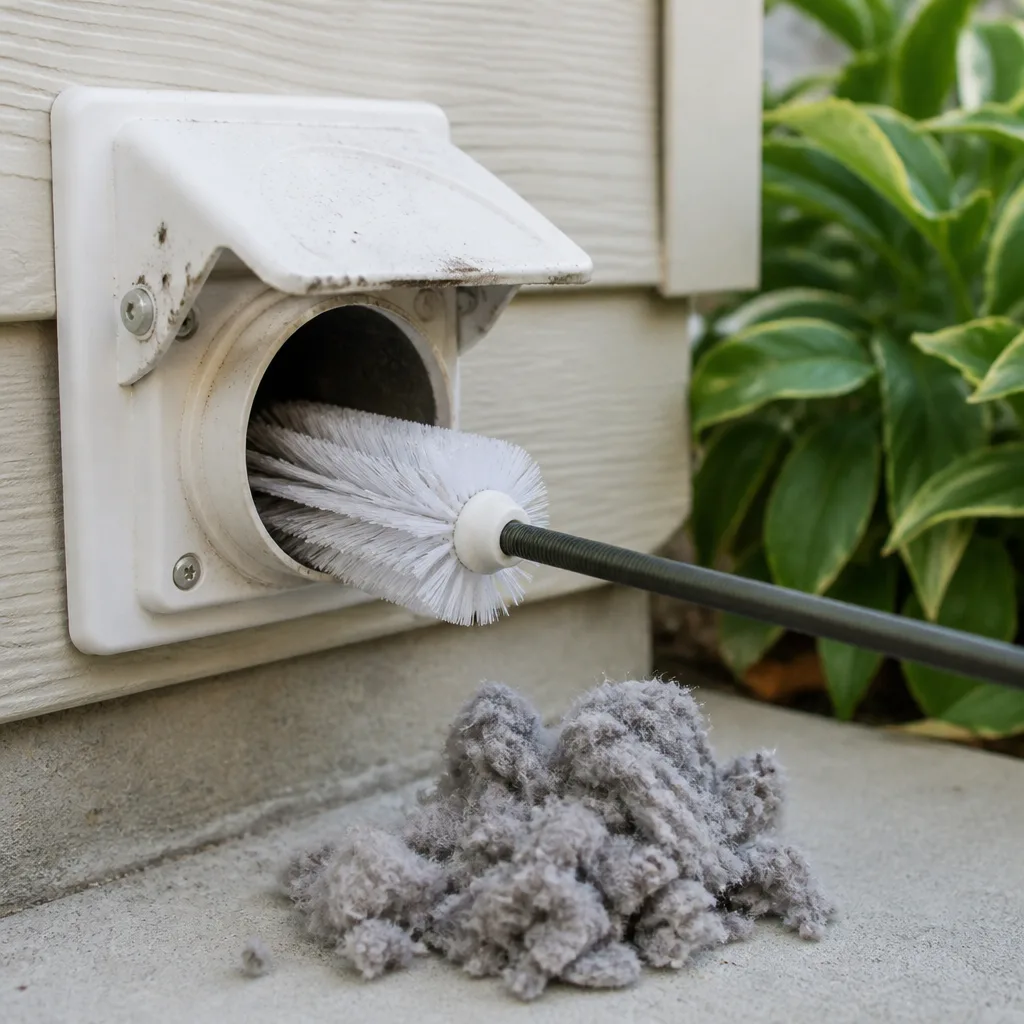 Dryer vent cleaning
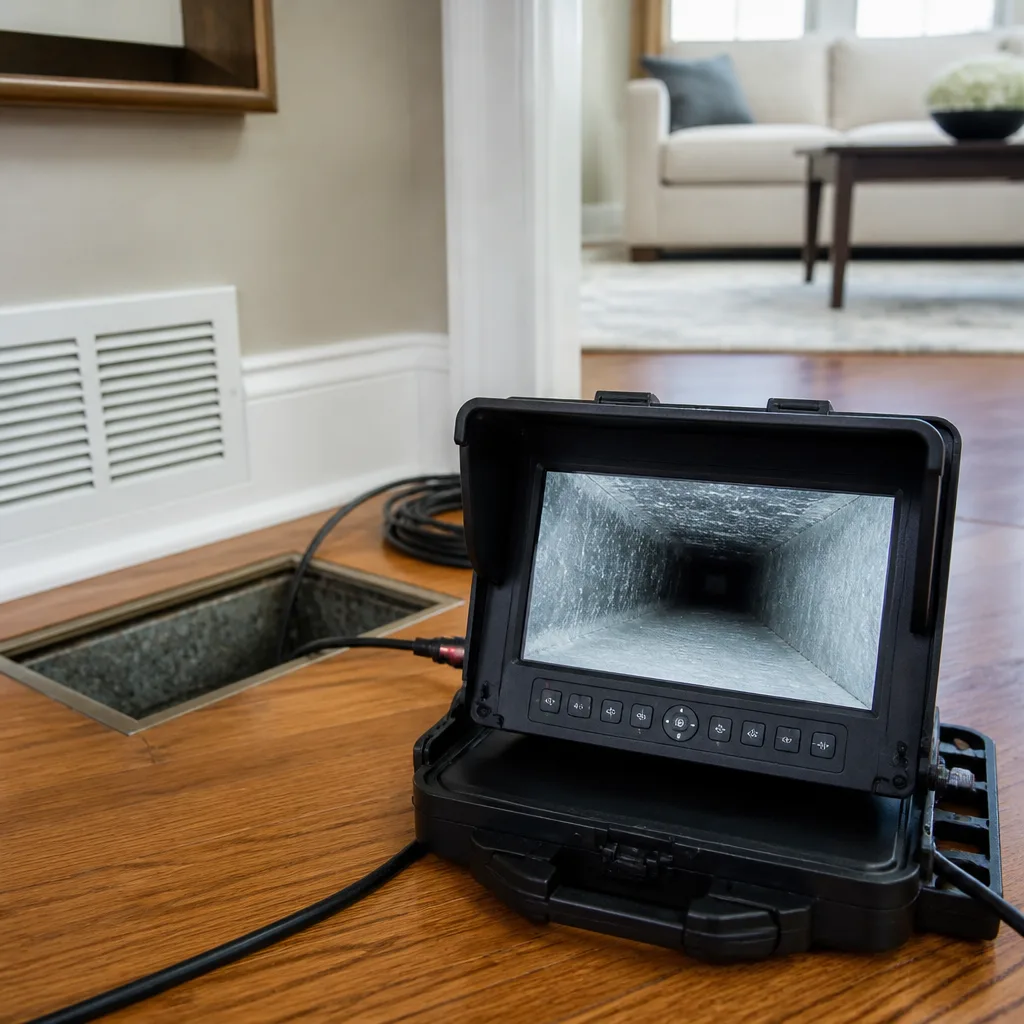 Camera inspection
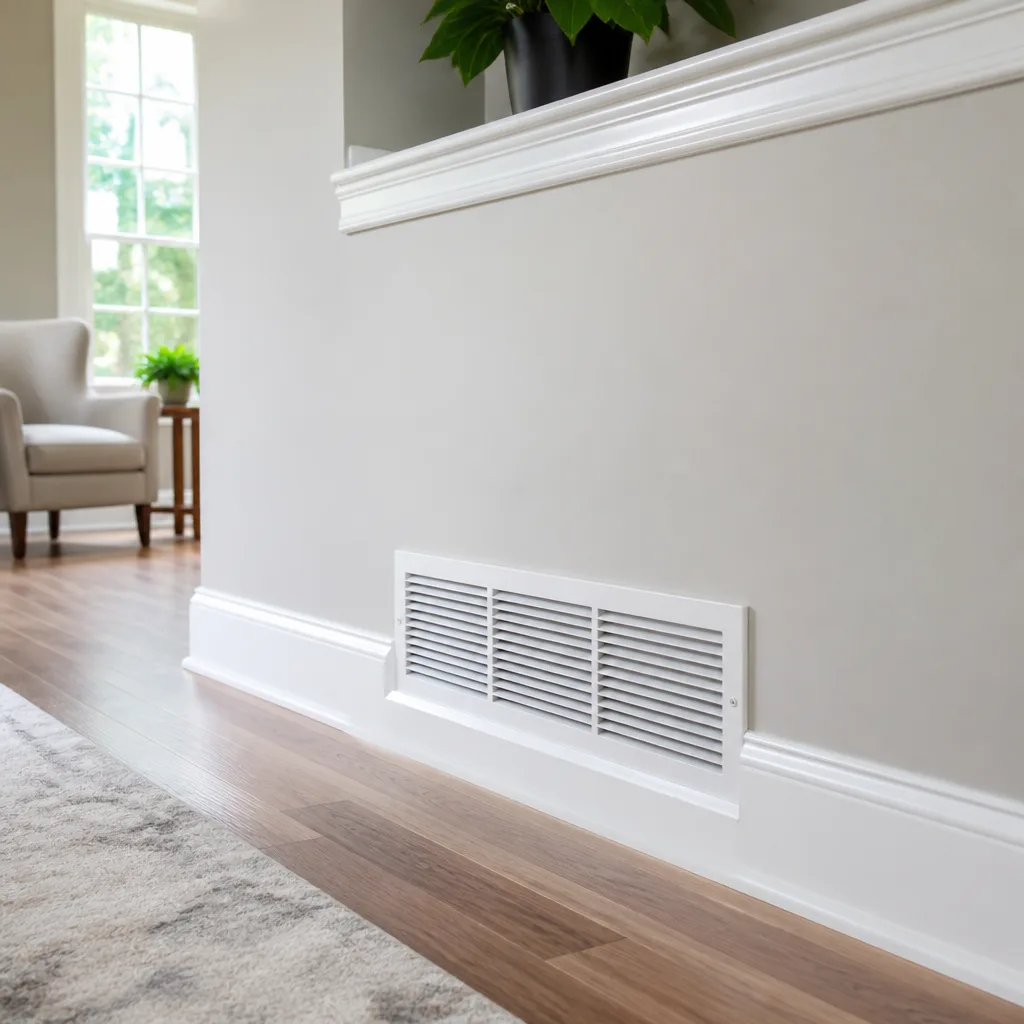 Sanitizing & deodorizing
Whole-system duct and dryer vent check with before-and-after photos - you see exactly what came out of your vents
That "$99 whole-house special" is a bait ad - the real number appears once they are in your hallway, or the "clean" is a shop-vac at the register. We photograph the inside of your ducts before and after instead.
Air Duct Cleaning Maintenance Checklist for Arvada Homeowners
Changing your filter on schedule feels productive, but it’s the last line of defense, not the first. By the time your filter looks dirty, the ductwork feeding it may have already redistributed contaminants through three rooms. That’s why a maintenance checklist for your ducts shouldn’t read like a cleaning schedule. In Arvada, where wildfire smoke rolls in each summer and winter air runs dry, it should read like a monitoring system – a set of observable checkpoints that tell you when conditions are slipping before a fix gets expensive. This guide walks you through register inspections, a cheap airflow baseline, air handler checks, and a documentation habit that protects your home’s resale.
Quick Answer
A proper air duct maintenance checklist for Arvada homeowners covers four things: a room-by-room register inspection done monthly, a logged airflow baseline recorded with an inexpensive anemometer, quarterly checks at the air handler cabinet, and seasonal attention to wildfire smoke season and dry winter air. Paired with professional cleaning every few years and duct sealing where gaps appear, these checkpoints catch degradation before it hits your comfort, your utility bills, or your indoor air quality.
Styles & brands we work with
- Whole-home duct cleaning
- Dryer vent cleaning
- Camera inspection
- Sanitizing & deodorizing
Table of Contents
- Why a Monitoring System Beats a Cleaning Schedule
- The Monthly Register Inspection Protocol
- Logging Your Airflow Baseline With a $15 Anemometer
- Quarterly Checks at the Air Handler Cabinet
- Wildfire Smoke Season: June Through September in Arvada
- Winter Air, Static, and Duct Gaps
- Documenting Contractor Visits and Building a Maintenance Record
- When Professional Cleaning Belongs on the Checklist
Why a Monitoring System Beats a Cleaning Schedule
The duct cleaning industry has trained homeowners to think in terms of a schedule: clean the ducts every so often, dust off your hands, wait a few years, repeat. That framing misses the actual job. Ductwork is a moving system. Filter loading changes, seams open, connections loosen, and outdoor particulate levels swing hard across the Colorado Front Range calendar. A fixed cleaning interval can’t account for any of that.
What does account for it is observation. A checklist you actually run tells you three things: what’s normal for your house, when something has drifted from normal, and whether the drift is minor or a sign of a real problem. In Arvada, that last point matters more than it does in a lot of places. Wildfire smoke during the summer pushes fine particulate into return air pathways, and the dry air of winter tends to widen small gaps as materials expand and contract. Homes here sit between those two pressures.
So the checklist below is built to be run, not just read. It’s split into monthly, quarterly, seasonal, and multi-year items. You don’t need tools or training for most of it. A flashlight, a notebook, and a $15 anemometer cover the homeowner-level portion. Where the checkpoints reveal something you shouldn’t handle yourself, this guide says so.
At Arvada Air Duct Cleaning Pros, we built our process around the same idea: diagnose first, then act. Our technicians have up to 10 years of experience, and the observation habit is the first thing we teach. You don’t clean what you haven’t looked at. For a broader picture of what professional work covers, see air duct cleaning.
The Monthly Register Inspection Protocol
Once a month, walk every room with a supply or return register and look at the grille. It takes about ten minutes. What most people check for is visible dust, and that’s a fine starting point. But dust on a grille is the least informative thing you’ll see. The more useful signal is the pattern.
What to Look For Beyond Dust
- Discoloration patterns. Dust that’s evenly light gray is normal. Dust with dark streaks, patches of black, or a soot-like appearance suggests something more than ordinary household dust. Streaking near the edges of the grille often points to air leaking past rather than through the filter.
- Airflow asymmetry. Hold your hand a few inches from each register. Every register on the same zone should feel roughly similar. If one supply register blows noticeably weaker than its neighbors, you’re looking at a blocked branch line, a damper that moved, or a disconnected run.
- Rust or water staining. Any brownish staining at the register edge means moisture is getting into the duct somewhere upstream. In Arvada, that’s often a condensate issue at the air handler rather than a roof leak, but both are worth chasing.
- Odor at the register. A musty or dusty smell at one register and not others is a local signal, not a house-wide one. It usually points to a specific run that’s holding moisture or debris.
- Cold or hot spots at the grille. A register that’s noticeably cooler than its neighbor in heating season (or warmer in cooling season) can mean a leak in the duct between the trunk and the boot.
- Pest evidence. Small droppings, nesting material, or scratching sounds at a register are a separate problem from cleaning, but the duct is usually the pathway. That call is for a pest professional, not a duct cleaner.
How to Run the Inspection
- Start at the register closest to the air handler and work outward, room by room.
- Photograph each grille with your phone, framed the same way every time, so month-over-month comparison is real rather than remembered.
- Note any register that differs from its neighbors in airflow, color, or smell.
- Record the date and your observations in a simple log (see the documentation section below).
- Flag anything that changed since last month for a second look.
You’re not diagnosing anything. You’re collecting evidence. When something changes, that evidence is what makes a professional visit faster and more targeted.
Logging Your Airflow Baseline With a $15 Anemometer
This is the highest-value item on the whole checklist, and almost no Arvada homeowner does it. A handheld anemometer, the kind sold for hobbyist weather measurement, costs around $15. It won’t be lab-grade, but it doesn’t need to be. You’re not measuring absolute airflow; you’re comparing a register to itself over time.
Why This Beats Waiting Until It “Feels Weak”
Comfort is a terrible measuring instrument. People adjust to gradual declines without noticing. A register that’s lost 30% of its flow over two years still feels like “air is coming out.” By the time you notice, the problem has usually been building through several seasons, and often the filter didn’t cause it. A baseline catches the drift while it’s still a cheap fix.
Setting Up Your Baseline
- Set your HVAC system to the same mode (heat or cool) each time you measure, so comparisons are fair.
- Run the fan for about 10 minutes before taking any readings.
- Hold the anemometer directly at the center of each supply register grille, at a consistent distance, and record the number.
- Note the reading, room, and date in your log. Repeat the same measurements next month.
- Watch for any register that changes by more than about 15% from its baseline, or drifts consistently in one direction while others stay flat.
Two things drive most single-register declines in Arvada homes. One is a supply branch that’s partially blocked by debris knocked loose from the trunk. The other is a duct that’s come apart at a joint, especially in attic runs where heat drives expansion and contraction hard. If you see a single register drop while the others hold, that’s the pattern to bring to a professional.
If your readings show the whole house losing flow together, the filter, blower, or evaporator coil is the more likely culprit. Our HVAC cleaning work is often where we find that cause.
Quarterly Checks at the Air Handler Cabinet
Four times a year, open the air handler cabinet or remove the access panel (with the unit off and the breaker pulled) and look at four things. If you’re not comfortable opening the cabinet, watch the drain pan through any visible sight glass and leave the rest to a professional. The cabinet holds line-voltage wiring and moving parts, and cabinet access isn’t a homeowner chore.
Drain Pan Condition
Look at the condensate pan and the drain line. Standing water, slime, or rust streaks in the pan mean the drain is clogged or slow. That’s a moisture source feeding the whole system. In Arvada, where cooling runs hard from late June through August, this is a common find on a quarterly walk.
Blower Wheel Dust Buildup
Look at the blower wheel with a flashlight. It should look clean and even. A gray, fuzzy coating on the blades throws off the wheel’s balance and cuts efficiency. A heavily loaded blower also redistributes whatever’s on it back through the ducts.
Evaporator Coil Access Points
The coil is usually the other side of the cabinet. Check the access panel and note whether it’s sealed properly. A loose or missing coil access panel means air bypasses the filter and pulls dust straight into the coil, which degrades cooling and eventually compromises the coil itself.
Seams and Cabinet Sealing
Look at the tape and mastic along the cabinet seams. Any gap or peeling tape is a leak, and it will pull unfiltered air from wherever the cabinet sits. Sealing these is a ten-minute job for a technician and belongs in the same visit as cleaning.
When these checks turn up problems, the fix belongs with a professional. Our Arvada Air Duct Cleaning Pros team can seal cabinet gaps, clear drain issues, and clean the blower as part of a full-system visit.
Wildfire Smoke Season: June Through September in Arvada
From June through September, Arvada sits downwind of wildfire smoke more often than most homeowners realize. The Front Range pattern is familiar: sustained westerly flow carries smoke from fires west and north of the metro, and the smoke settles into the foothills and the metro corridor. On a bad stretch, outdoor particulate levels climb for days at a time.
What Smoke Does to the Duct System
Fine smoke particulate doesn’t just stop at the filter. It loads the filter faster, forcing more air around the filter edges where the seal is imperfect. It coats return air pathways. And it lingers in the flexible and sheet metal runs long after the air clears, which is why the musty smell sometimes shows up in October and November rather than in the middle of smoke season.
Add These Items During Smoke Season
- Change the filter more often. During a sustained smoke event, run the schedule tighter than the manufacturer’s interval. Note the change date.
- Check the return air grille. Returns pull more airborne particulate than supplies, so they load faster. Look for dark loading on the return grille and photograph it.
- Keep windows and doors closed during smoke events. Sounds obvious, but a window cracked “just a little” will load the return path within hours.
- Note the smoke pattern in your log. Write down the dates and severity when you saw haze indoors. That record tells a professional how much particulate likely made it into the system.
- Run the HVAC fan in “on” instead of “auto” during a smoke event. Continuous filtration through the system beats intermittent filtration while outside air is bad.
- Watch for musty or smoky odor indoors after the smoke clears. That’s a sign the return paths need attention, not just a filter change.
What most homeowners miss is that the smoke season effect compounds. A duct system that’s clean in May is going to be dirtier in October than the filter alone suggests. If you want the professional version of the same walkthrough, our full-system cleaning visit inspects the return pathways as part of the service.
Winter Air, Static, and Duct Gaps
Arvada winters are dry, and that dry air does real work on duct systems. As relative humidity drops into the teens and single digits, wood framing shrinks, seams open, and tape at duct joints lifts. The classic symptom is static shock at the register when you touch it – which is a small nuisance and a big signal. Static at the supply usually means the air is moving fast through a restricted run or leaking out of a joint.
Winter Checklist Items
- Look at the tape at duct joints. From any accessible attic or basement run, note peeling or lifted tape. Loose tape is the leading cause of duct leakage in a dry-climate home.
- Feel for cold air at the boot. In heating season, a register boot that feels cold to the touch while the system is running means air is leaking around the boot collar.
- Note the humidity reading. If your hygrometer reads below 20% indoors for long stretches, consider a whole-home humidifier. We install and work with Honeywell and Aprilaire systems for exactly this reason.
- Recheck the airflow baseline. Winter is the season when joint gaps are widest, so this is the best time to compare against your summer baseline.
- Look for soot or fogging at the register. A thin dark film around a register edge in winter can mean something is burning or leaking heat exchangers – open a service call.
Dry air doesn’t just open gaps; it also makes duct cleaning debris easier to suspend. When you run the system, fine particulate gets airborne more easily in low humidity. That’s another reason to keep the filter schedule tight in winter and to log the dates.
If a winter check shows lifted tape, a loose boot collar, or a joint that’s come apart, duct sealing belongs with the same visit as cleaning. We carry that capability, which means one company handles both – no second contractor needed after a cleaning reveals a gap.
Documenting Contractor Visits and Building a Maintenance Record
A maintenance record is one of the most valuable documents in a home. It does two jobs: it supports the resale disclosure, and it supports warranty claims on HVAC equipment, which typically depend on showing that maintenance was performed. If you can’t produce a record, those claims are much harder to support.
What to Keep
- Dates of every professional visit. Cleaning, sealing, repair, HVAC service. One line each.
- What was done. Two sentences is enough: which components were cleaned, what was sealed, what was replaced.
- Who did the work. Business name and a phone number. No personal names needed.
- Before-and-after photos. Any reputable company provides these. Ask for them and keep them with the invoice.
- Filter change dates. A simple running list. It’s the single most useful part of the record.
- Airflow readings. Your baseline measurements go here. This is what makes your record genuinely useful rather than generic.
- Findings that weren’t fixed. If a visit reveals an issue that wasn’t addressed, note it and the plan to address it.
How to Keep It
- Start a single folder, physical or digital. One place, not scattered invoices.
- Add a one-line entry after every filter change, professional visit, or observation.
- Attach photos and invoices to the same folder.
- At the end of each year, summarize the year in ten lines.
- Keep the record with your home documents – disclosures, permits, warranties.
When we do a cleaning at Arvada Air Duct Cleaning Pros, we provide before-and-after photos of your ducts, which belong in this record. If we find a gap, a tear, or a loose connection during cleaning, we can seal it on the spot – no second appointment and no paperwork gap in the record.
When Professional Cleaning Belongs on the Checklist
Homeowner monitoring doesn’t replace professional cleaning; it decides when cleaning is due. The checklist signals pile up until a professional visit is the right call. These are the signals our team looks for when we’re deciding whether a system is due:
- Visible particulate on return grilles that reappears within a month of cleaning. The source is upstream in the return pathways.
- A single register that’s lost more than 15% of its baseline airflow and stays down.
- Odor indoors after wildfire season that doesn’t clear with a filter change.
- Findings of dust in the air handler cabinet or on the blower wheel.
- Visible gaps, tape failure, or disconnected joints at accessible runs.
- A move-in, a recent renovation, or a home you’ve just purchased.
- Dryer vent service. That’s a separate system from the ductwork but part of the same household airflow picture. dryer vent cleaning is worth scheduling on its own cycle.
When a professional visit is due, the method matters. In our experience, mechanical agitation paired with HEPA source-removal is what actually moves debris out of the home instead of recirculating it. We use Rotobrush mechanical agitation combined with Nikro and Abatement Technologies HEPA-filtered vacuums, which is the same source-removal approach ventilation professionals rely on. Debris comes out; it doesn’t blow back into the room. If you want to understand the full method, our air duct cleaning page covers the process step by step.
Sanitizing is a separate step that many services skip. We use Guardsman protective treatments as part of the sanitizing process, so there’s a documented antimicrobial layer after cleaning. If your system is due for a full visit, one company can clean the ducts, seal discovered gaps, clean the HVAC, and sanitize in the same schedule.
Common Mistakes to Avoid
- Treating the filter as the only checkpoint. Filters catch what reaches them. The return pathways, the air handler, and the supply runs all load independently, and the filter can’t tell you when they do.
- Skipping the airflow baseline because it sounds technical. Fifteen dollars and ten minutes once a month is the difference between catching a slow decline and discovering it after a comfort problem.
- Ignoring smoke season and then wondering why the house smells like a campfire in October. Arvada homeowners tend to change filters during smoke events and skip the return pathway inspection. The return is where smoke particulate settles.
- Sealing gaps with duct tape. Duct tape fails in months, especially in a dry-climate attic. Mastic and proper foil tape are the right materials, and it’s a professional job when the runs are hard to reach.
- Hiring a cleaner who doesn’t repair. If a cleaning reveals a gap and the company can’t seal it, you’re hiring a second contractor and rewriting the record. Ask before you book.
- Not keeping the before-and-after photos. Without them, the record is a claim, not evidence. Ask for the photos and file them.
- Assuming cleaning is urgent when a problem appears. Most findings are not emergencies. A gap, a dirty blower, or a decline in airflow holds for a scheduled visit; the checklist is what buys you the time to schedule it calmly.
See the difference
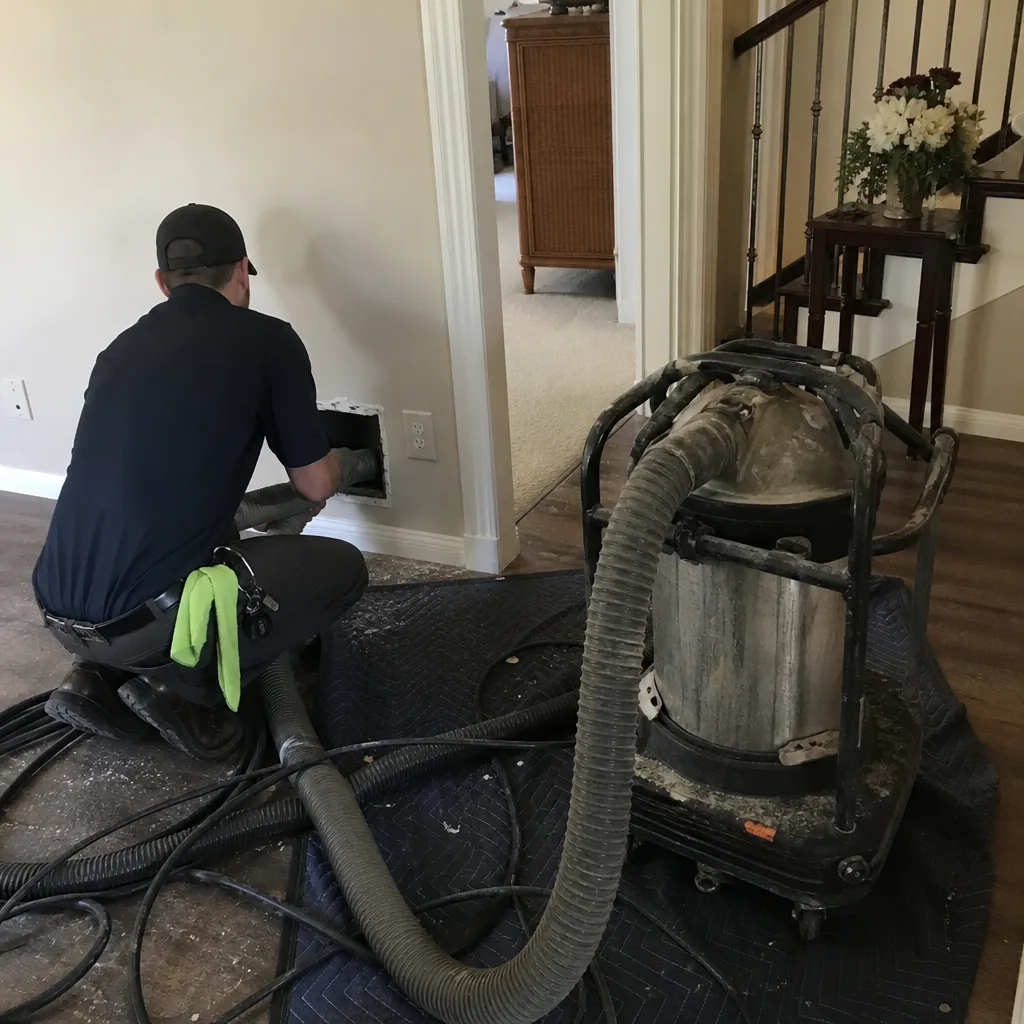 Before
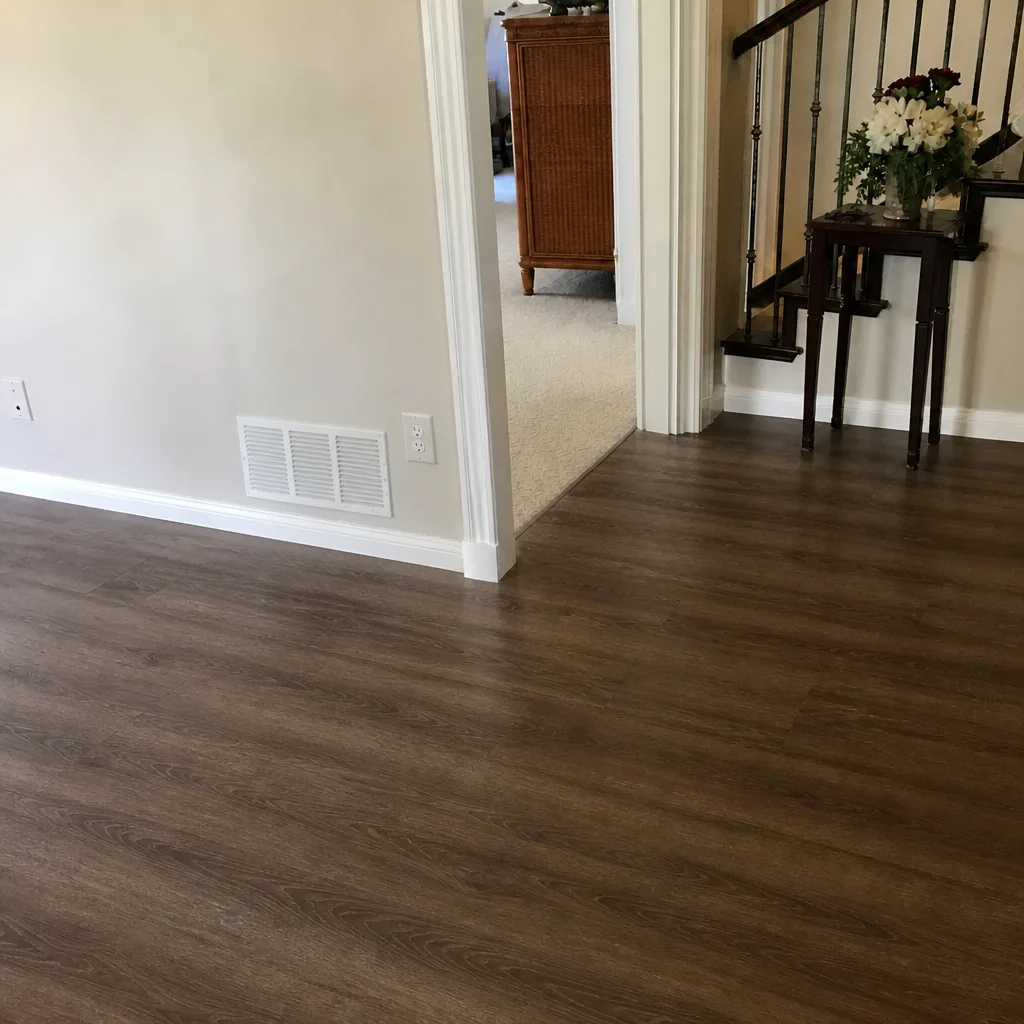 After
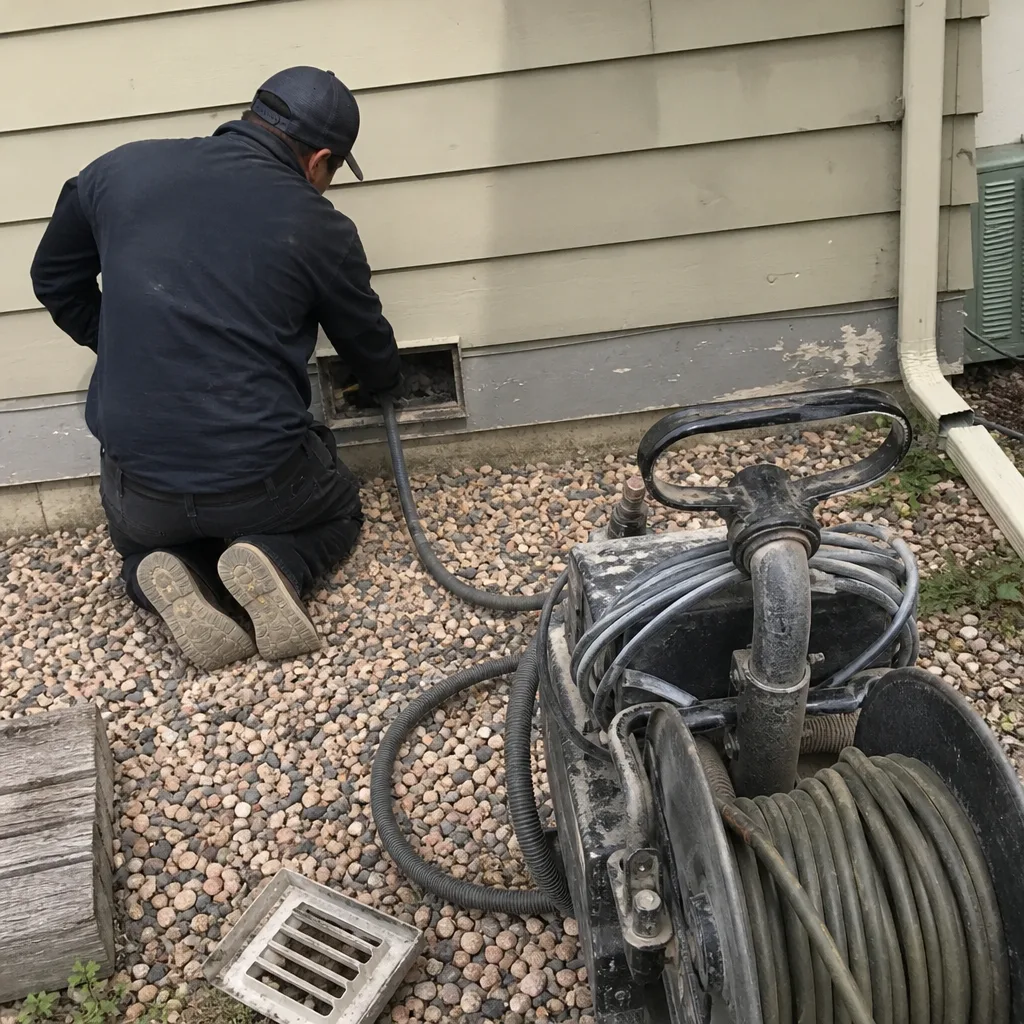 Before
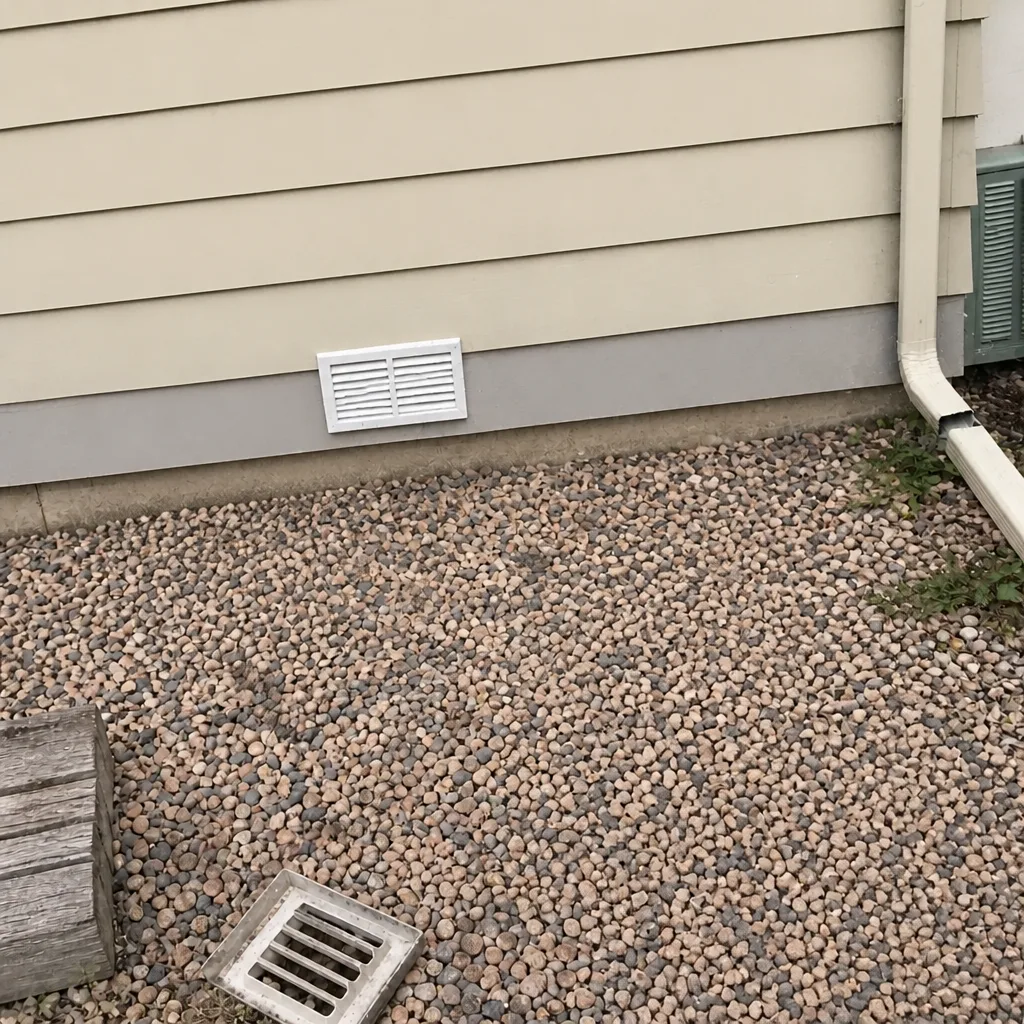 After
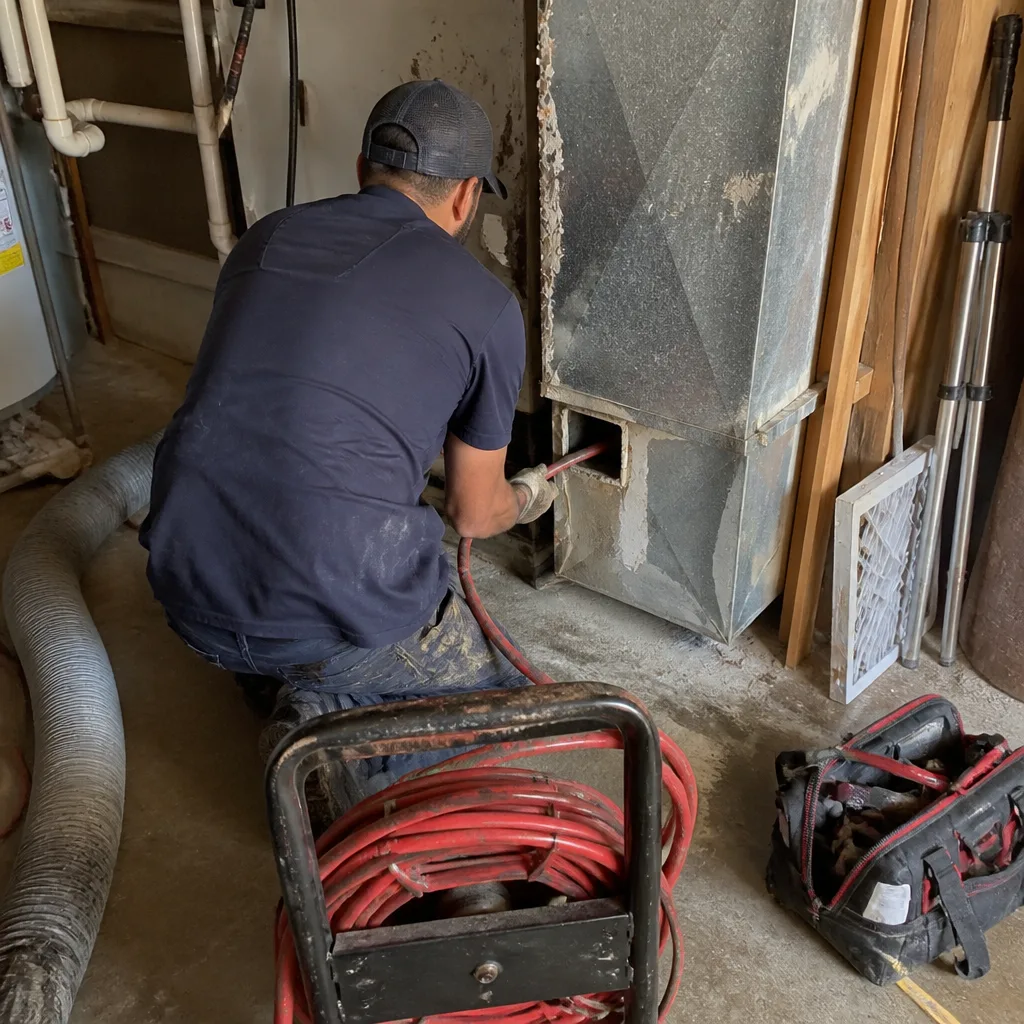 Before
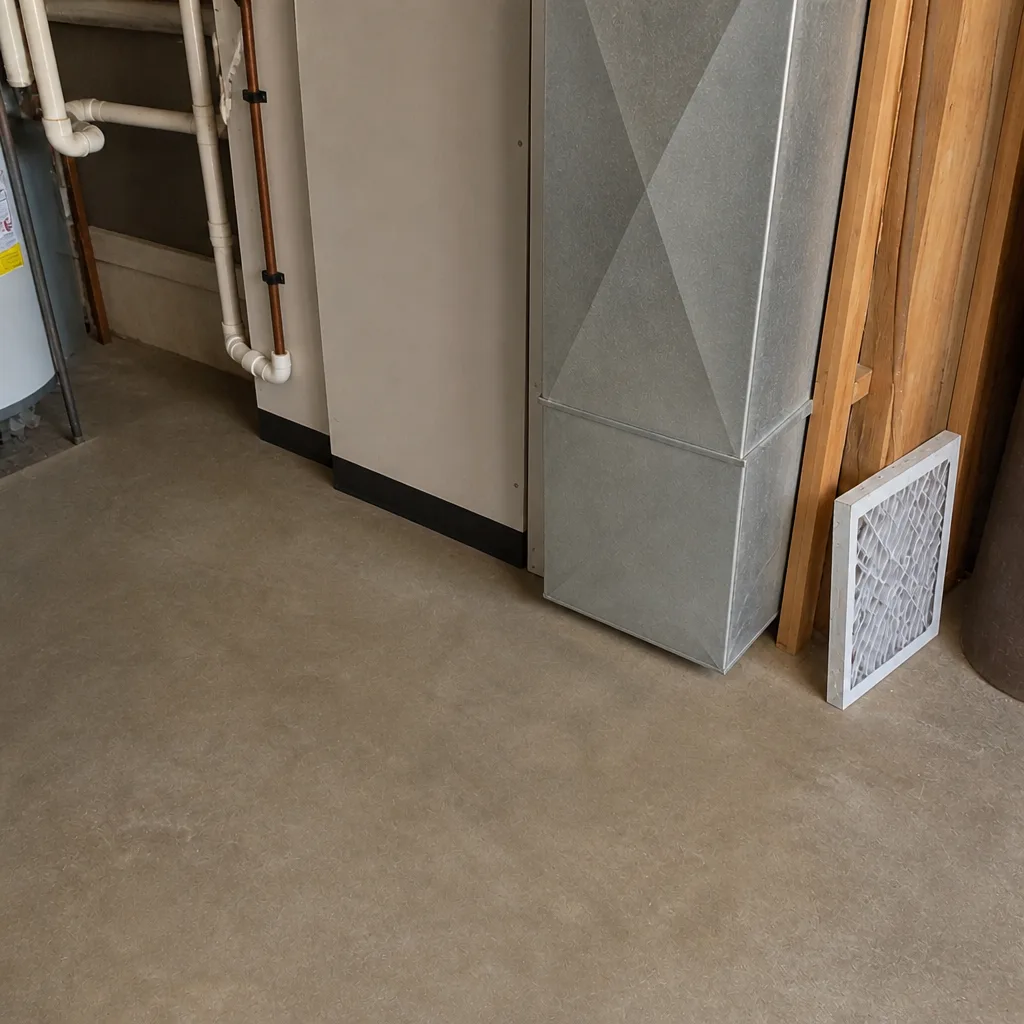 After
When to Call a Professional
Call a professional when the checklist shows a pattern rather than a blip. A single register that drops once and recovers is usually noise. A register that stays down, an odor that doesn’t clear after a filter change, dust loading on the return that shows up in a month, visible gaps or disconnected runs, or an air handler cabinet with actual dust accumulation all warrant a professional visit. Same if you’re moving in, finishing a renovation, or need the dryer vent serviced. Arvada Air Duct Cleaning Pros offers free estimates in Arvada – call (866) 623-9426. We answer 24/7. Fast dispatch from 7am to 7pm, Sunday through Friday. Every visit starts with a written estimate, one flat price per system agreed before work starts, and it ends with before-and-after photos of your ducts.
Frequently Asked Questions
Most Arvada homes land somewhere between every three and every five years for a full cleaning, with wildfire smoke seasons pushing the interval shorter and homes without pets or smoking pushing it longer. The checklist is what tells you which end of that range you’re on. If your airflow baseline holds steady, your return grilles stay clean for months, and there’s no odor indoors after smoke season, you’re in the longer-interval group. If two or more checklist signals appear in the same year, cleaning is due sooner. Call (866) 623-9426 for an exact quote – estimates are free.
Log a monthly airflow baseline at every register with a $15 anemometer. It catches slow degradation – a blocked branch line, a disconnected run, a leaking joint – months before it shows up as a comfort problem. Filter changes are useful, but the filter is the last line of defense, and it can’t tell you what’s happening in the ducts themselves. Call (866) 623-9426 for an exact quote – estimates are free.
Watch for musty or smoky odor indoors after the smoke clears, dark loading on return air grilles that reappears quickly, and a filter that darkens faster than its usual interval. From June through September, front range smoke events push fine particulate into return air pathways, and the effects often show up in October. If two or more of those signals show up in the same season, have a professional inspect the return pathways. Call (866) 623-9426 for an exact quote – estimates are free.
Not necessarily. The catch is that most duct cleaning companies clean only and can’t seal or repair what they find. Arvada Air Duct Cleaning Pros handles both, so a cleaned system with a discovered gap gets sealed in the same visit rather than held over for a second appointment. Ask before you book, whichever company you go with. Call (866) 623-9426 for an exact quote – estimates are free.
Cheaper quotes usually reflect a smaller scope: blow-and-go agitation with no HEPA source-removal, no return pathway inspection, no before-and-after photos, and no repair capability. The number you pay isn’t the number that matters; the scope is. Ask each company exactly what equipment they use, whether the return pathways are included, and whether they can seal what they find. The written estimate sets the final price, and our visits are one flat price per system agreed before work starts. Call (866) 623-9426 for an exact quote – estimates are free.
Before-and-after photos of your own ducts, a written scope of what was cleaned, and a one-line entry in your maintenance record. Any professional company provides these voluntarily. If a company won’t put the scope in writing or provide photos, treat that as your answer about how the visit will go. We provide both as part of every cleaning at Arvada Air Duct Cleaning Pros. Call (866) 623-9426 for an exact quote – estimates are free.
The Bottom Line
Air duct maintenance is a monitoring system, not a cleaning schedule. Run a monthly register inspection, log an airflow baseline with a cheap anemometer, check the air handler cabinet quarterly, and pay attention to wildfire smoke season and dry Arvada winters. Keep a written record with photos, dates, and readings – the record supports your resale disclosure and your equipment warranty. When the checklist shows a pattern rather than a blip, call a professional who can clean, seal, and sanitize in one visit. That’s the whole method. Arvada Air Duct Cleaning Pros offers free estimates in Arvada – call (866) 623-9426. We answer 24/7. Fast dispatch from 7am to 7pm, Sunday through Friday. One flat price per system agreed before work starts, before-and-after photos of your ducts, and a satisfaction guarantee.
Written by the team at Arvada Air Duct Cleaning Pros.