
Last updated November 23, 2026
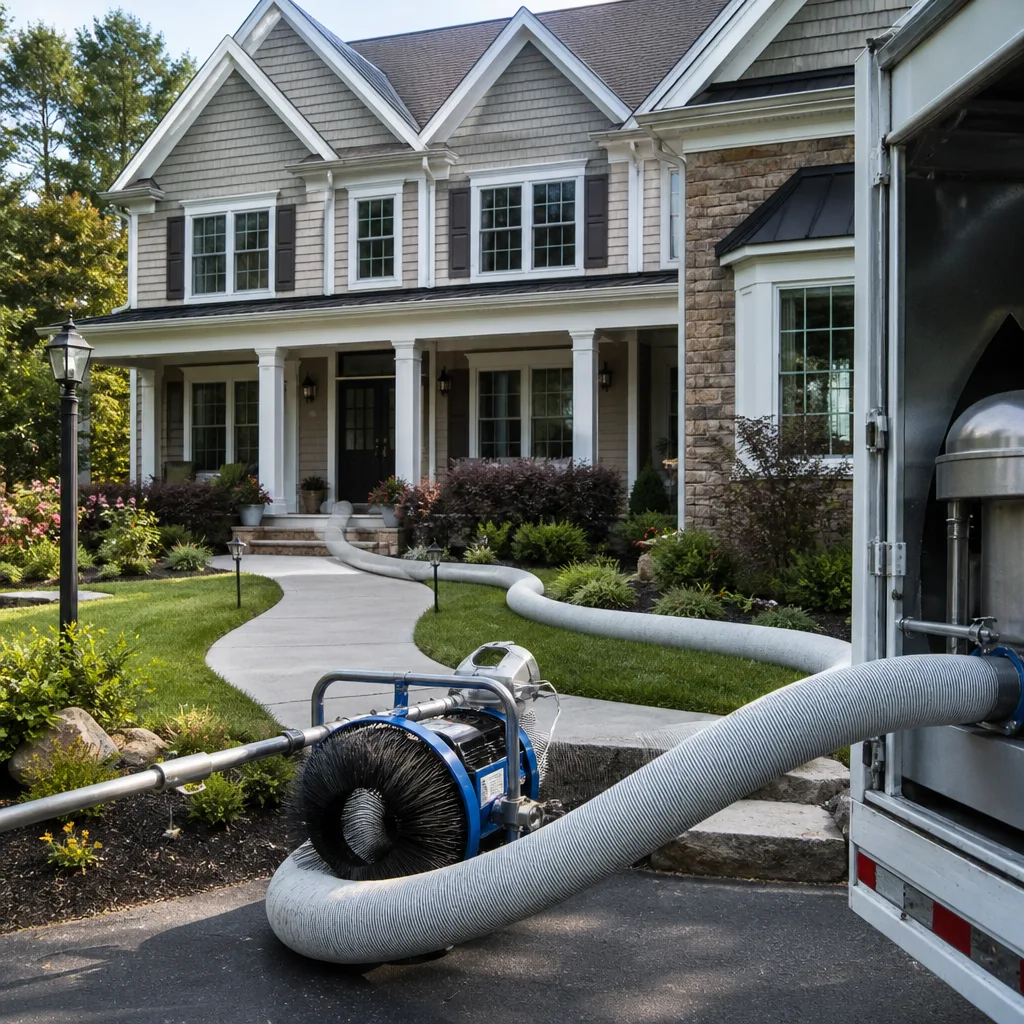 Whole-home duct cleaning
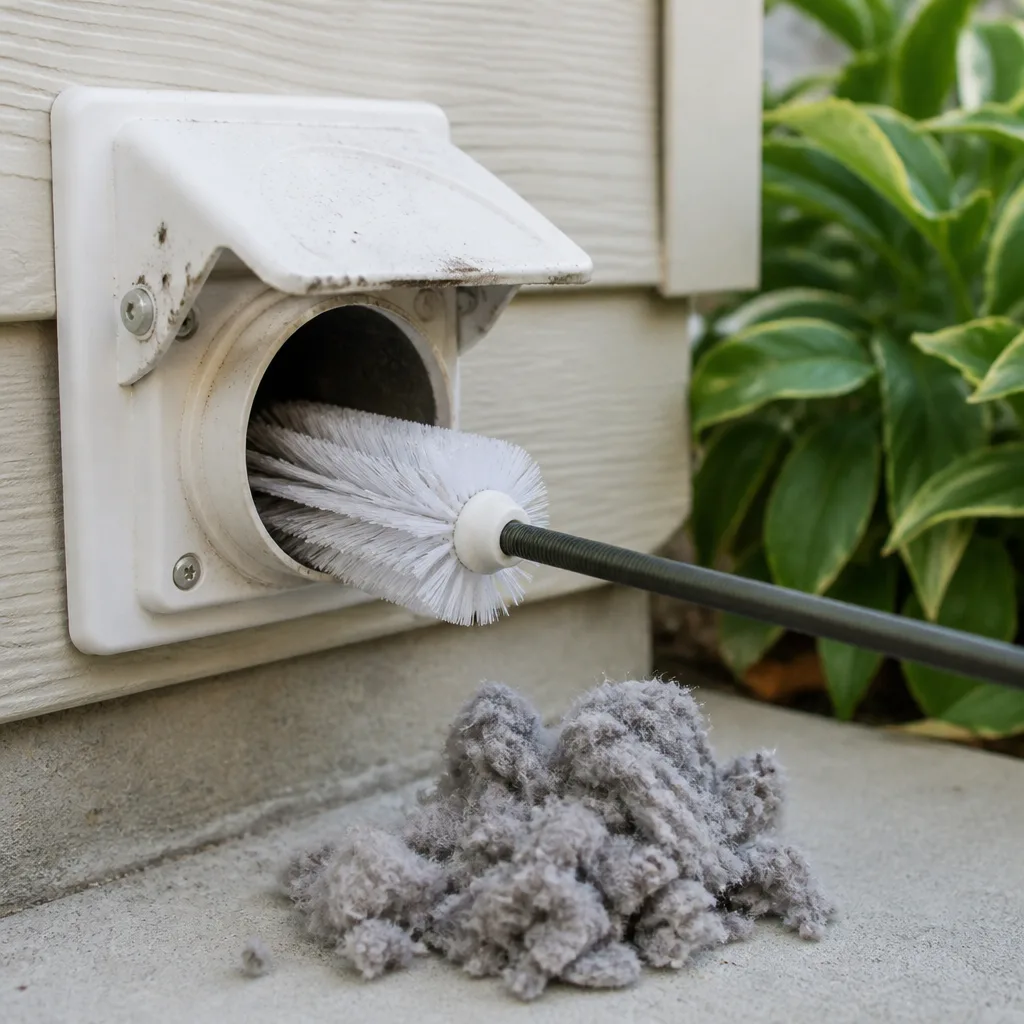 Dryer vent cleaning
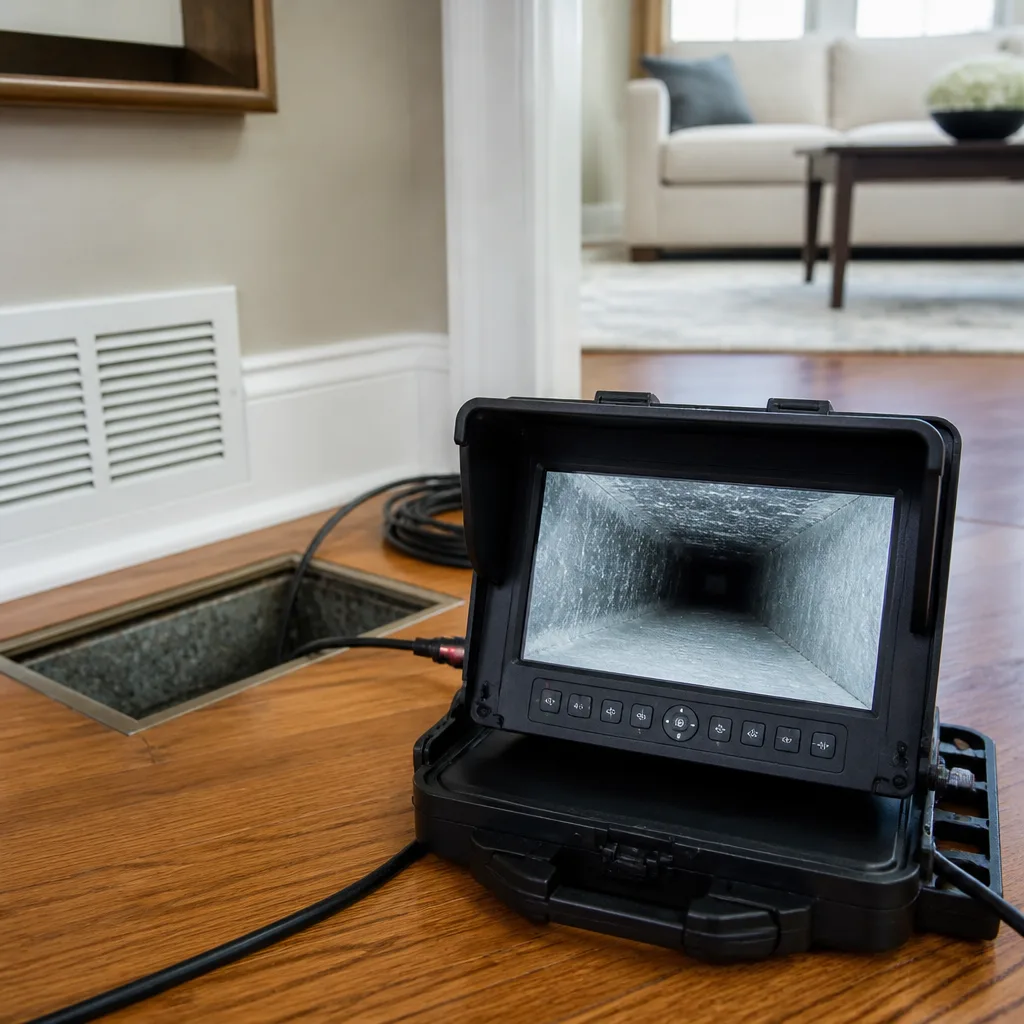 Camera inspection
 Sanitizing & deodorizing
Whole-system duct and dryer vent check with before-and-after photos - you see exactly what came out of your vents
That "$99 whole-house special" is a bait ad - the real number appears once they are in your hallway, or the "clean" is a shop-vac at the register. We photograph the inside of your ducts before and after instead.
Air Duct Cleaning Permits, Codes & Inspections in Arvada, CO: What You Need to Know
No permit is required to clean the inside of your ducts. That part is simple. The confusion starts when a technician pulls a disconnected flex run out of a joist bay and says, “we can seal this while we’re here,” or when you decide to add a UV germicidal light to the air handler yourself. At that point the job has stopped being maintenance and started being a mechanical or electrical modification, and Arvada has rules about that. This guide walks through where the lines actually fall under City of Arvada Building Division jurisdiction and Colorado’s adopted mechanical and energy codes, what triggers an inspection, and which paperwork protects you when an insurer asks questions later.
Quick Answer
Cleaning your air ducts in Arvada does not require a permit, because routine cleaning is classified as maintenance rather than construction. A permit generally becomes necessary when the work alters the duct system itself: new runs, relocated returns, plenum modifications, or equipment that adds an electrical circuit. Simple mastic or metal-tape sealing of an accessible joint usually stays in the maintenance category, but the safe move is always to confirm with the City of Arvada Building Division before work starts on anything structural.
Styles & brands we work with
- Whole-home duct cleaning
- Dryer vent cleaning
- Camera inspection
- Sanitizing & deodorizing
Table of Contents
- What Triggers a Mechanical Permit in Arvada?
- Duct Sealing vs. Plenum Modification: Where the Line Sits
- How UV Germicidal Lights Are Classified Under Colorado Code
- What Code-Compliant Duct Installation Means in Colorado
- When Cleaning Finds Disconnected Flex Duct
- The Certificate of Completion and Why It Matters
- What an Inspection Actually Covers
- Insurance and Title Consequences of Skipped Permits
What Triggers a Mechanical Permit in Arvada?
The City of Arvada Building Division issues permits through Jefferson County’s regional permitting framework, and the mechanical code that governs ductwork is the International Mechanical Code as adopted and amended by Colorado. The code draws a fairly clean distinction between maintenance and installation. Maintenance keeps the system in its existing configuration. Installation changes what is there.
From what we see on a typical Arvada job, these situations almost always require a mechanical permit:
- Adding a new supply or return run to a room that previously had none
- Relocating a return air grille or resizing a return trunk
- Replacing or substantially reconfiguring a plenum at the furnace or air handler
- Installing a new exhaust fan, makeup air unit, or bath fan ducted to the exterior
- Changing the duct system to accommodate a new HVAC unit of different capacity
- Modifying ductwork inside a rated assembly such as a garage separation wall
And these generally do not:
- Cleaning the interior of existing ducts, registers, and grilles
- Replacing a register or grille with a same-size unit
- Re-sealing an accessible joint with mastic or approved tape
- Reconnecting a flex run that slipped off a collar back onto the same collar
- Sanitizing or applying an antimicrobial treatment inside existing ductwork
One wrinkle worth knowing: Arvada has a substantial stock of homes built in the 1950s through 1970s, many with original rigid metal trunk-and-branch systems, and a fair number of those have been retrofitted with flex over the years. Retrofit work done decades ago under a prior owner is not your problem to permit now, but if a cleaning reveals that the retrofit was never done to code, correcting it is.
Duct Sealing vs. Plenum Modification: Where the Line Sits
This is the single most misunderstood question we get from Arvada homeowners, so let’s be precise about it. Sealing a joint that already exists, in place, without changing the duct’s size, location, or routing, is maintenance. You are restoring the system to the performance it was designed for. Mastic and approved foil tape on an accessible joint fall here, and no permit is needed.
Modifying a plenum is a different animal. A plenum is the sheet-metal box that transitions from the furnace or air handler into the trunk line. When you cut into it, add a takeoff, change its dimensions, or rebuild it to accommodate a different unit, you are performing mechanical work. In Arvada that work generally requires a permit and must be done by a licensed mechanical contractor working under that permit.
We’ve seen the confusion play out in a predictable way. A homeowner books a cleaning, the technician finds three or four leaking joints in an accessible crawlspace or attic, and it’s tempting to think of that as a repair. Sealing those joints is a repair. Rebuilding the plenum to fix poor static pressure is construction. Our approach is to separate the two clearly in the written scope so you know exactly which parts of the job carry a permit and which do not.
Here’s the practical test:
- Does the work change the size, shape, or location of anything? If yes, expect a permit.
- Does the work involve cutting into sheet metal that carries conditioned air? If yes, expect a permit.
- Does the work stay inside the existing duct walls and joints? If yes, it’s maintenance.
- Does the work touch electrical, gas, or the furnace cabinet itself? If yes, expect a permit and a licensed trade.
When in doubt, call the Building Division before scheduling. A five-minute phone call saves a real headache at resale. And if you want the full picture of what a cleaning visit actually covers versus what falls outside it, our air duct cleaning service page breaks the scope down step by step.
How UV Germicidal Lights Are Classified Under Colorado Code
UV germicidal light installation is the most common way a homeowner accidentally ends up with unpermitted work. The device itself is a mechanical accessory, but it needs power, and how it gets that power determines what’s required.
Under Colorado’s adopted electrical code, a UV light wired into the existing furnace disconnect or a dedicated circuit inside the air handler is electrical work. In Arvada that means a licensed electrician or licensed mechanical contractor pulling an electrical permit, and an inspection when the work is done. A plug-in UV unit that runs off a standard receptacle is a different story: no new circuit, no electrical modification, and generally no permit. Those two scenarios look similar on paper and are treated very differently by the code.
The homeowner-DIY angle deserves a plain warning. Installing a UV lamp inside an air handler means opening a cabinet that contains line-voltage wiring, a blower motor, and often a gas burner assembly on the other side of the partition. That’s not a weekend project, and it’s not something we’d ever recommend attempting. We work with Honeywell and Aprilaire IAQ equipment regularly, and part of what we do is help homeowners figure out which category their situation falls into before anyone touches a screwdriver.
The classification breaks down like this:
- Plug-in air purifier in a room: no permit, no electrical work
- UV unit plugged into an existing receptacle near the air handler: typically no permit
- UV unit hardwired into the furnace cabinet or a new circuit: electrical permit and inspection
- UV unit integrated with a new or replacement air handler: covered by the mechanical permit for that installation
Arvada’s dry summers and cold, dry winters mean indoor humidity swings a lot, and homeowners often ask about UV in the same breath as humidification. The two are separate systems with separate code treatment. Ask about them separately.
What Code-Compliant Duct Installation Means in Colorado
Colorado has adopted the International Energy Conservation Code alongside the International Mechanical Code, and together they define what a properly installed duct system looks like. This matters for cleaning because a system that was never code-compliant to begin with tends to have the problems we get called about: dust that returns, weak airflow to far rooms, and condensation in the wrong places.
The key requirements that show up in residential ductwork:
- All joints sealed. Longitudinal seams, transverse joints, and connections to boots, plenums, and equipment all have to be sealed with mastic, approved tape, or both. Flex duct has to be sealed at the collar and supported at intervals.
- Support and sag limits. Flex duct has maximum sag and support spacing requirements, and a run that sags between hangers restricts airflow and collects debris.
- Insulation values in unconditioned space. Ducts running through an Arvada attic or vented crawlspace have to be insulated to a code minimum. Bare flex in an attic sweats in summer and loses heat in winter.
- Duct leakage limits. Colorado’s adopted energy code sets limits on how much a duct system can leak, tested under specified conditions. This is where a lot of older Arvada homes fall short.
- Return air pathways. Returns have to be sized and configured so the system can pull the air the supply side delivers.
What does this mean in practice? When we open up a system in an Arvada home and find bare, sagging flex with slip-fit joints, we’re not looking at a cleaning problem. We’re looking at an installation that wouldn’t pass a modern inspection. Sealing those joints is within reach during a cleaning visit. Re-routing and re-insulating the whole system is a different scope with a different permit picture.
For systems that also need the air handler and coil cleaned, our HVAC cleaning page covers how that work pairs with duct cleaning in a single visit.
When Cleaning Finds Disconnected Flex Duct
A disconnected flex run is one of the most common findings in Arvada homes, particularly in attics where summer heat cycles the duct material and in crawlspaces where the run has been disturbed by other trades. It’s also one of the findings that creates the most confusion about permits.
The short answer: reconnecting a flex duct that has slipped off its collar back onto the same collar, in the same location, with proper sealing and support, is repair and does not require a permit. The complication arises when the reconnect requires rerouting the run, adding a length of duct, changing the takeoff, or altering the boot. That’s modification and it triggers the permit question.
There’s a second complication that’s less obvious: liability. A disconnected return in a garage-adjacent wall, or a supply run that’s been blowing into an attic instead of a room, can carry air quality and moisture implications that weren’t there when the system was closed. If a subsequent problem arises, the question of whether the ductwork was properly permitted and inspected becomes part of the picture in a way it wouldn’t have been otherwise.
We use Rotobrush mechanical agitation with Abatement Technologies HEPA-filtered source-removal vacuums specifically because that equipment lets us see what the system looks like once it’s clean. The camera run and the vacuum hose find disconnected runs that a blow-and-go cleaning never surfaces. Source removal captures the dislodged debris and pulls it out of the house rather than recirculating it.
What a proper repair sequence looks like when we find a disconnect:
- Confirm the run is fully disconnected rather than just leaking at the collar
- Inspect the collar, the flex, and the boot for damage
- Reconnect and seal with mastic or approved tape, using proper inner-liner attachment
- Support the run at code intervals with no sag beyond limits
- Re-test airflow at the register after the seal cures
- Document the finding and the fix with photos for your records
If any step beyond the seal is required, that’s when we flag the permit question and recommend the homeowner confirm with the Building Division.
The Certificate of Completion and Why It Matters
A certificate of completion is a written record that describes the work performed, the materials used, and the date. On a permitted project it’s typically issued by the licensed contractor after the work passes final inspection. On a non-permitted maintenance job it’s a document you request from the contractor, and a good one will provide it as a matter of course.
Why it matters for Arvada homeowners:
- Insurance claims. If you ever file a water damage, mold, or fire claim and the adjuster asks about the condition of the HVAC system, a certificate showing when it was last cleaned and what was found is a clean, dated record.
- Restoration work. After a fire or water loss, restoration contractors document the duct system. If you’ve had cleaning and sealing done and can produce the certificate, the picture is coherent.
- Resale disclosure. Colorado requires sellers to disclose known material defects. A certificate showing that a duct issue was found and corrected is proof the issue was resolved, not buried.
- Permit history. If a permitted aspect of the work was done, the certificate ties the work to the permit and the inspection. That’s a clean paper trail.
- Warranty support. Some HVAC equipment warranties require documented maintenance. A dated certificate supports that record.
Ask for the certificate before the technician leaves, not after. It should list what was cleaned, what was sealed or repaired, what materials were used, and any findings you declined to address. A contractor who hesitates on that request is telling you something.
What an Inspection Actually Covers
If a permit is required, a building inspector will visit, and it helps to know what they’re looking at. Arvada’s mechanical inspections are typically scheduled through the county’s permitting system and happen at defined stages.
The inspector’s focus is on the installation itself: whether the duct material and gauges meet code, whether joints are sealed, whether the system is supported properly, whether the clearances around the furnace and flue are intact, and whether the installation matches what the permit drawings describe. If electrical work is part of the scope, a separate electrical inspection covers the circuit, the disconnect, and the bonding.
What the inspector does not typically do is evaluate duct cleanliness or air quality. That’s outside their scope. A passed final inspection means the installation is code-compliant, not that the system is clean. Those are two different jobs, and only one of them involves a permit.
In our experience on Arvada jobs, the inspection most often gets delayed by two things: unsealed joints the technician forgot to finish, and flex duct that’s sagging between supports. Both are easy to fix before the inspection rather than after.
Insurance and Title Consequences of Skipped Permits
Unpermitted mechanical work has a habit of surfacing at the least convenient moment. The two places it shows up most are insurance claims and title disclosures.
On the insurance side, most homeowner policies don’t exclude a loss because of an unpermitted improvement in the abstract, but a loss caused by work that wasn’t permitted and wasn’t inspected can become a coverage dispute. If a plenum modification failed and caused water damage, and the modification was never permitted, the adjuster will ask whether the work was done to code. Without a permit and inspection record, that question is harder to answer cleanly.
On the title side, unpermitted work in Colorado isn’t usually a blocker to closing, but it can become a negotiating point. A buyer’s inspector who notes an unsealed plenum or a non-compliant duct run will often flag it, and the seller ends up funding a correction that could have cost far less as part of a routine cleaning visit. Putting the fix in as sealing during a cleaning, before the issue becomes a disclosure item, is a much better outcome for everyone.
There’s a third angle worth mentioning: any HVAC work that touched gas piping or the flue carries an additional safety layer. Those systems are genuinely hazardous, and a permit and inspection exist partly because carbon monoxide is a real risk when a flue is disturbed. We never recommend a homeowner attempt that work, and the licensed professionals we connect you with will always pull the permit when one is required.
If you’re already in the middle of a sale and want the current state of the ducts documented before your buyer’s inspector arrives, the fastest route is a cleaning and inspection visit. Start with Arvada Air Duct Cleaning Pros to get the scope set.
Common Mistakes to Avoid
- Assuming a cleaning visit includes repairs. It may, if the repair is minor sealing, but a plenum rebuild is a separate scope with a separate cost and a likely permit. Know which side the work falls on before approving it.
- Letting a technician rebuild a plenum without verifying the license. In Arvada, plenum modification is mechanical work that must be done under a permit by a licensed mechanical contractor. Ask for the license before the work starts, not after.
- Wiring a UV light into the furnace cabinet yourself. That’s electrical work inside a cabinet with line voltage and often a gas burner. It requires a permit and a licensed trade. A plug-in unit is a different and safer category.
- Reconnecting flex duct into a sagging, unsupported run. A reconnect that leaves the run sagging below code support limits may fail inspection and will restrict airflow anyway. The reconnect and the re-support are one job.
- Not asking for a certificate of completion. A one-page written record of what was found and what was fixed is your cleanest evidence at claim time. Contractors who don’t provide it leave you relying on memory.
- Treating an unsealed joint in an Arvada attic as a small thing. Attic duct runs see big temperature swings, and a leaking joint there loses conditioned air at a higher rate than the same joint in a conditioned space. Seal it when you find it.
- Assuming the inspector evaluated air quality. A passed mechanical inspection confirms the installation meets code. It does not confirm the ducts are clean. Those are two separate visits with two separate purposes.
See the difference
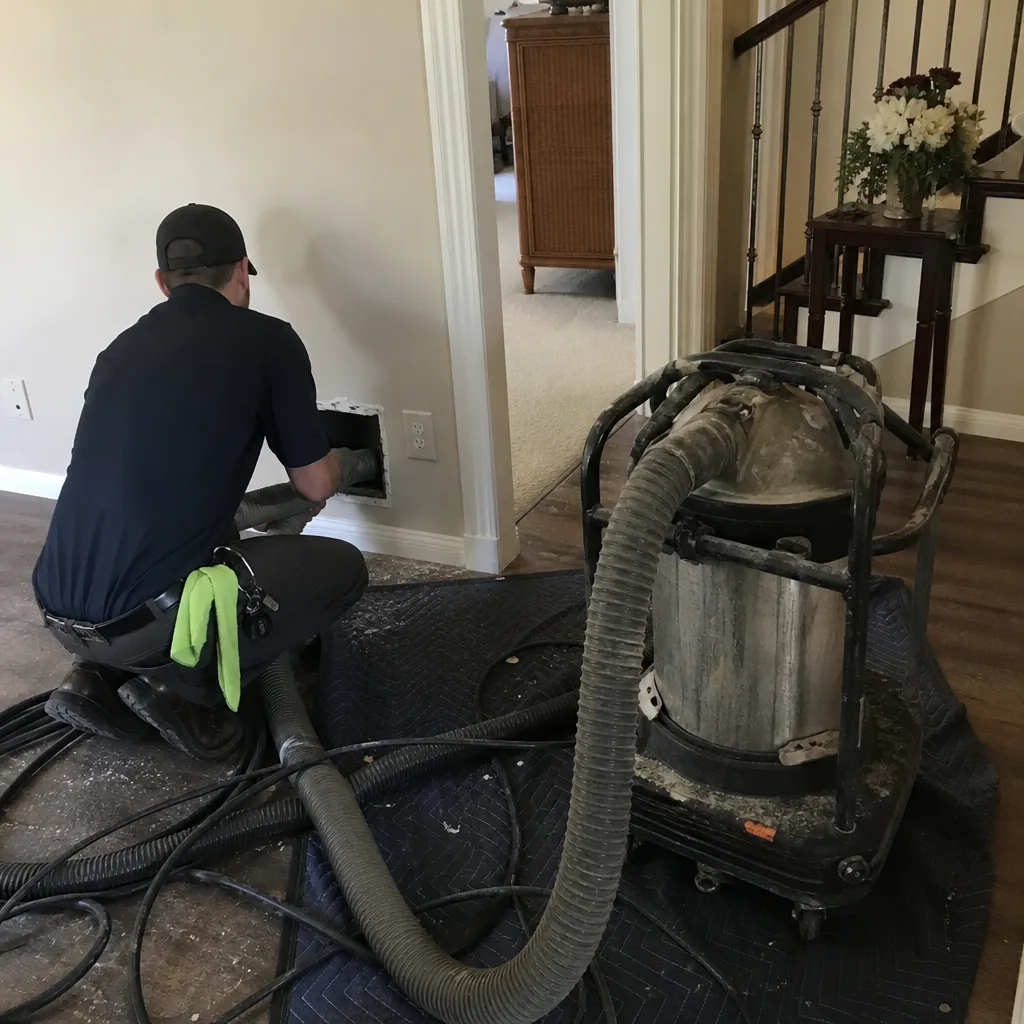 Before
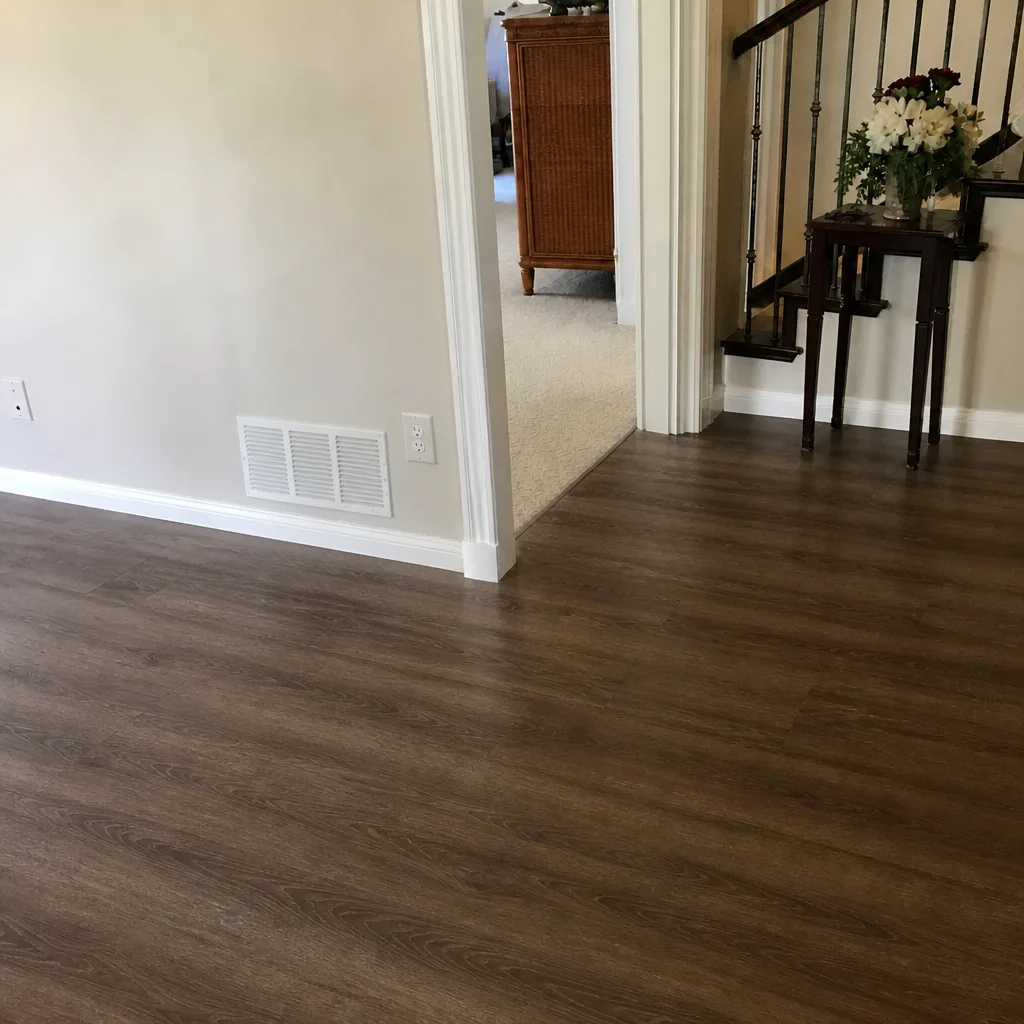 After
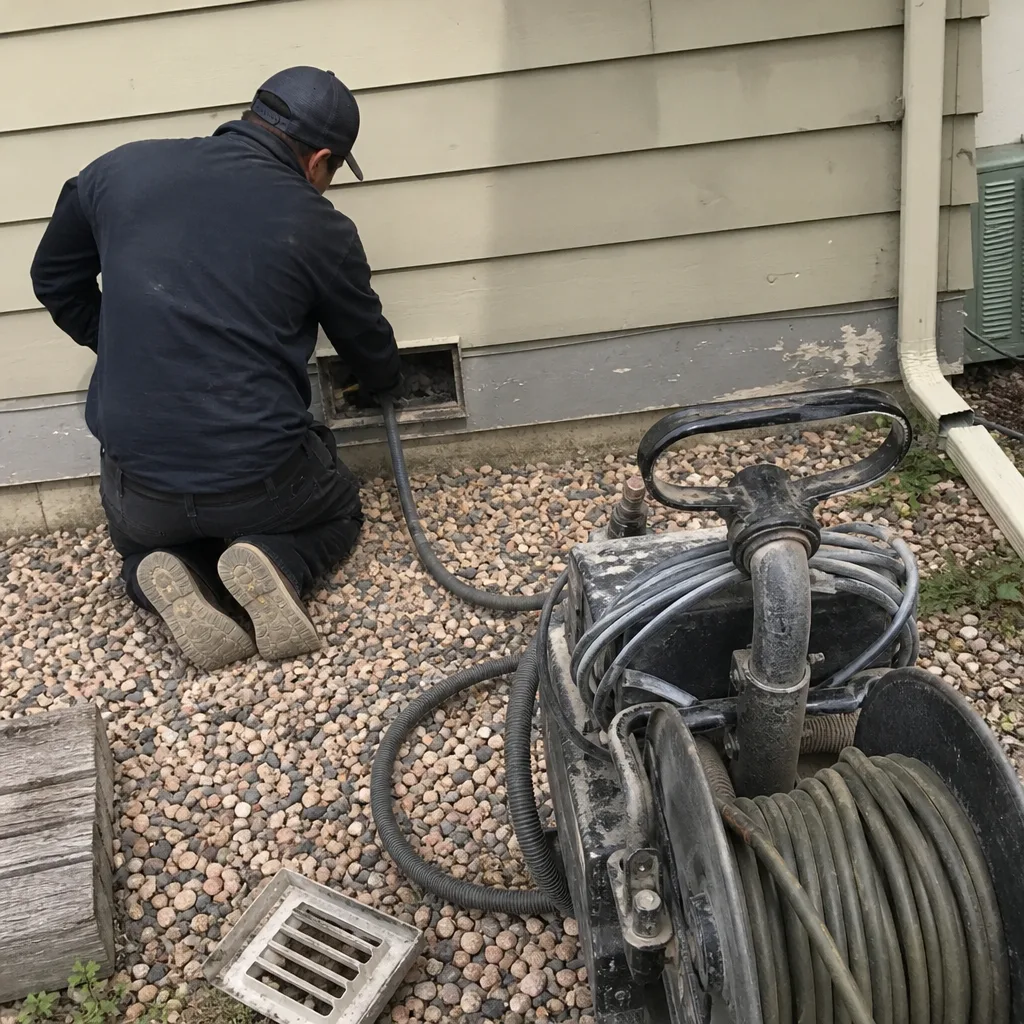 Before
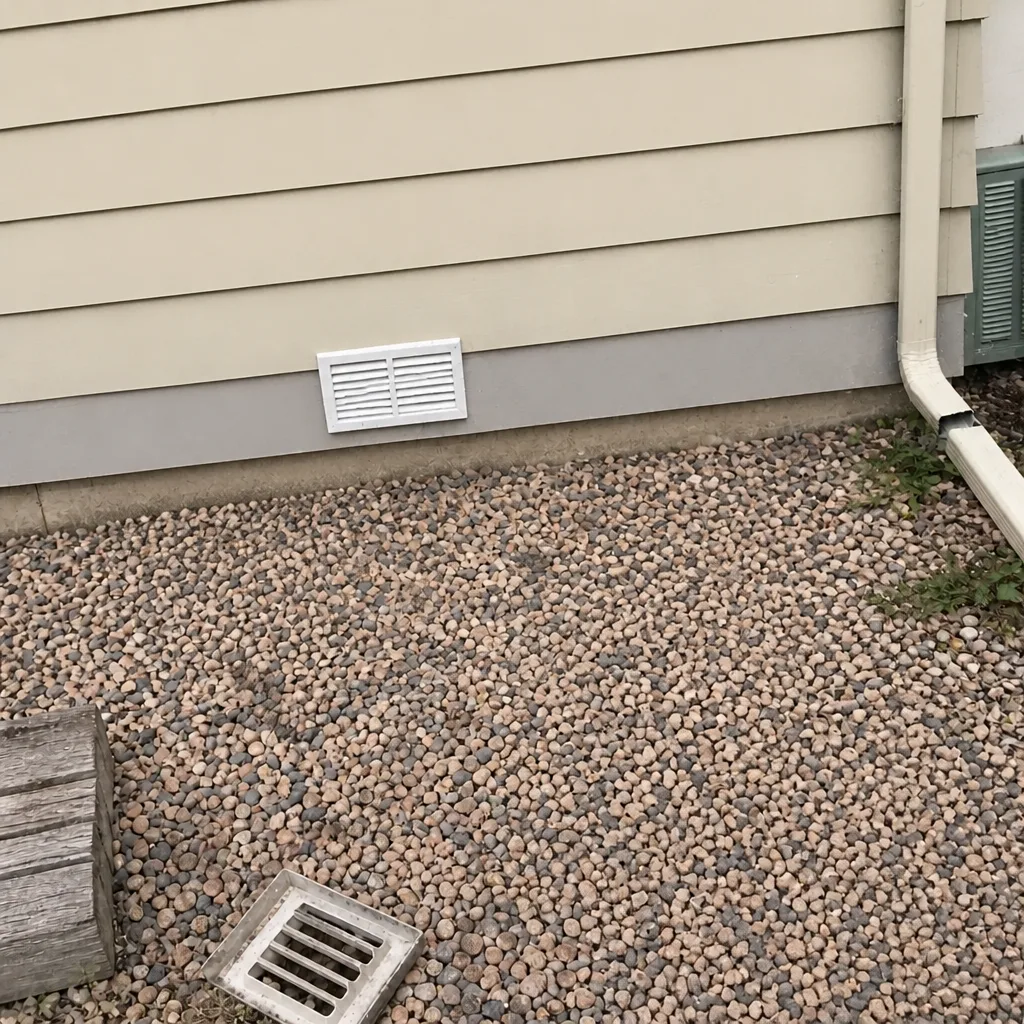 After
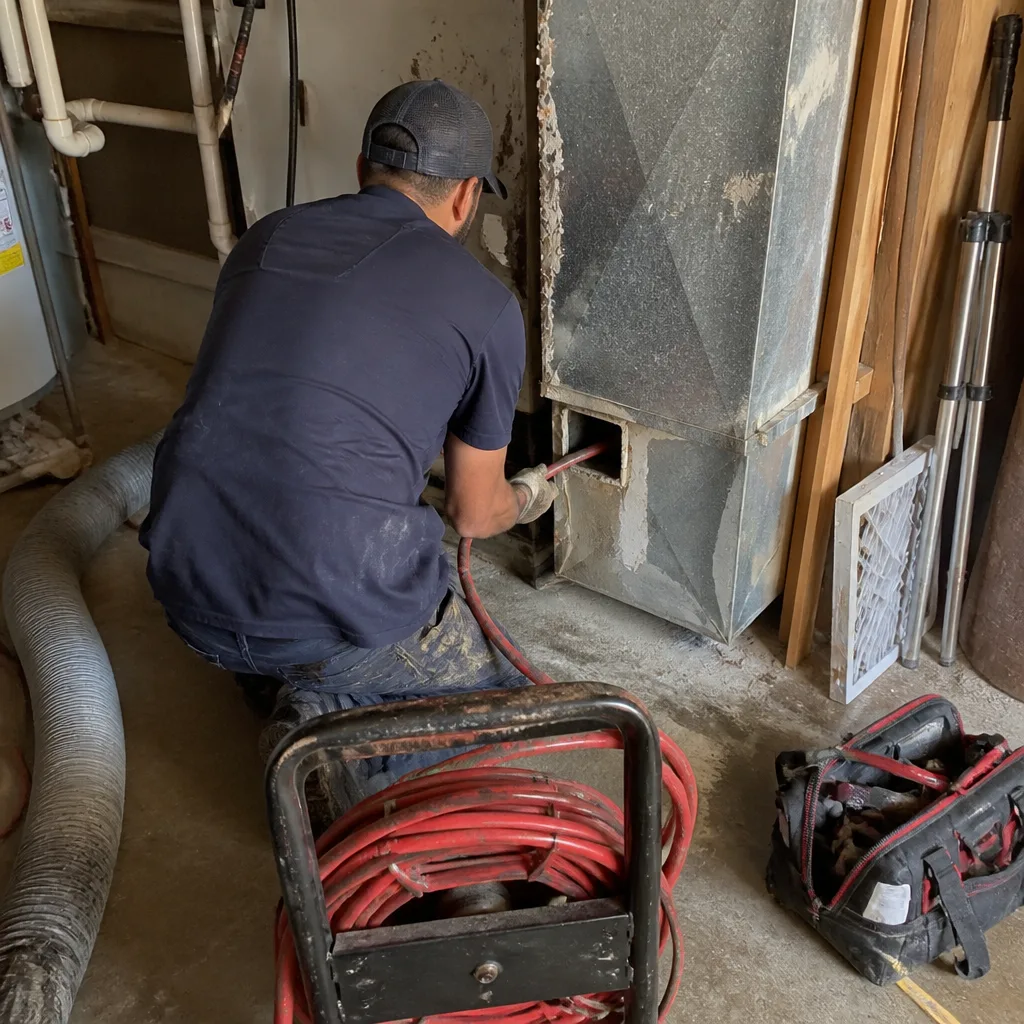 Before
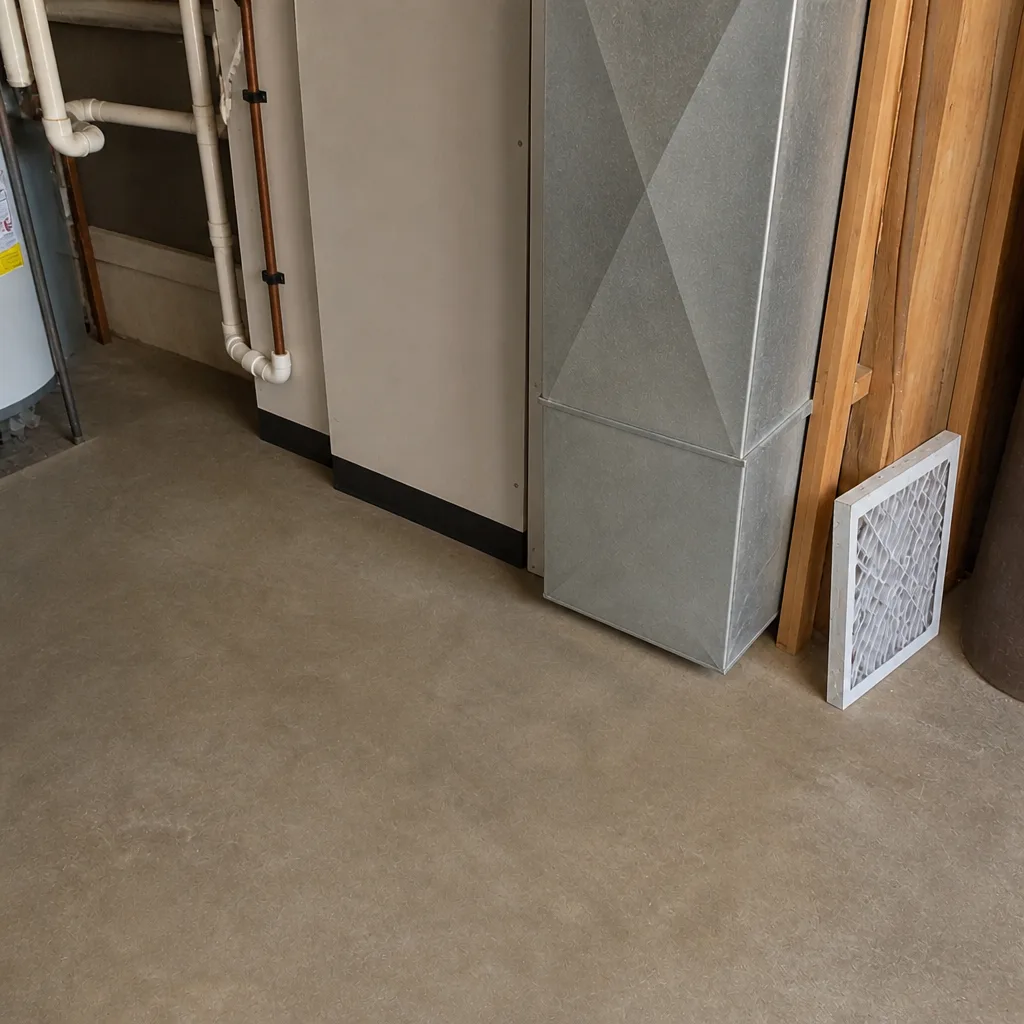 After
When to Call a Professional
Call a professional when a cleaning visit turns up a problem you can’t safely evaluate: a disconnected flex run you can see but can’t confirm is correctly sealed, a plenum that’s leaking at a seam you can’t reach, a UV installation that needs hardwiring, or any work that touches the gas side of the furnace. Call when you’re preparing to sell and want the duct system documented. Call when a restoration project has disturbed the ducts and you need the post-restoration cleaning and sealing documented. And call when you’re not sure whether a proposed repair crosses into permitted territory and you’d rather a professional help you sort it before the permit becomes an issue. Arvada Air Duct Cleaning Pros offers free estimates in Arvada and can walk through the scope of a cleaning visit alongside any repair or sealing the system needs. Call (866) 623-9426. We answer 24/7. Fast dispatch from 7am to 7pm, Sunday through Friday.
If the system also has a dryer vent or appliance venting concern, dryer vent cleaning is part of the same visit and the same code picture.
Frequently Asked Questions
No. Routine cleaning of existing ducts, registers, and grilles is classified as maintenance and does not require a permit from the City of Arvada Building Division. A permit only becomes a question when the work changes the duct system itself, such as a new run, a relocated return, or a plenum modification. If a cleaning visit turns up a repair scope, ask the contractor to spell out which parts are maintenance and which parts would need a permit.
Usually not, if the joint already exists and the seal is applied in place without changing the duct’s size, location, or routing. Sealing with mastic or approved tape is maintenance. Rebuilding a plenum, adding a takeoff, or changing a duct’s configuration is mechanical work that generally requires a permit. Confirm with the Building Division if you’re unsure which side your repair falls on, and call (866) 623-9426 for a free estimate on the sealing side.
That depends on how it’s wired. A plug-in UV unit that runs off an existing receptacle typically doesn’t require a permit. A unit hardwired into the furnace cabinet or connected to a new circuit requires an electrical permit and a licensed electrician or mechanical contractor working under that permit. We never recommend attempting the hardwired version as a DIY project given the line-voltage wiring and potential gas assembly inside the air handler. Call (866) 623-9426 to talk through which category fits your system.
Reconnecting a flex run that has slipped off its collar, in the same location with proper sealing and support, is repair and does not require a permit. If the reconnect needs a reroute, added length, or a boot change, that’s modification and typically requires a permit. We document the finding with photos either way and separate the sealing scope from any permitted scope in the written estimate. Call (866) 623-9426 for a free estimate.
A certificate of completion is a dated written record of what was cleaned, what was sealed or repaired, and what materials were used. It supports insurance claims, restoration documentation, and resale disclosures, and it’s a clean paper trail if a future owner asks what was done. Ask for it before the technician leaves. If a contractor won’t provide one, that’s worth noting. Call (866) 623-9426 to schedule an estimate and to confirm what documentation comes with the visit.
Arvada’s swing between dry, hot summers and cold winters puts attic and crawlspace duct runs through significant temperature cycling, which stresses joints and flex material over time. That’s one reason sealing is worth doing at the same visit as a cleaning. Combined with the age of much of Arvada’s housing stock, the retrofit and disconnected-duct findings we see are more common here than in newer builds. Call (866) 623-9426 for a free estimate and we’ll walk through what your system needs.
The Bottom Line
Air duct cleaning in Arvada is maintenance and doesn’t need a permit. The permit question arrives with the work that changes the system: plenum rebuilds, new or relocated runs, hardwired UV lights, and any modification to duct configuration. Sealing an existing joint, reconnecting a slipped flex run in place, and applying an antimicrobial treatment are all maintenance. Separating the two in the written scope is the whole job, and a certificate of completion is the document that protects you at claim time. Confirm permit thresholds with the City of Arvada Building Division before any structural work, and if you’d rather have a professional evaluate the system first, call (866) 623-9426 for a free estimate.
Written by the team at Arvada Air Duct Cleaning Pros.